Weathering the Storms: Protecting Romney Marsh's Historic Churches
Recent storms across the UK have provided a timely reminder of the destructive power of the elements. For the medieval churches of Romney Marsh, exposed to centuries of wind, rain, flooding and shifting ground, the challenges of maintaining these remarkable buildings are ongoing. The churches survive today thanks to the generous support of our members, donors and volunteers.

Standing across the flat, open landscape of Romney Marsh, our historic churches have weathered hundreds of years of storms and changing environmental conditions. Some have survived for almost a thousand years, bearing witness to dramatic changes in the coastline and the reclamation of land from the sea.
Yet their survival cannot be taken for granted. Their exposed locations, ageing materials and unstable ground make them particularly vulnerable, requiring ongoing maintenance, specialist conservation work and substantial financial support.
A history shaped by storms
The history of Romney Marsh is inseparable from the sea. Much of the land was once tidal salt marsh, gradually reclaimed through the construction of embankments, drainage channels and sea walls. Many churches were built on raised ground or artificial mounds to protect them from flooding.
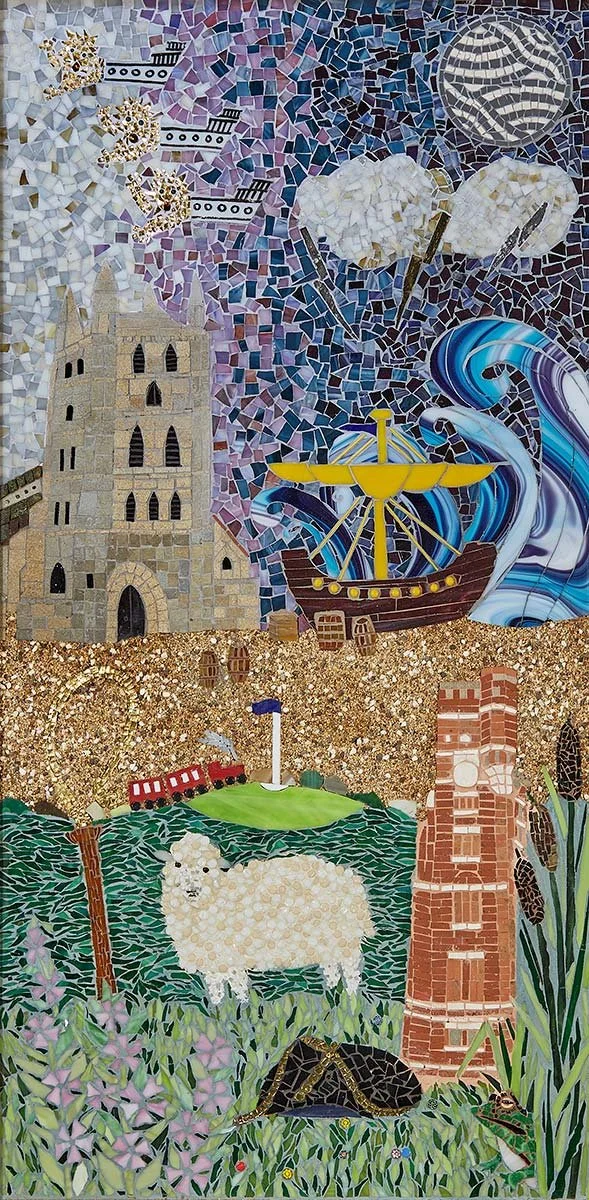
Perhaps the most dramatic example is the Great Storm of 1287, which devastated the medieval port of New Romney. Enormous quantities of sand, mud and shingle choked the harbour, while the River Rother changed course, contributing to the town's eventual decline as a major trading port.
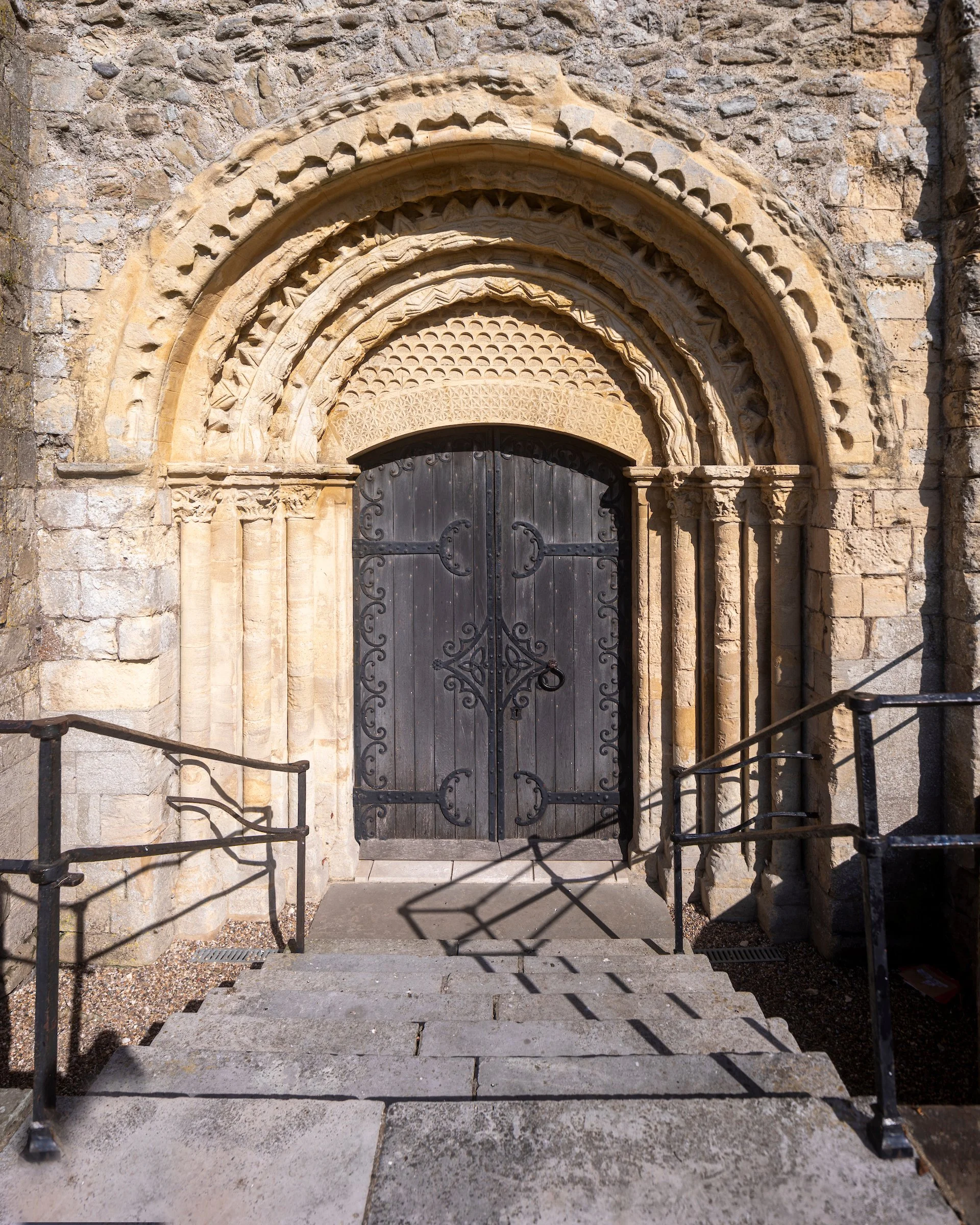
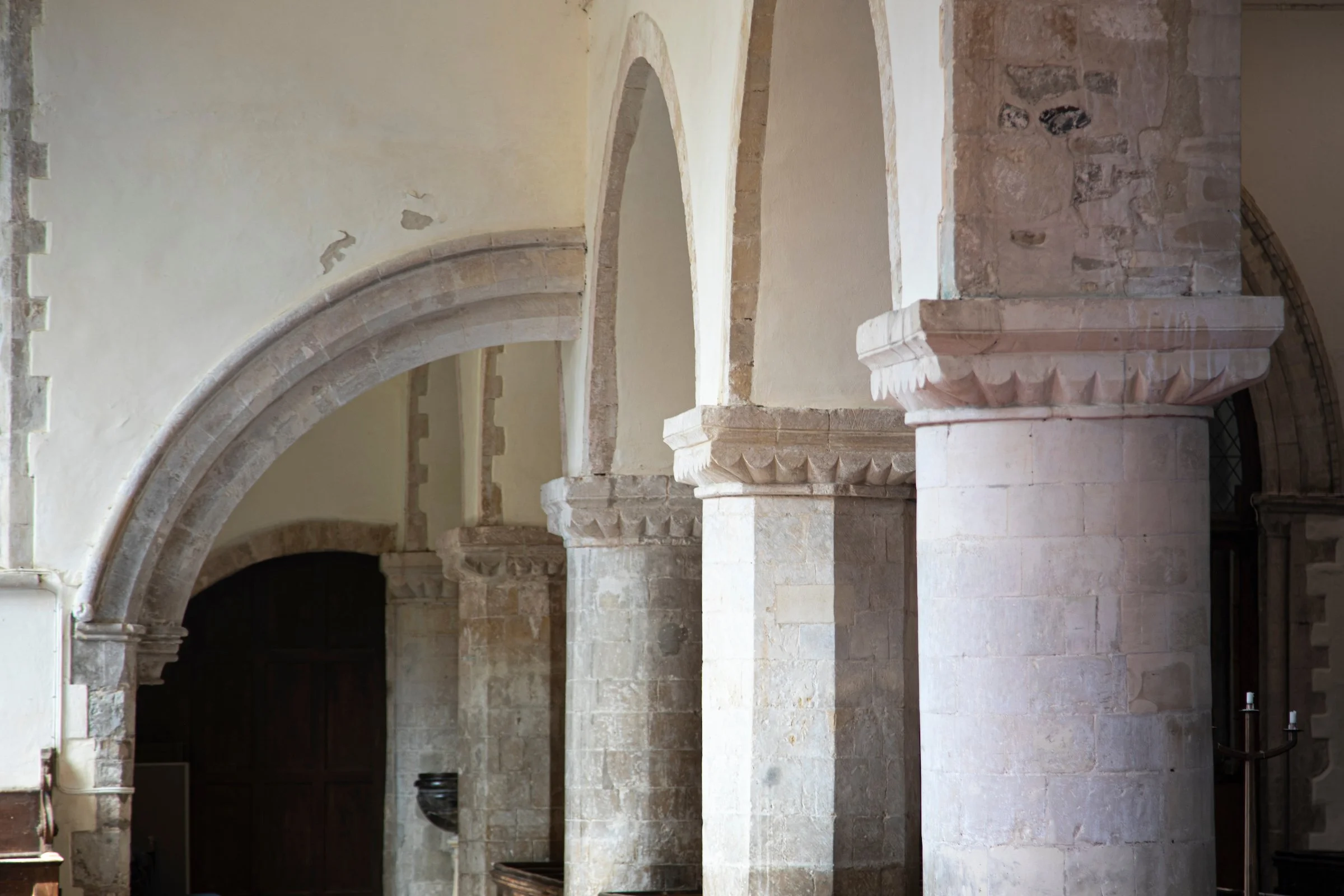
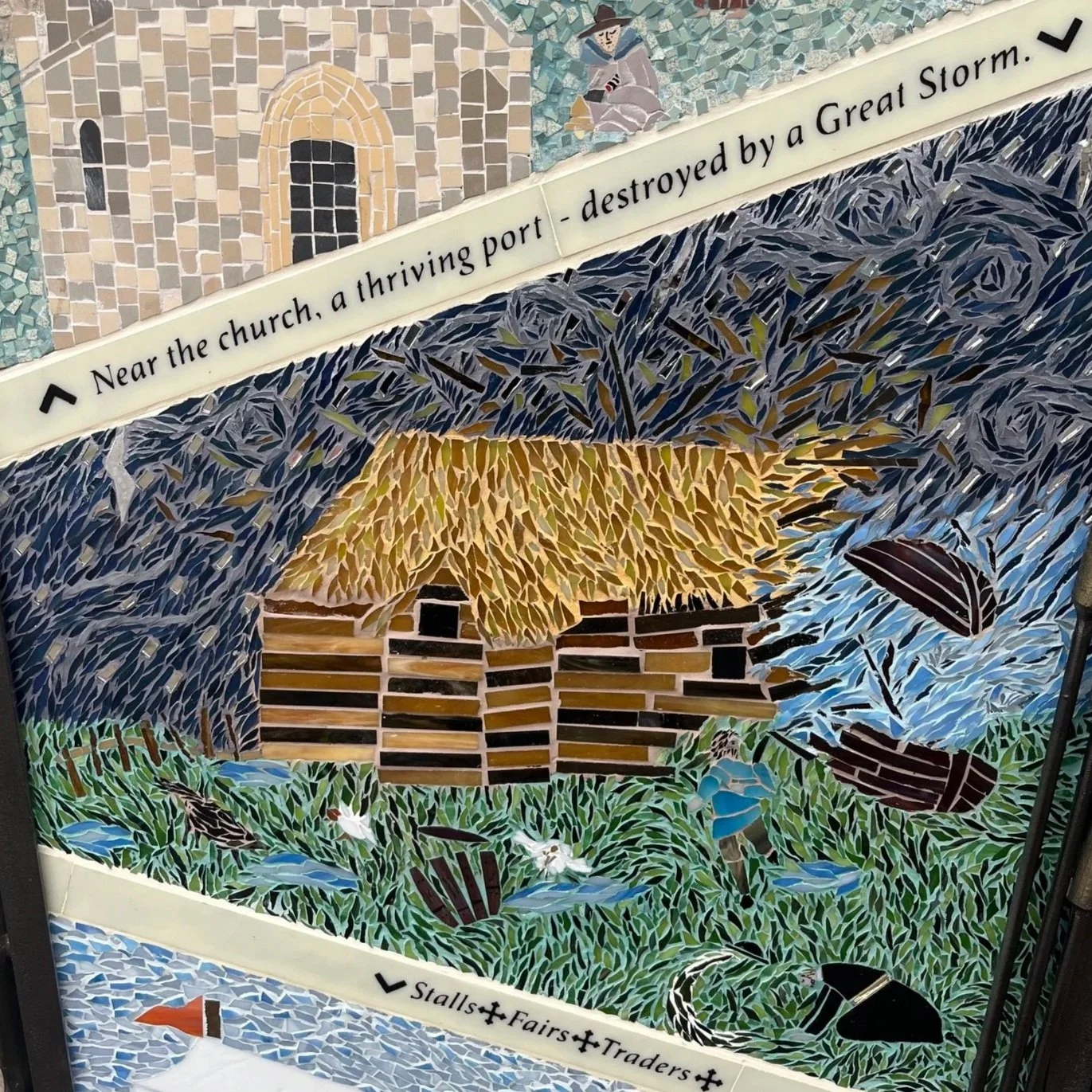
At St. Nicholas' Church in New Romney, the effects can still be seen today. Visitors must descend steps to enter the building because of the raised surrounding ground level, while historic flood marks remain visible on some of the pillars.
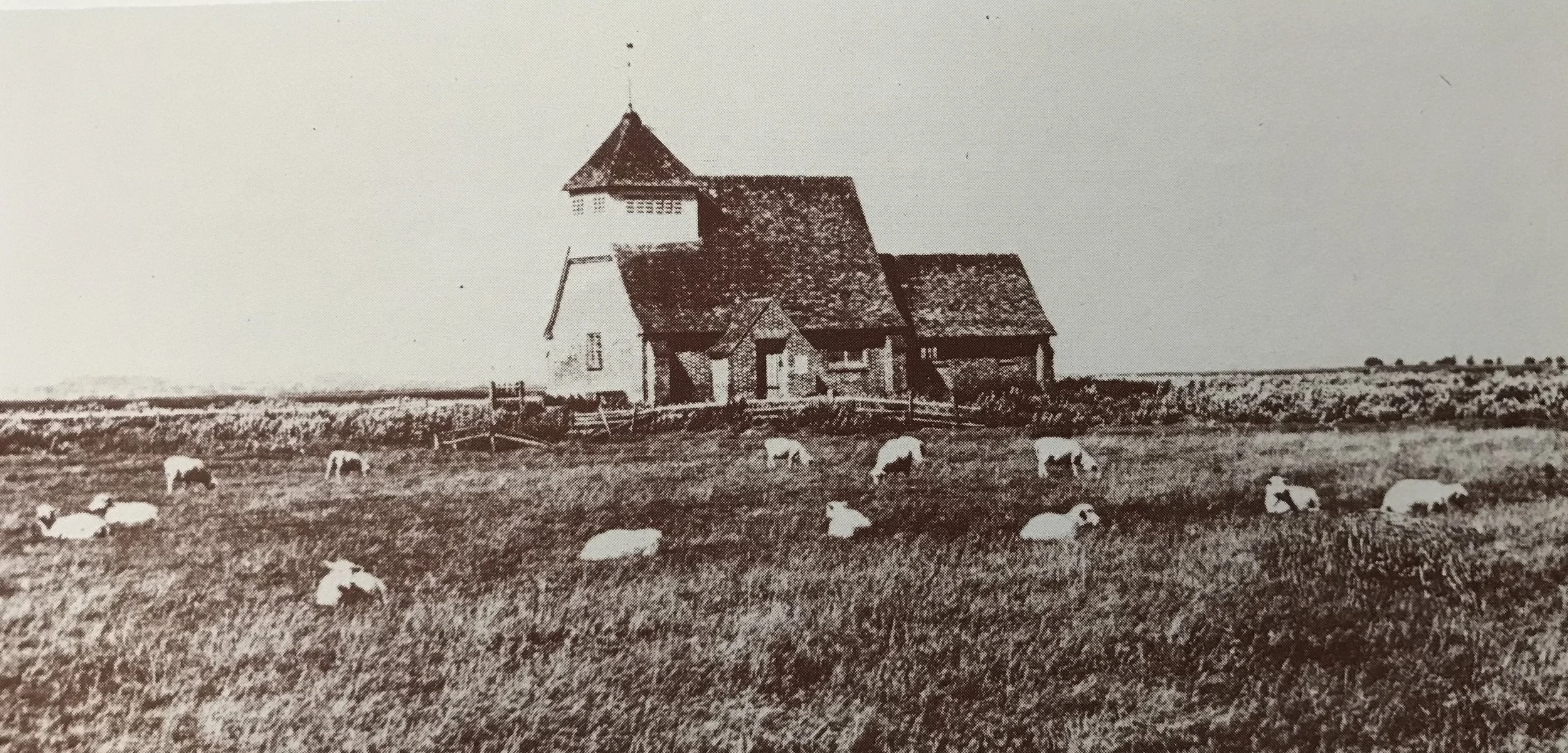
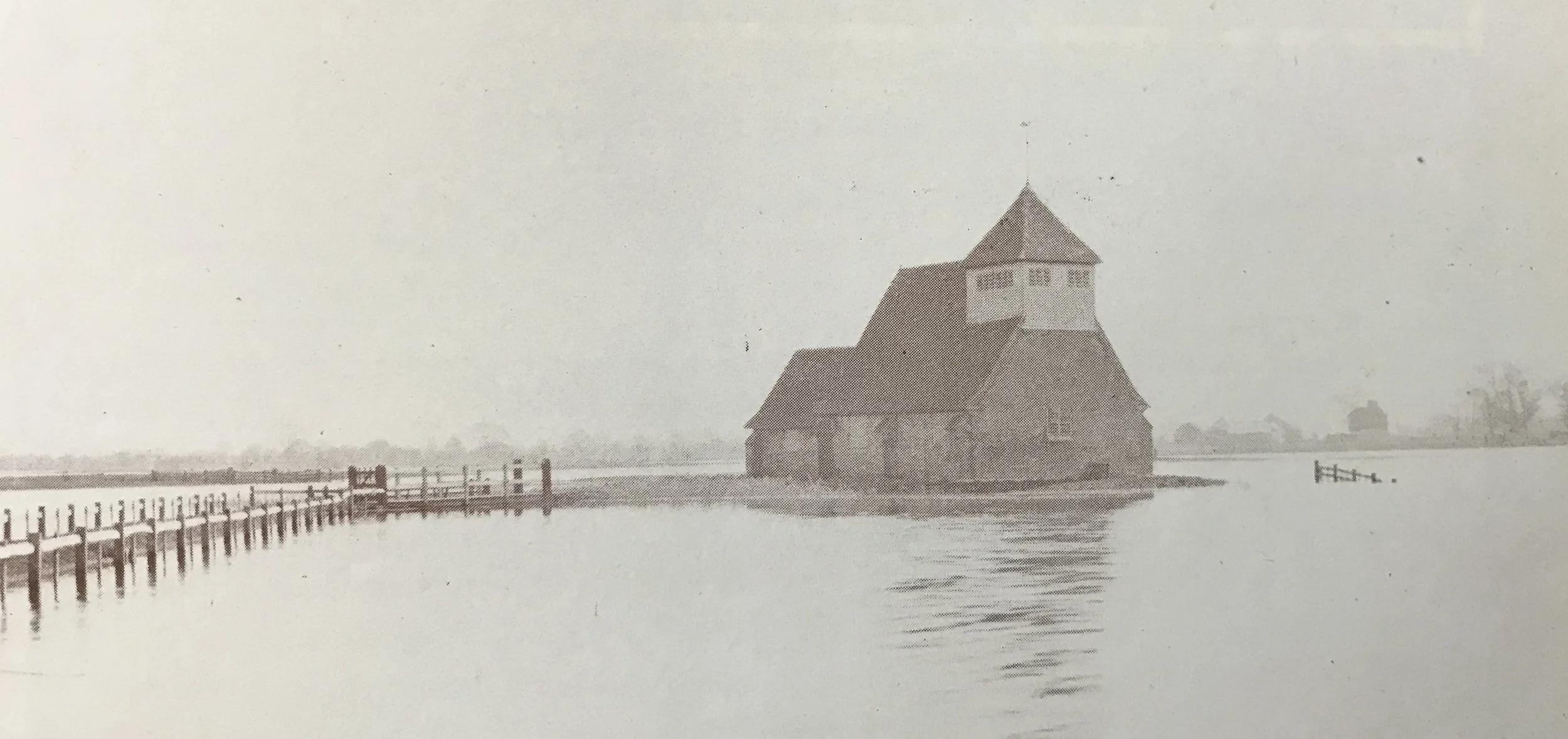
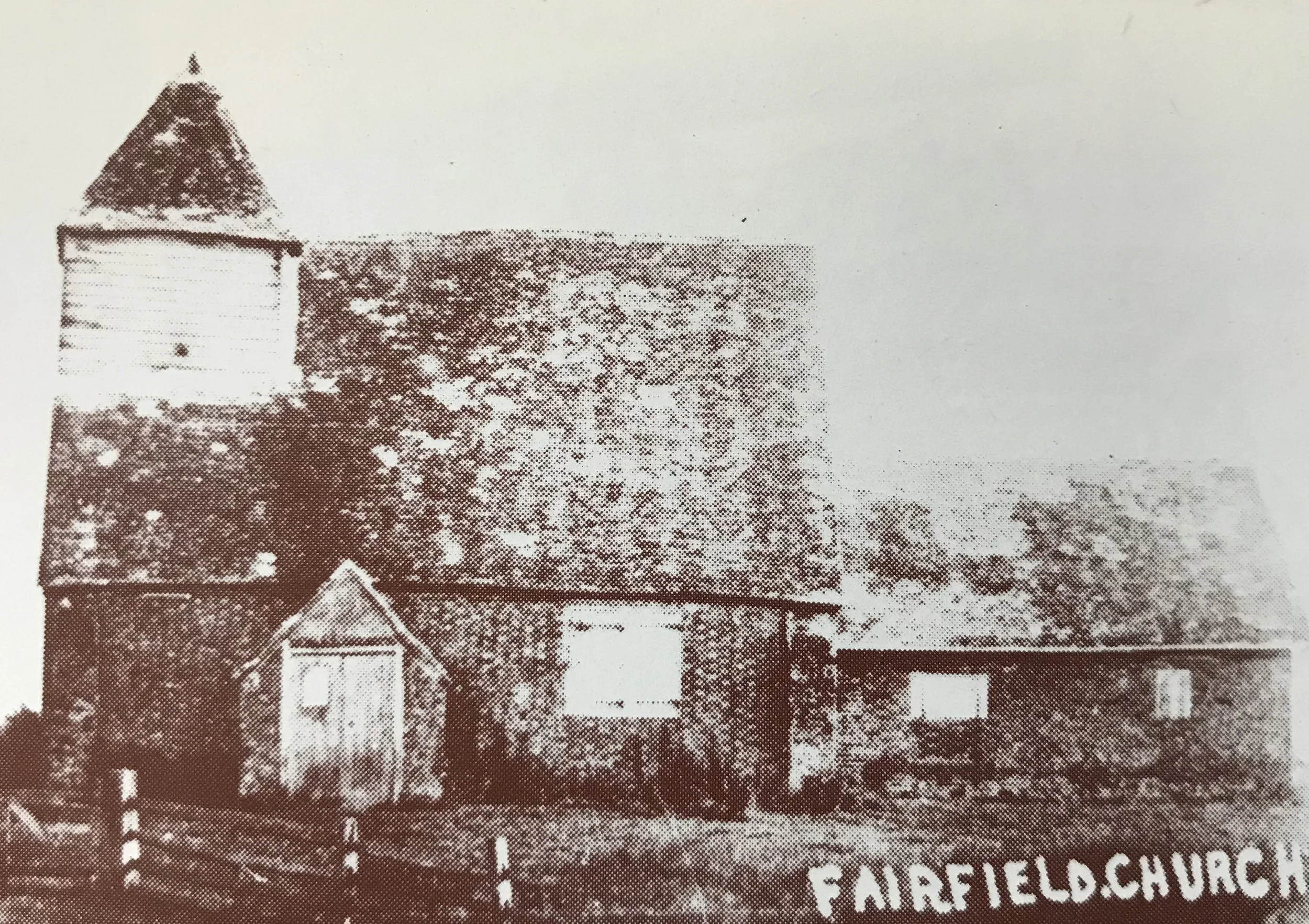
Elsewhere, the challenges posed by water and unstable ground are equally evident. At Fairfield, St. Thomas Becket's Church was historically surrounded by floodwater for much of the winter, sometimes accessible only by boat. Damp conditions contributed to its deterioration, and the building required extensive reconstruction in 1912–13.
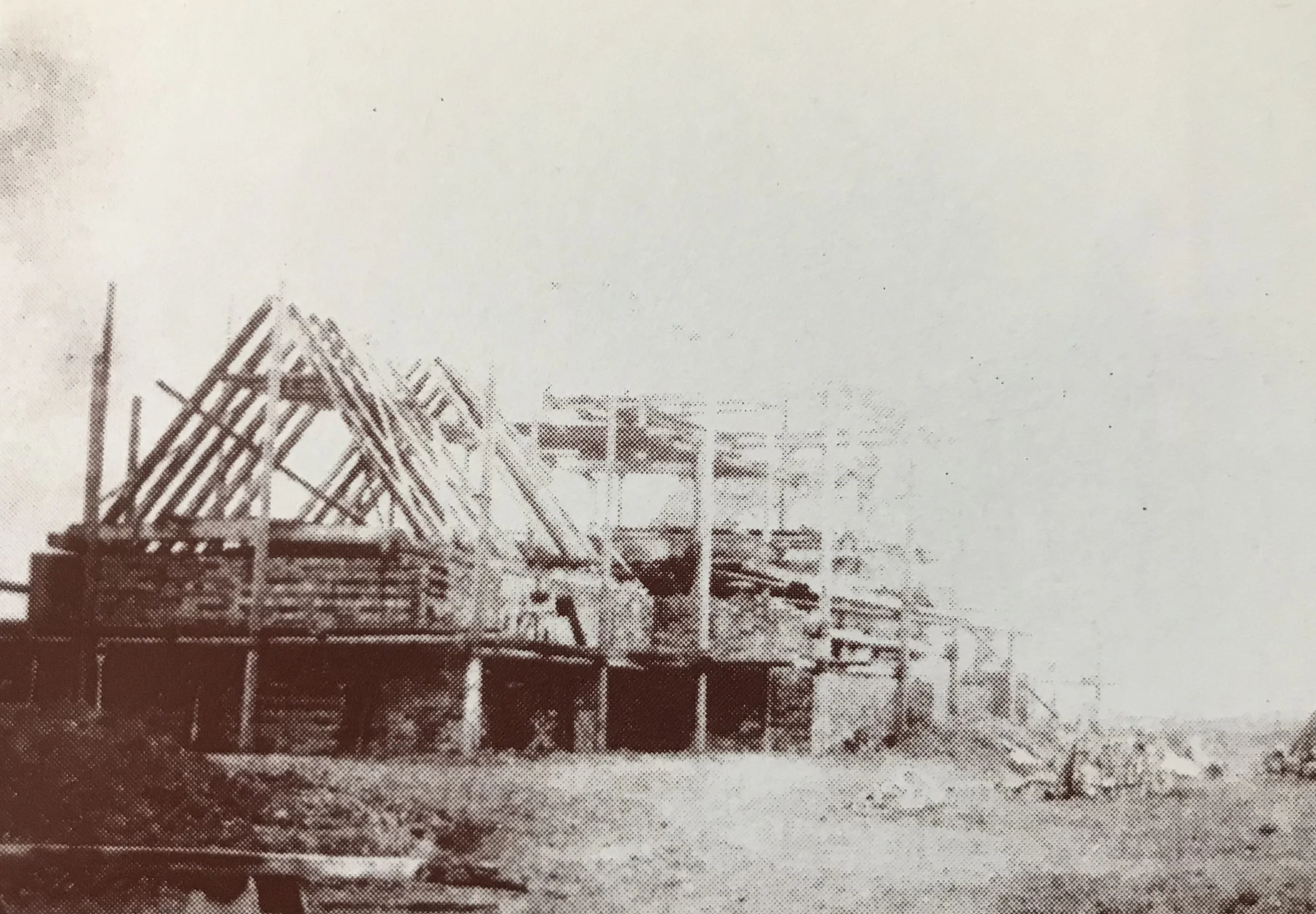
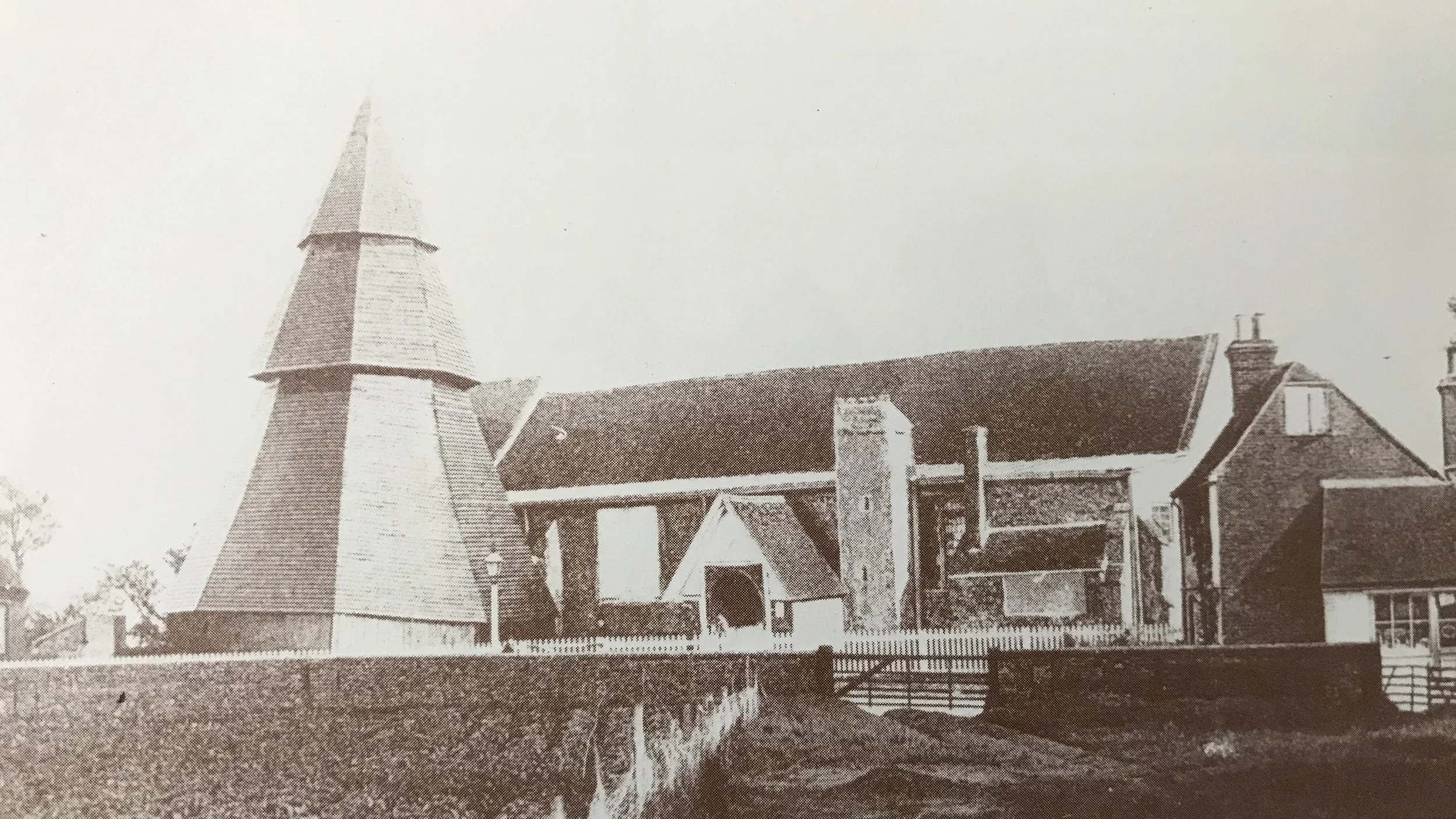
The threat from severe weather has continued into more recent times. At St. Augustine's, Brookland, the remarkable detached wooden bell tower was badly damaged during the Great Storm of October 1987, requiring new cedar cladding.

At St. George’s, Ivychurch, a particularly violent hailstorm in July 2008 shattered more than 50 panes of glass, causing extensive damage to the church’s windows. The subsequent inspection revealed serious deterioration to the great west window of the tower, which ultimately required complete reconstruction. The incident highlighted how a single extreme weather event can expose longstanding structural problems in historic buildings, turning what initially appears to be relatively minor damage into a major conservation project requiring specialist craftsmanship and considerable investment.
Protecting the churches today

Although modern drainage systems and flood defences have transformed the landscape, the churches remain vulnerable. Heavy rainfall can penetrate damaged roofs and masonry, while strong winds, damp and changing ground conditions can threaten their structural stability.
Since its establishment in 1982, the Romney Marsh Historic Churches Trust has awarded more than £1.9 million in grants towards the repair, restoration and maintenance of these remarkable buildings.
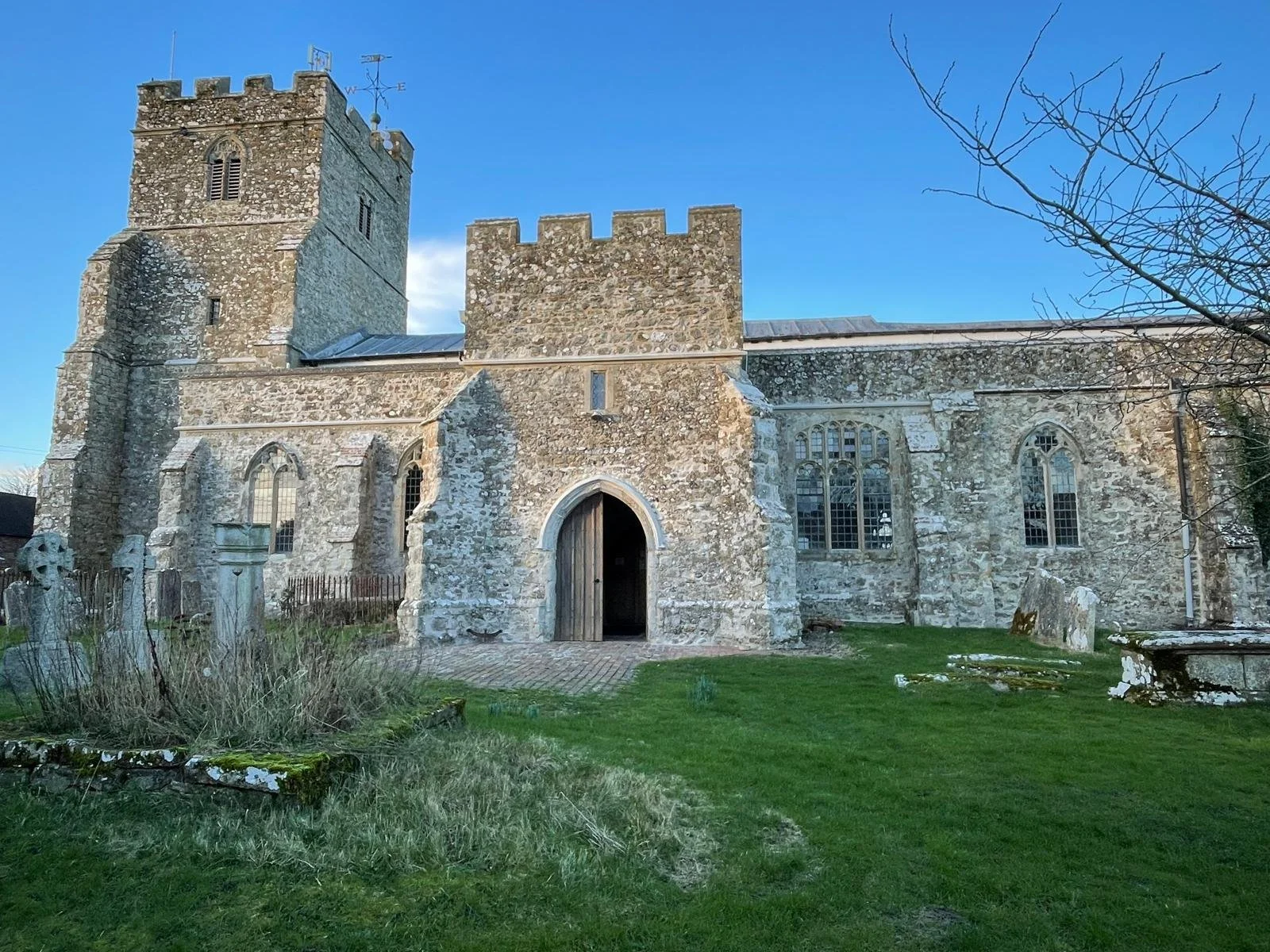
Recent projects demonstrate the importance of this work. At St. George's, Ivychurch, grants totalling £98,000 have supported major stonework restoration, addressing weathered masonry, damaged buttresses and deteriorating architectural features, including the string course and carved stonework above the doorway.

At All Saints', Lydd, the Trust has supported essential roof repairs and improvements to rainwater drainage. At St. Mary-in-the-Marsh, substantial grants have funded repairs to water-damaged roofing, replacement shingles and guttering improvements, while at Dymchurch, support has included repairs to a leaking roof and replacement of the lightning conductor.
These are just a few examples of the many projects supported by the Trust. Much of this work may often go unnoticed by visitors, but maintaining roofs, stonework, windows and drainage is fundamental to protecting the historic buildings and their treasures.
Their future depends on your support

The medieval churches of Romney Marsh are irreplaceable landmarks, repositories of local history and an important part of our shared cultural heritage. Yet many serve small rural communities with limited resources, and the cost of maintaining buildings of this age and significance can be considerable.
The Romney Marsh Historic Churches Trust is run by volunteers and relies on the generosity of its members, donors and supporters. Without this support, many essential repairs and restoration projects simply would not be possible.
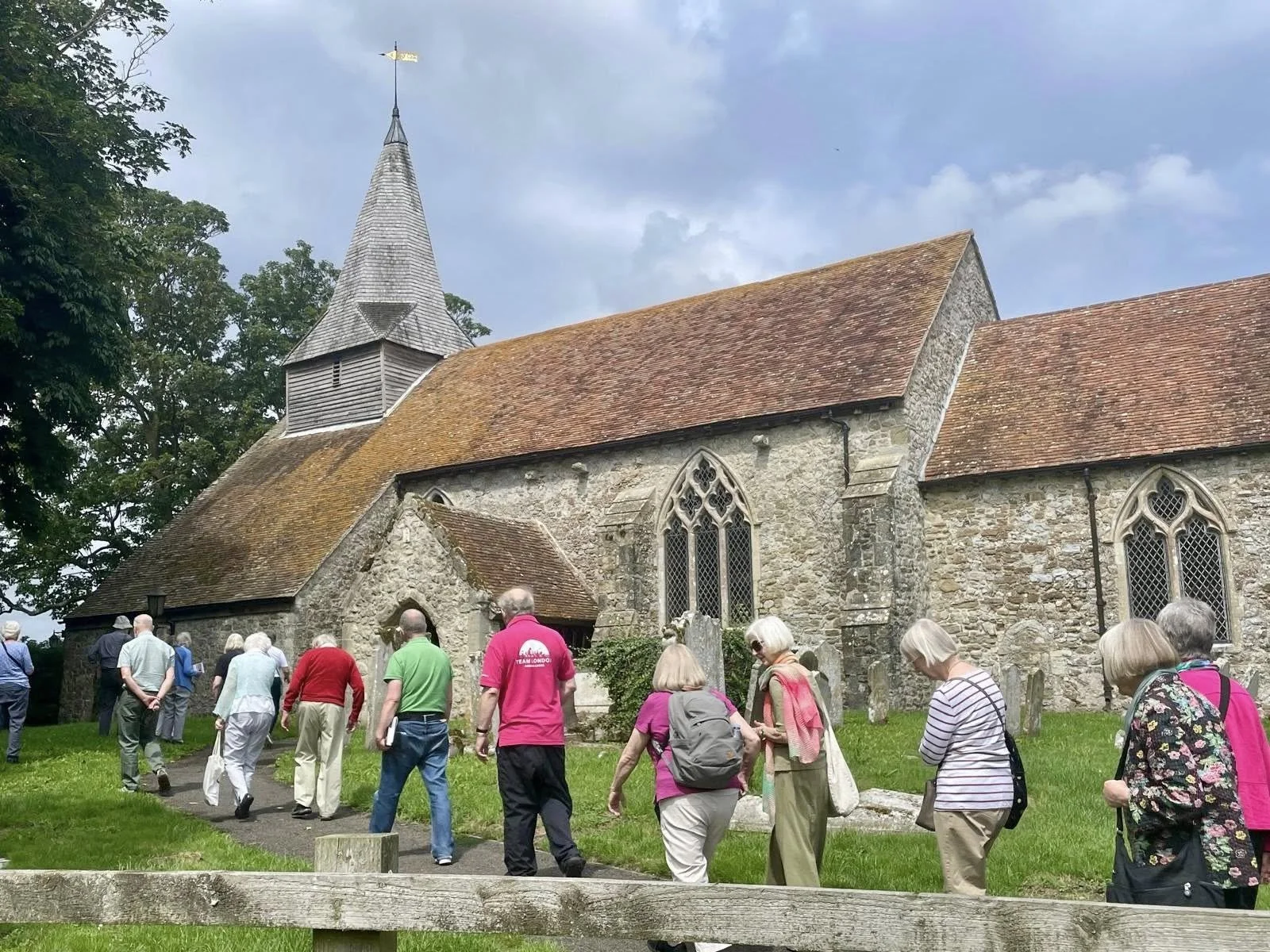
Now is a particularly good time to become a member. Membership fees for new members will increase from 1 January 2027, but anyone joining before then can secure the current lower rates, which will continue to apply to existing members. Membership also brings regular news and updates, invitations to special events and opportunities to enjoy guided tours of the churches.
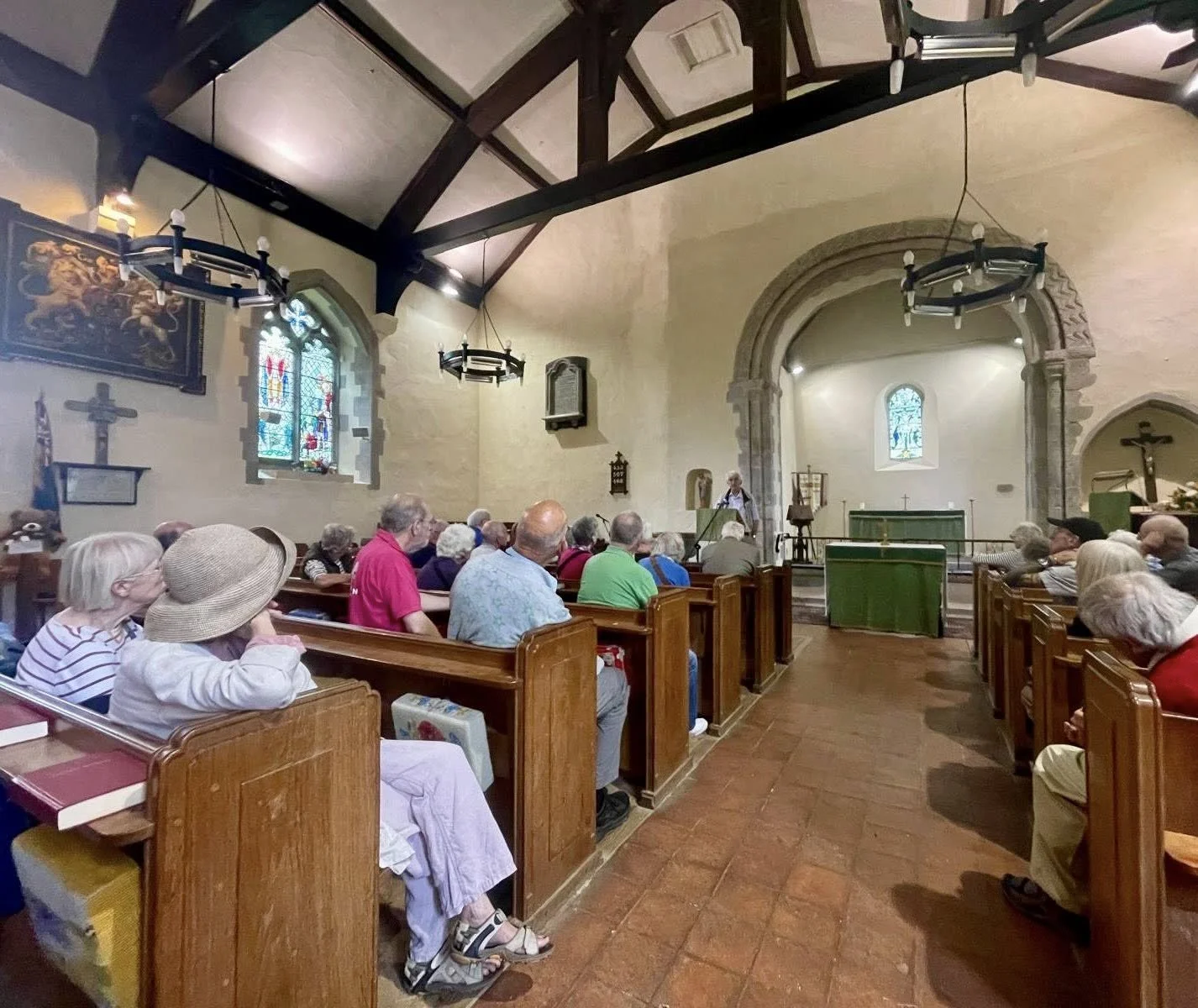
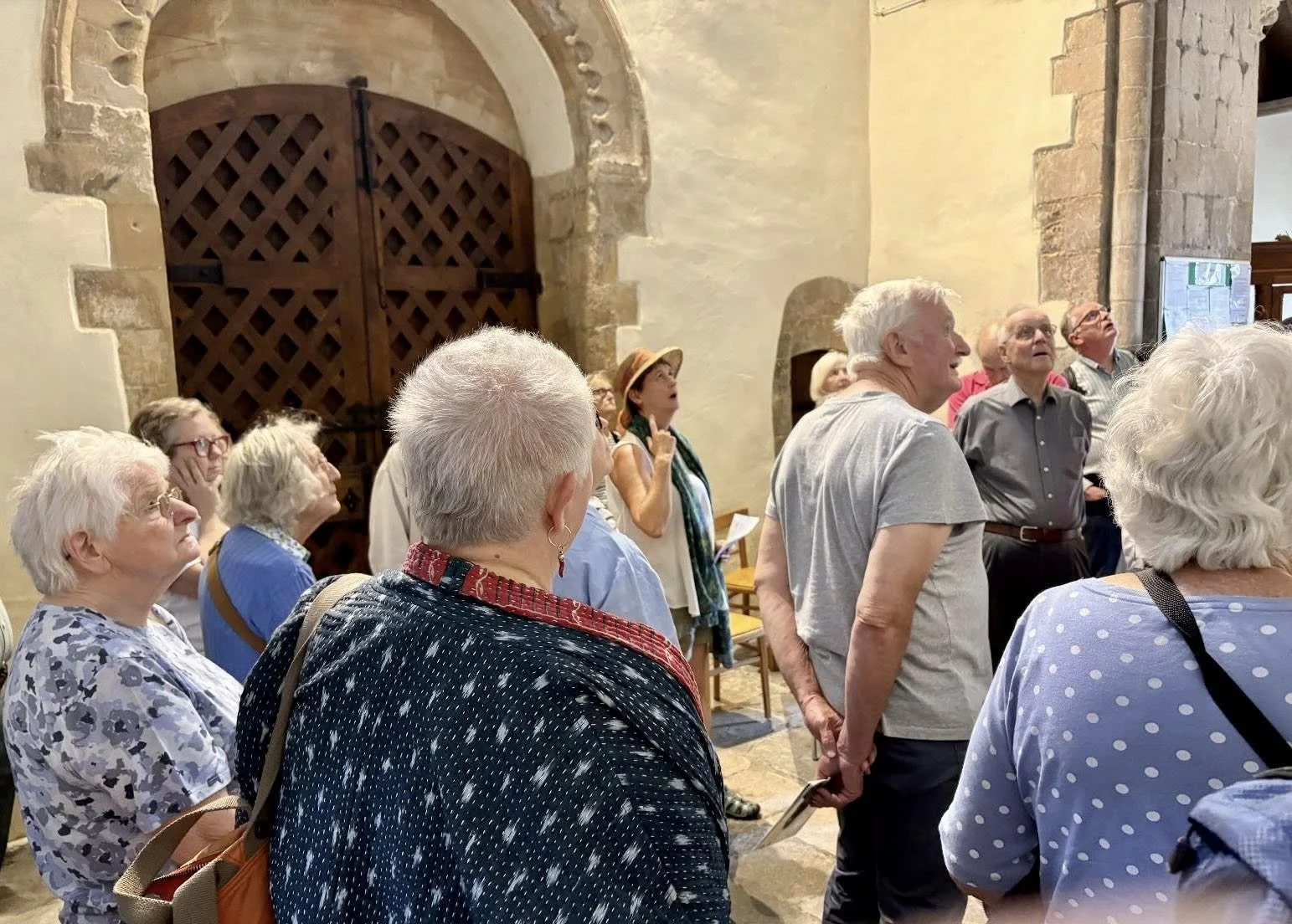
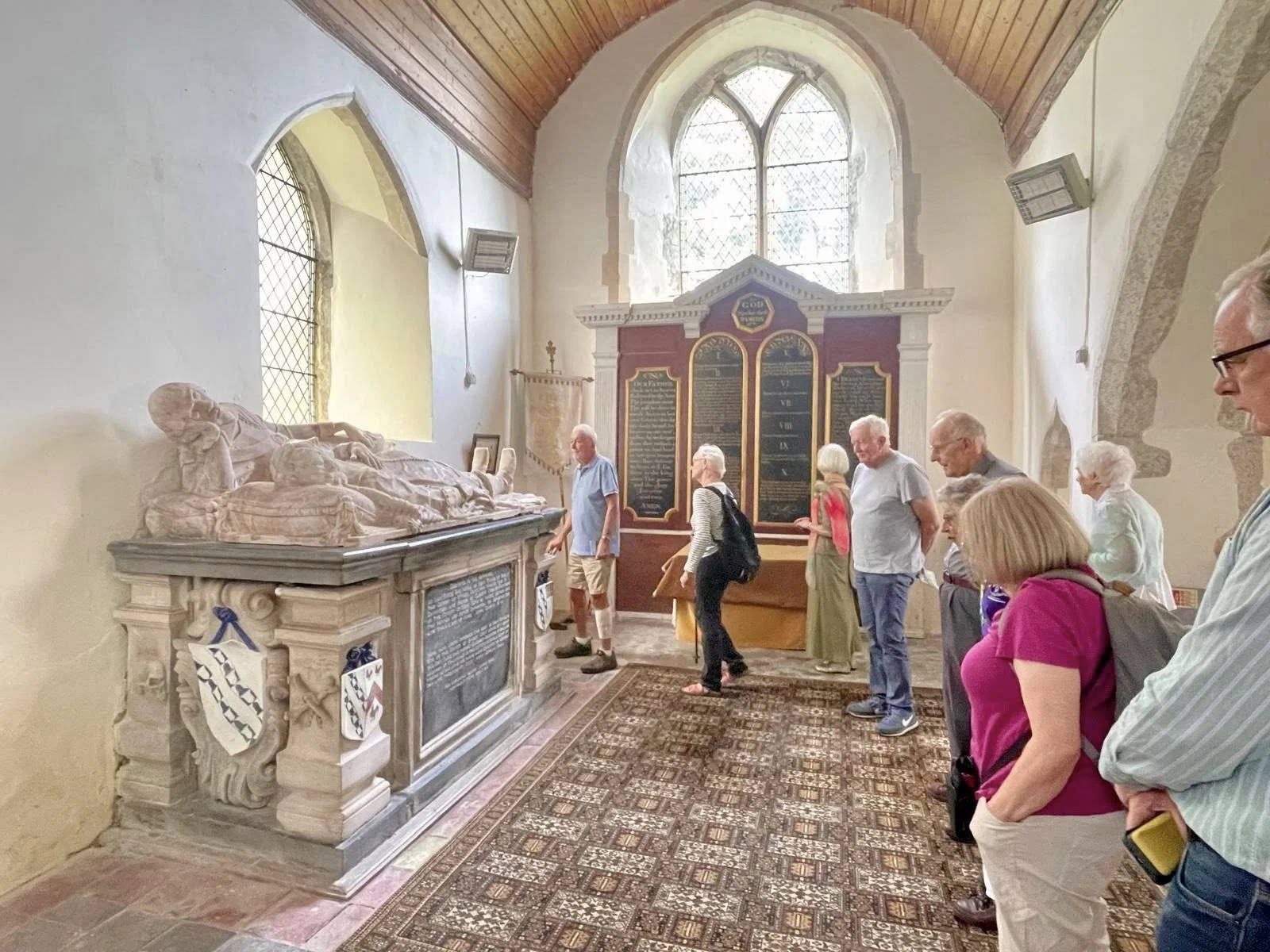
The churches of Romney Marsh have survived centuries of storms, floods and upheaval. With your support, we can help ensure they survive for generations to come.
