
Above the Marsh: Climb the Towers of Lydd and Ivychurch
Rising above the flat landscape, Romney Marsh’s church towers have helped generations find their bearings, both on land and out at sea. Many people still use these familiar landmarks to navigate the winding Marsh roads. Their enduring presence owes much to the communities who care for them and to the Romney Marsh Historic Churches Trust, which helps fund the costly specialist repairs needed to preserve these ancient buildings.
This September, Heritage Open Days offers a rare opportunity to climb two of these towers - at All Saints’, Lydd and St. George’s, Ivychurch - and discover the landscape from above.
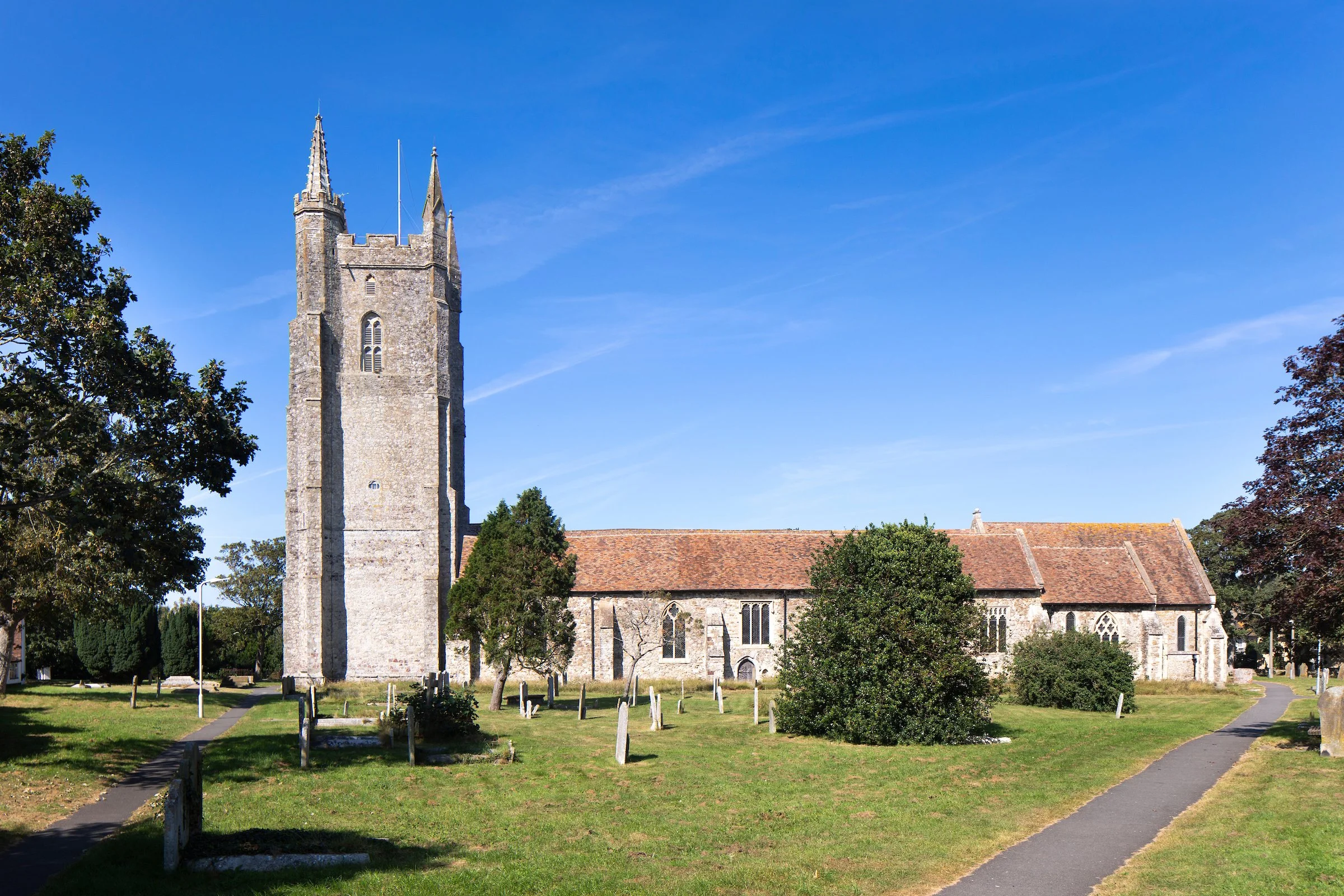
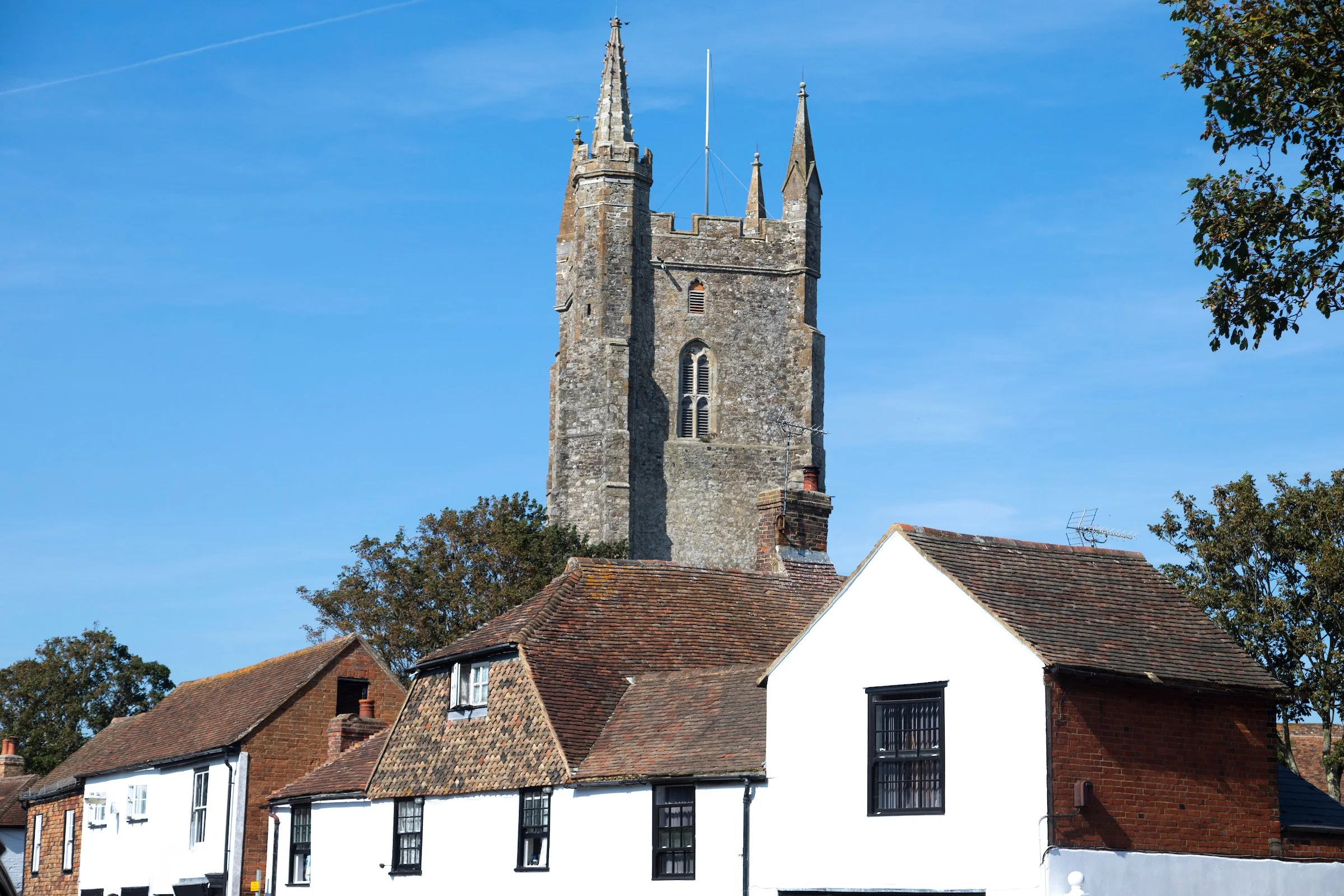
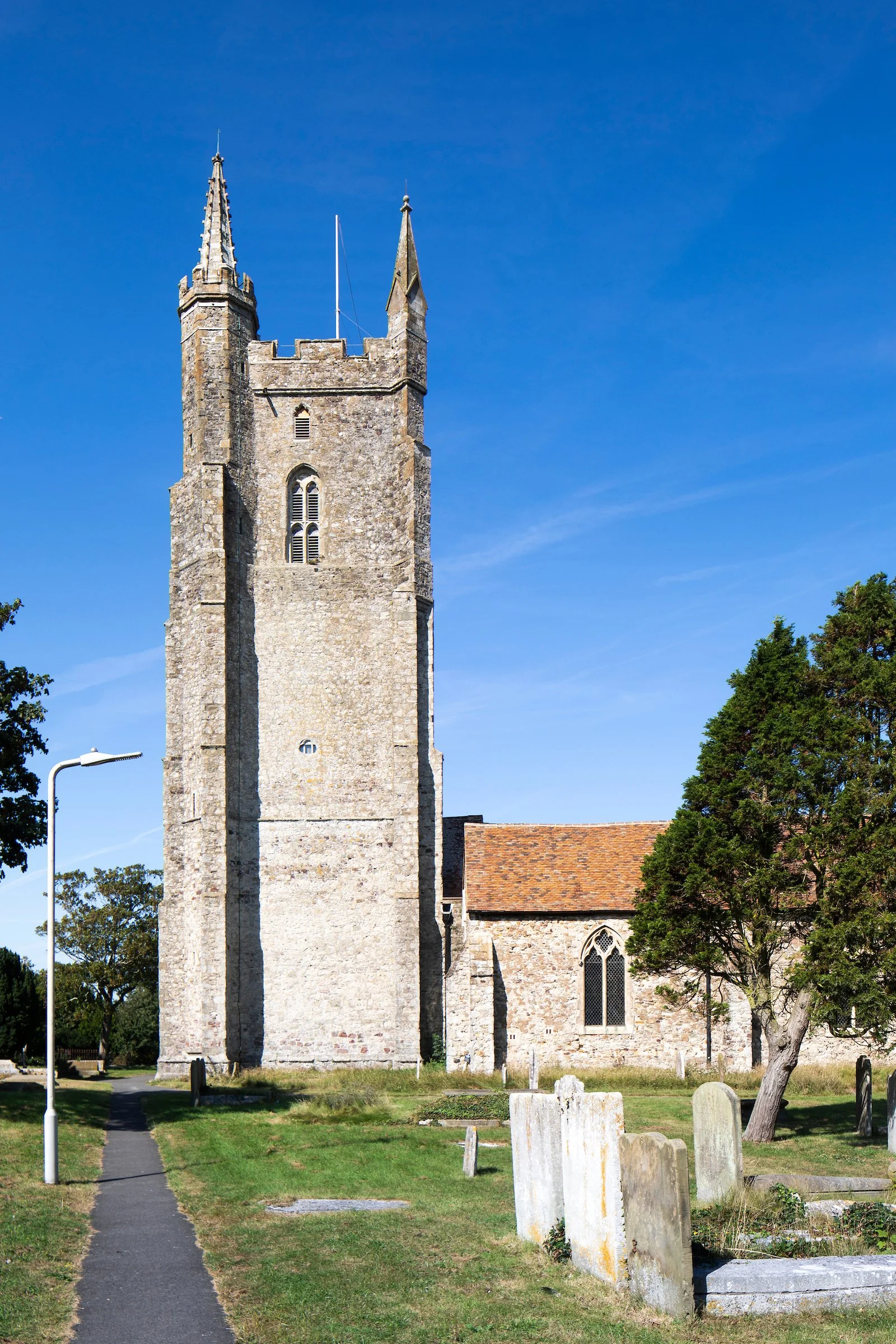
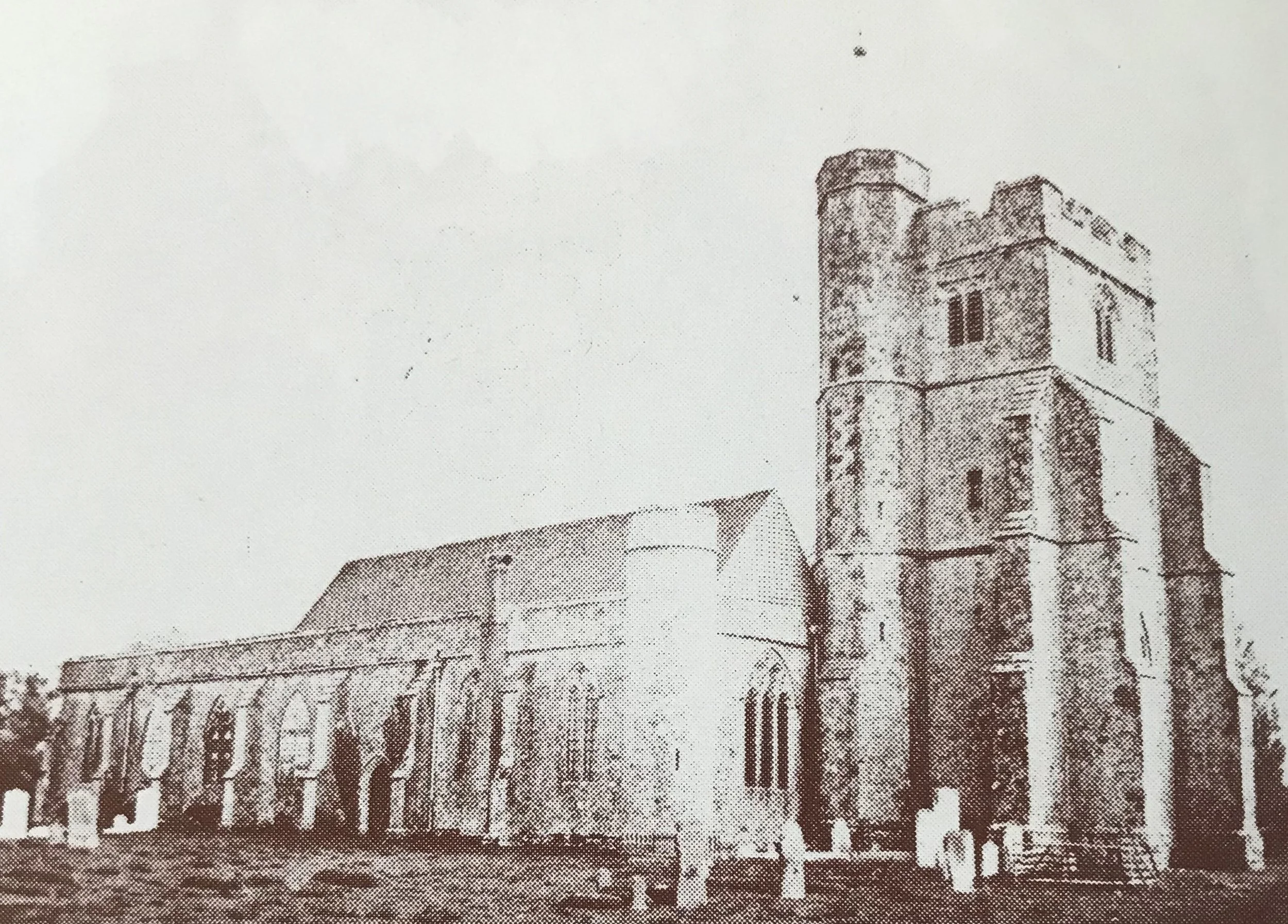
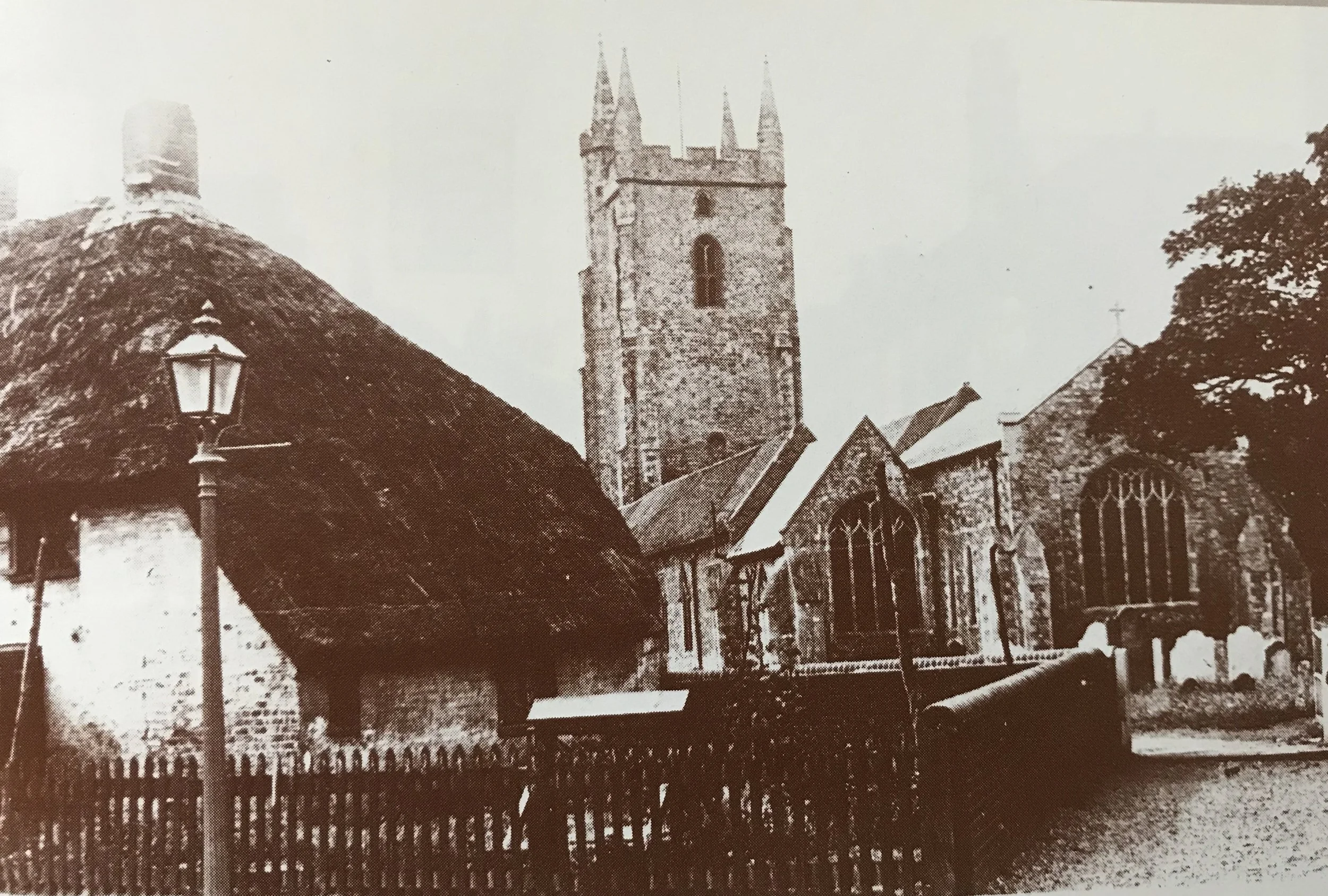
Sometimes called the “Cathedral of the Marsh”, All Saints’ is the longest parish church in Kent, stretching to 199 feet. Its size reflects the historic importance of Lydd, a member of the Cinque Ports Confederation through its association with New Romney. The town once helped supply ships and crews for the defence of the realm, receiving valuable privileges in return.
The church’s 132-foot ragstone tower is an expression of that confidence and civic pride. Rebuilt and heightened between 1438 and 1441, it was constructed by Thomas Stanley, a senior mason at Canterbury Cathedral, for a payment of £280. Decorative pinnacles were added during the rectorship of Thomas Wolsey, later the powerful cardinal and adviser to Henry VIII.
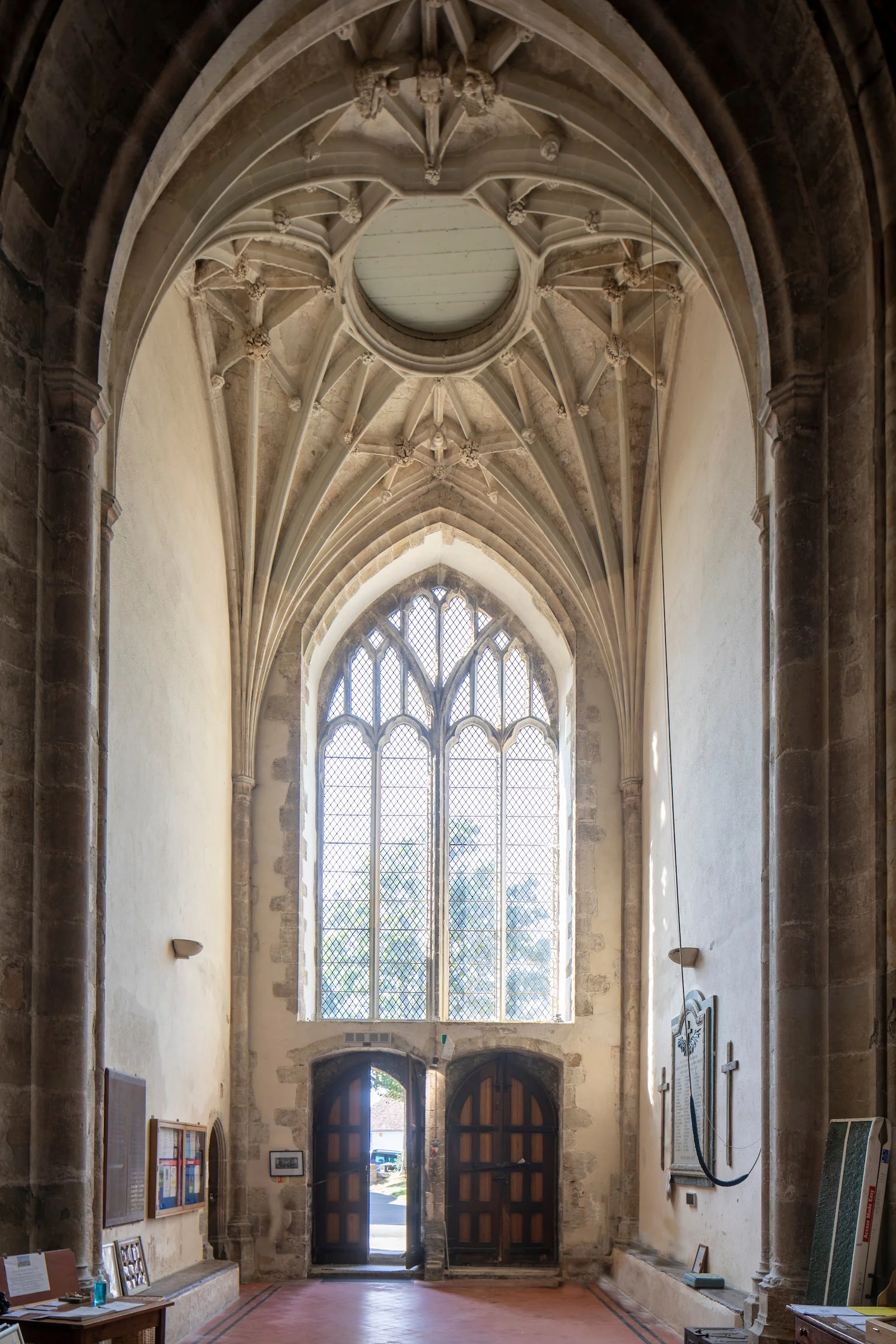
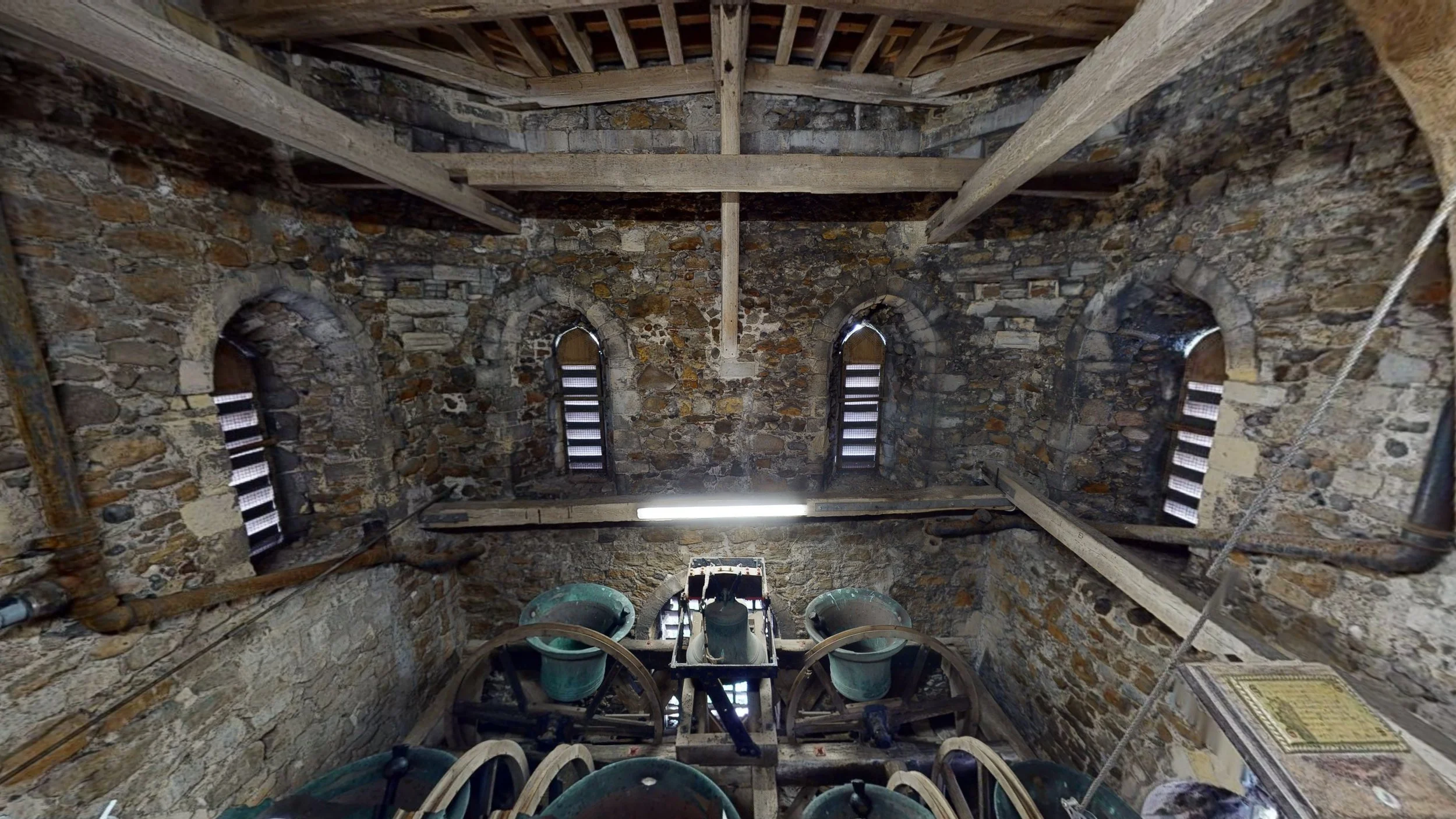
The tower has also helped mark the rhythms of everyday life. Its eight bells called people to worship, while a winter curfew bell rang at eight in the evening until around 1972. In 1977, £16,000 was raised for tower repairs and repointing, with the bell fittings sent away for refurbishment at the same time.
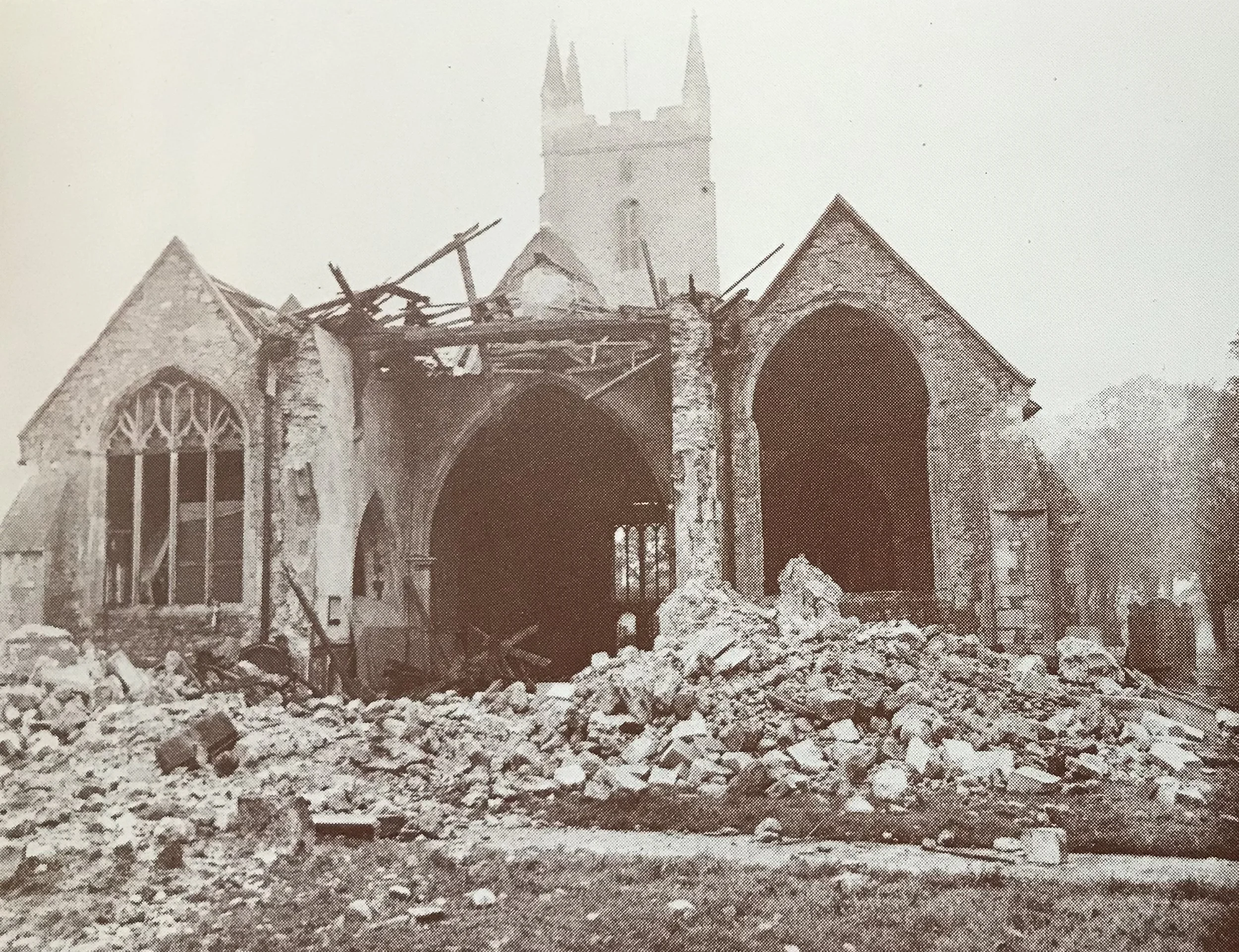
Elsewhere in the building, the church bears witness to a more dramatic restoration. In October 1940, a German aircraft bombed All Saints’, destroying the east end and badly damaging the building. Years of repair followed, and a service of re-hallowing took place in 1953. A painting of the damage, sent to Winston Churchill during the campaign to rebuild, can still be seen inside.
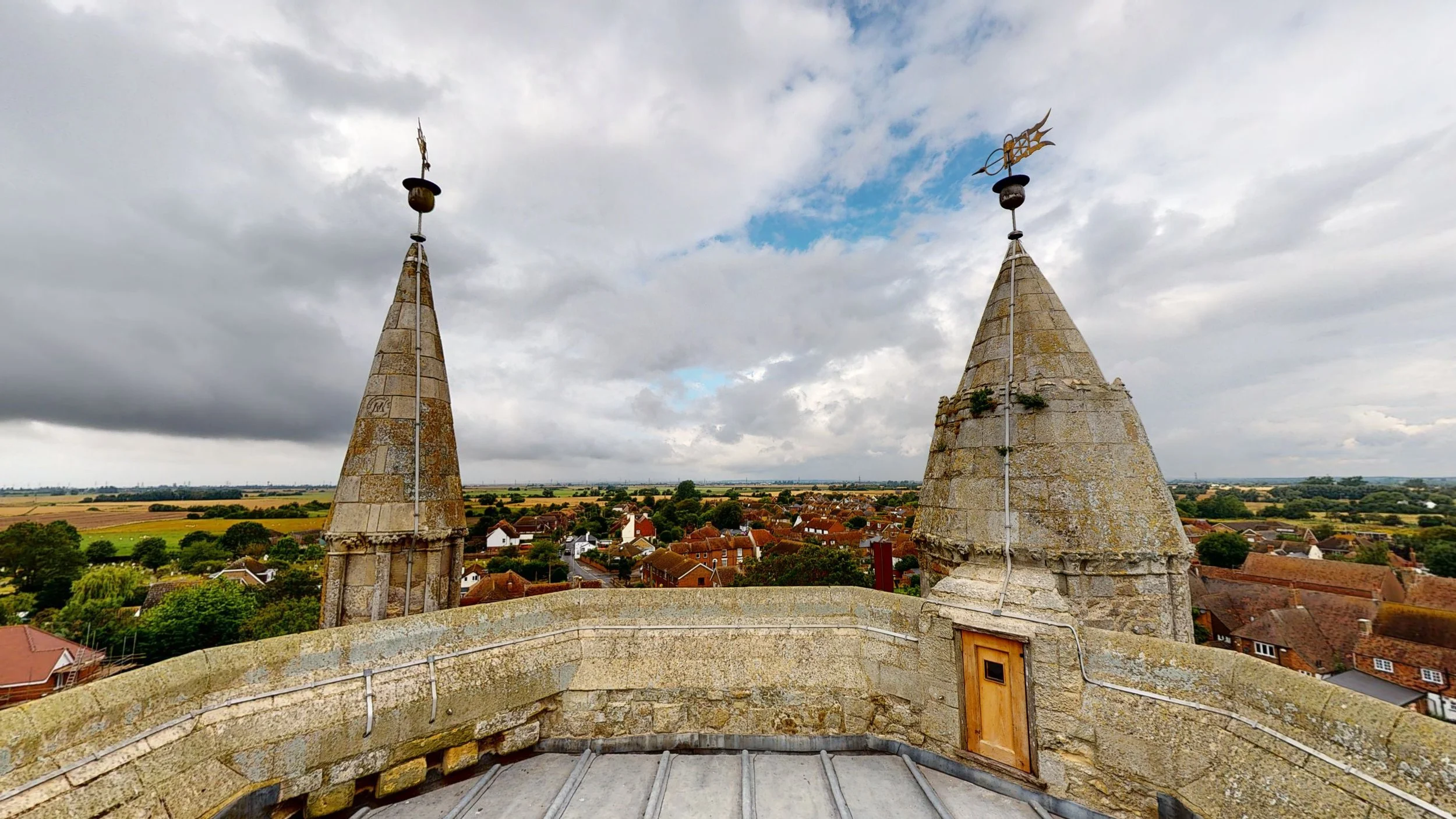
Climbing the tower offers a different way to understand the church’s setting, looking over the town and across the open marshland towards Dungeness. From this height, its importance as a landmark becomes immediately apparent.
St. George’s, Ivychurch
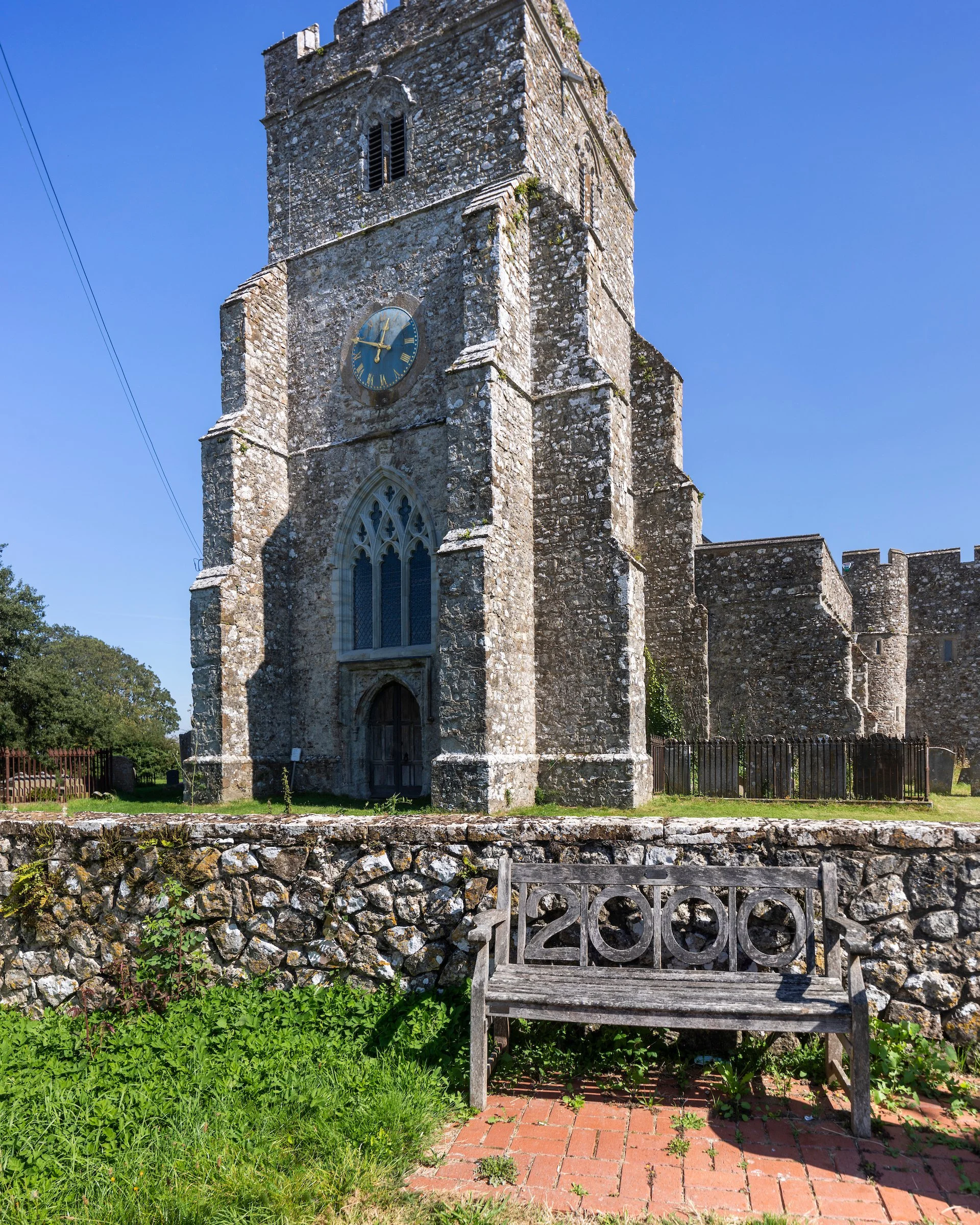
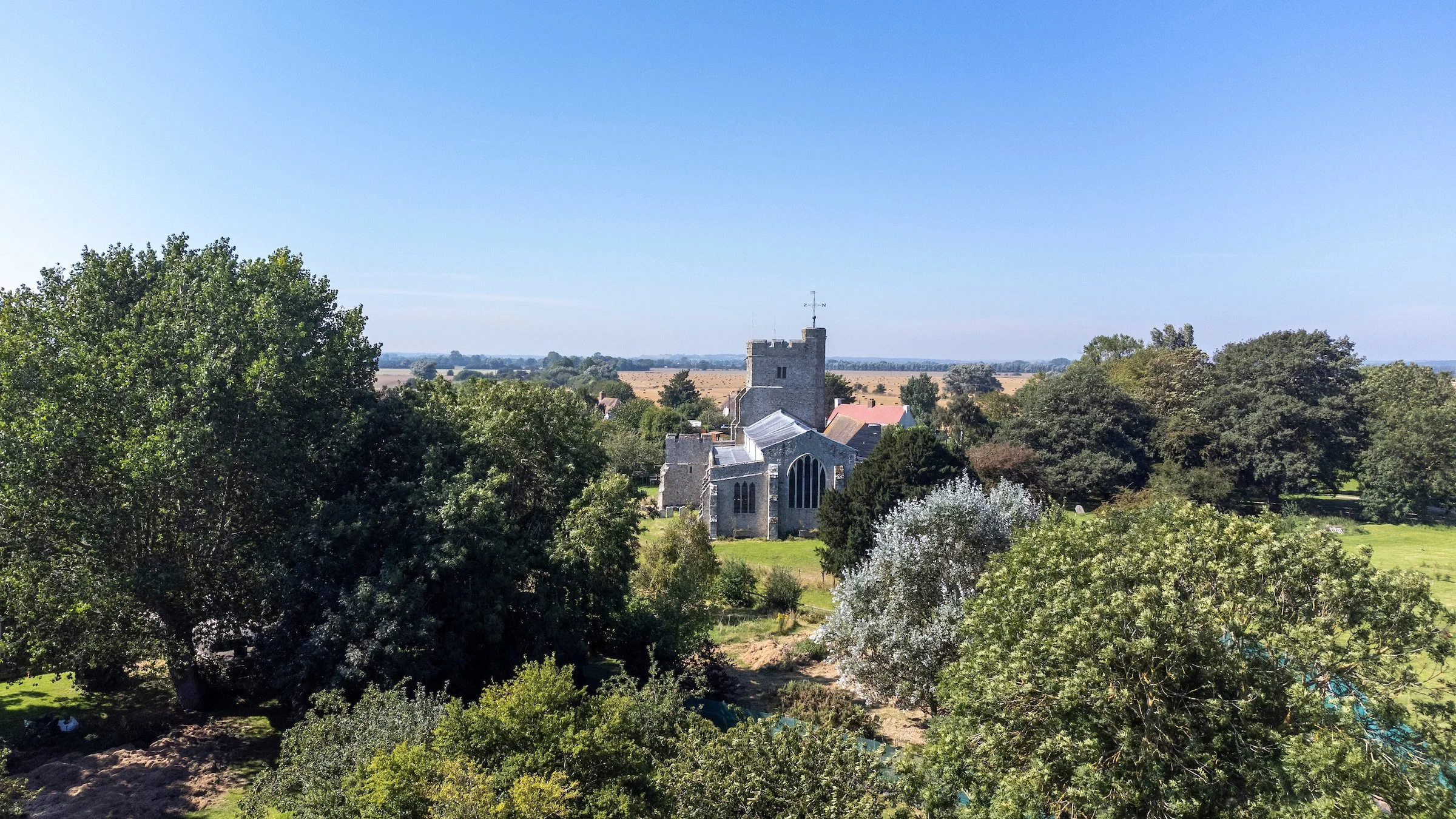
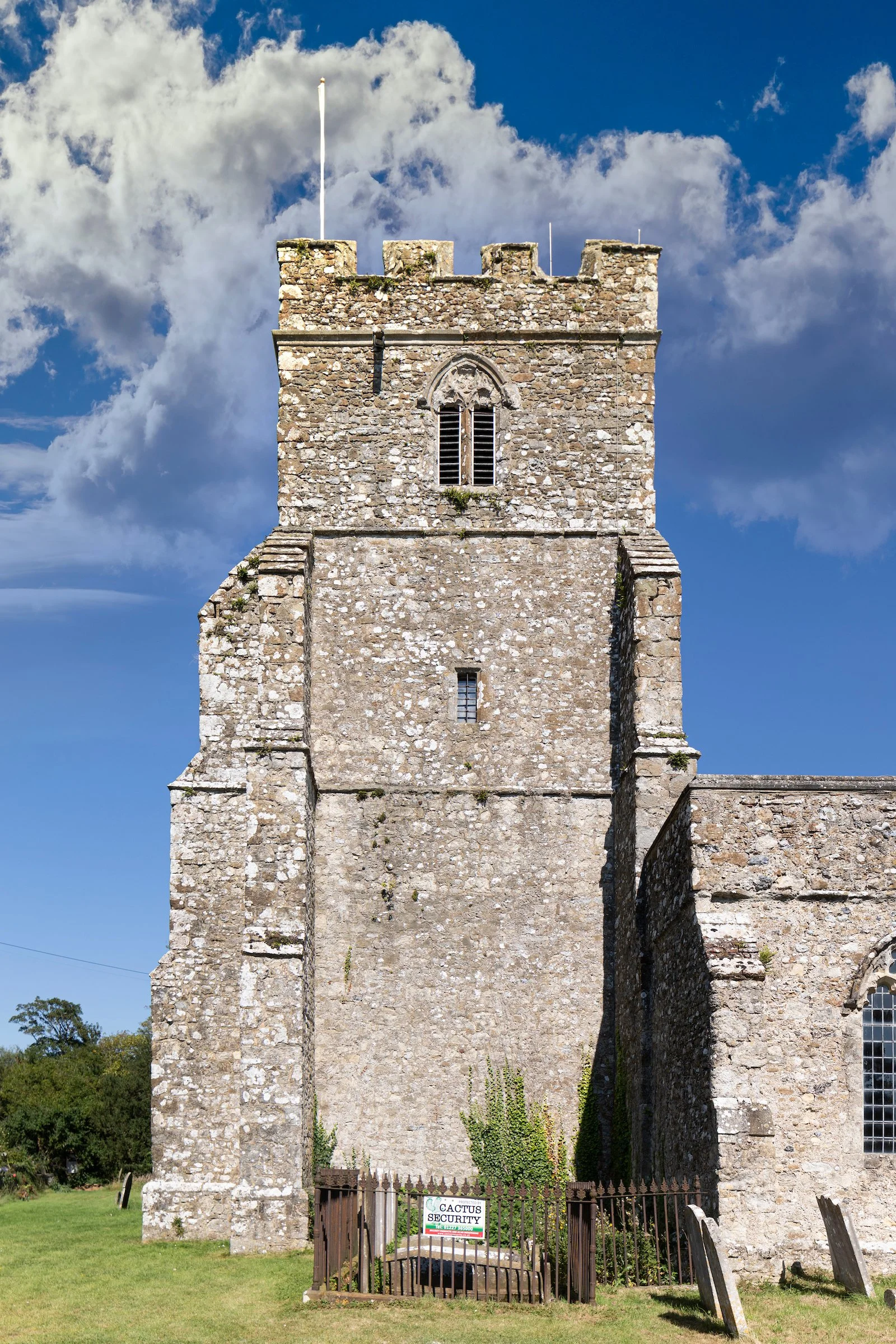
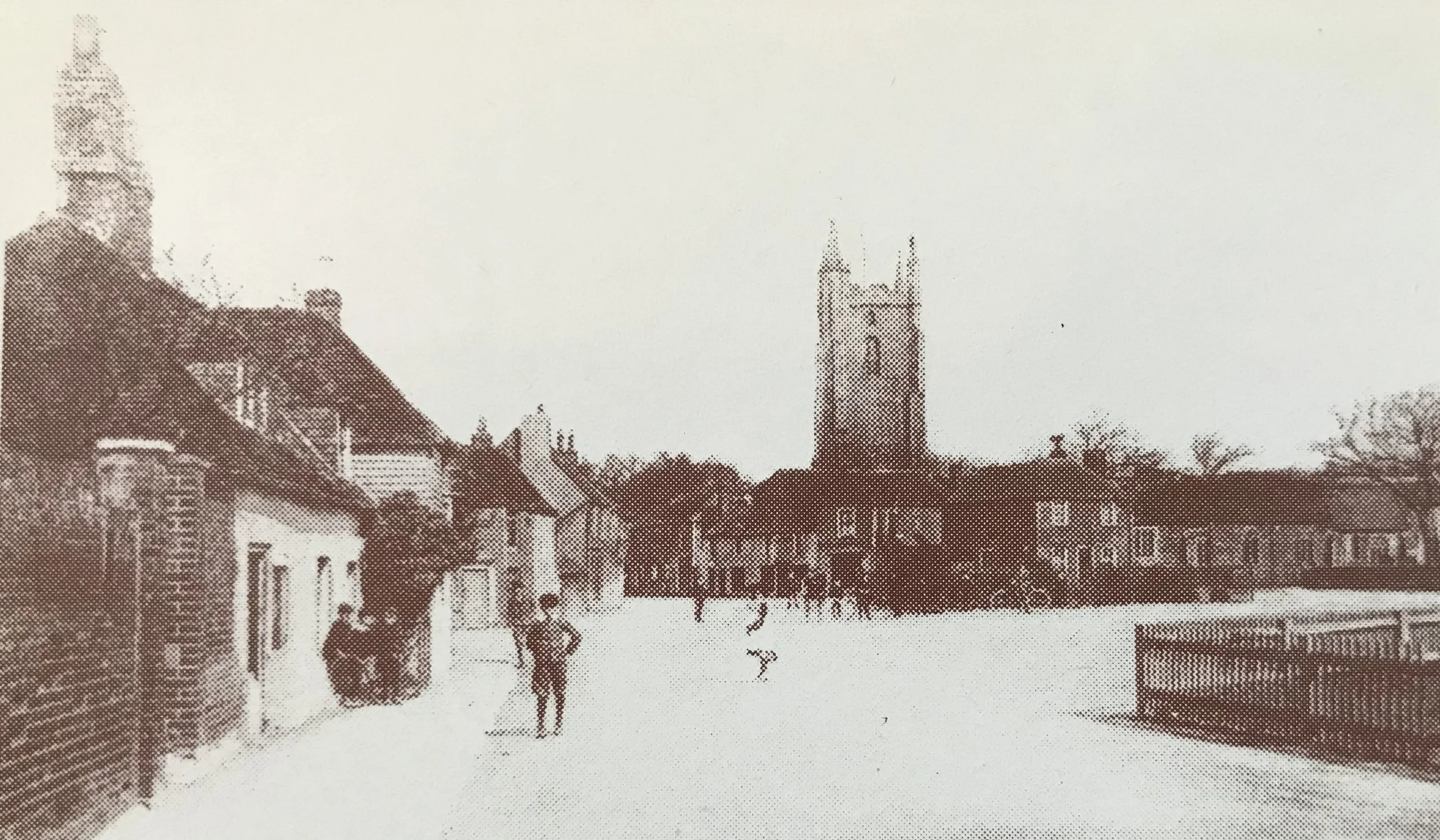
St. George’s also lays claim to the title “Cathedral of the Marsh”. Its enormous size seems surprising beside the small village it serves, but reflects the influence of the Archbishops of Canterbury, whose land supported its medieval enlargement.
The church is principally fourteenth-century, with the battlemented tower and porch added later. Substantial buttresses help support the tower on marshy ground, while a staircase within the turret leads to the roof. The views stretch across the Marsh towards Dungeness, Rye and the hills beyond.
The bells have a long history of local support. In 1455, William Warde left forty shillings to the parishioners on condition that they buy new bells. By 1552, four were recorded. Five remain today, although they have been silent since 1972.
During the Second World War, the tower served as a nightly lookout for the Home Guard. Meanwhile, the small parvis chamber above the porch was used to store emergency food rations. In earlier centuries, this room accommodated visiting priests and may also have provided a secure place for church treasures and records.
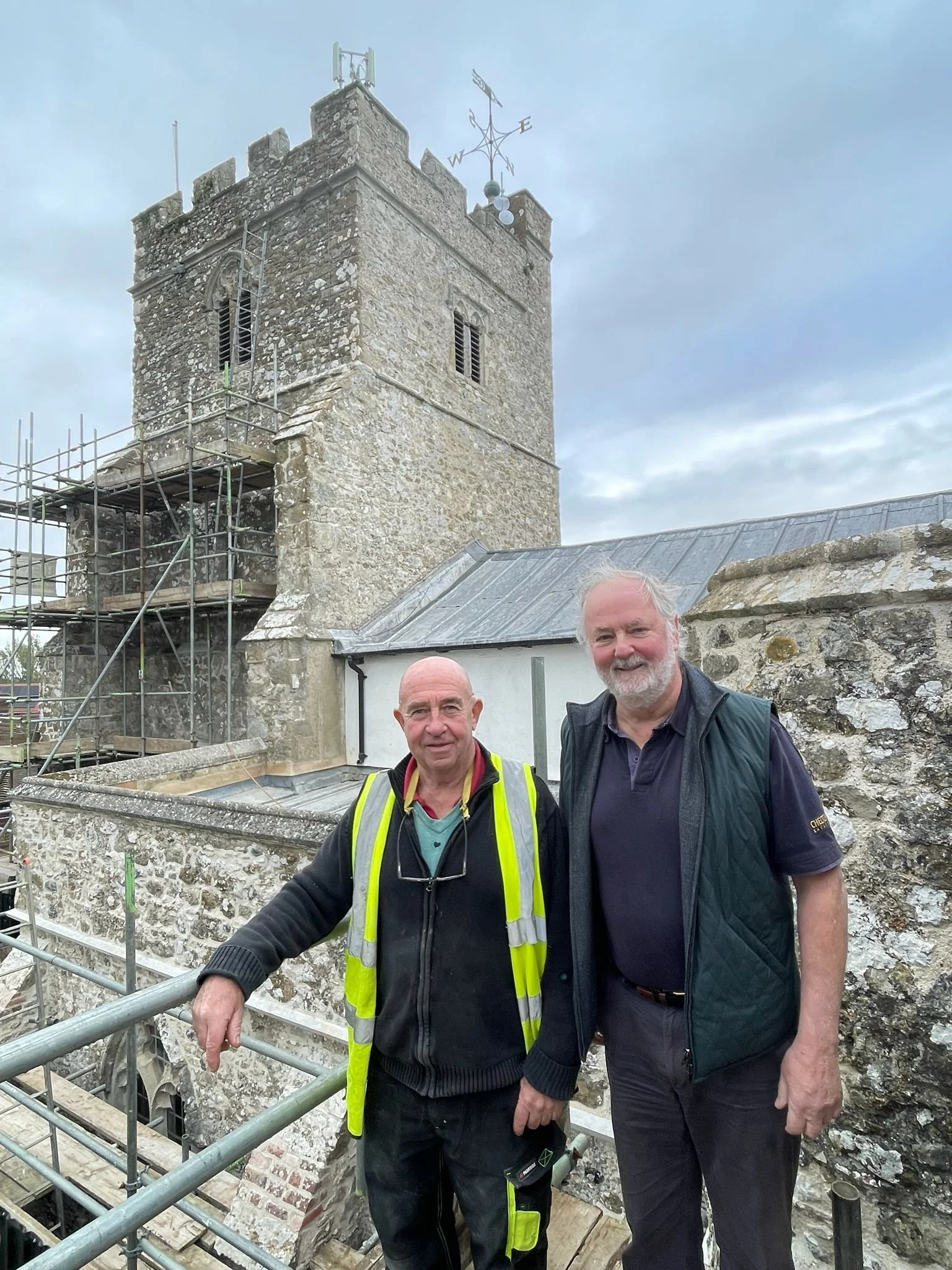
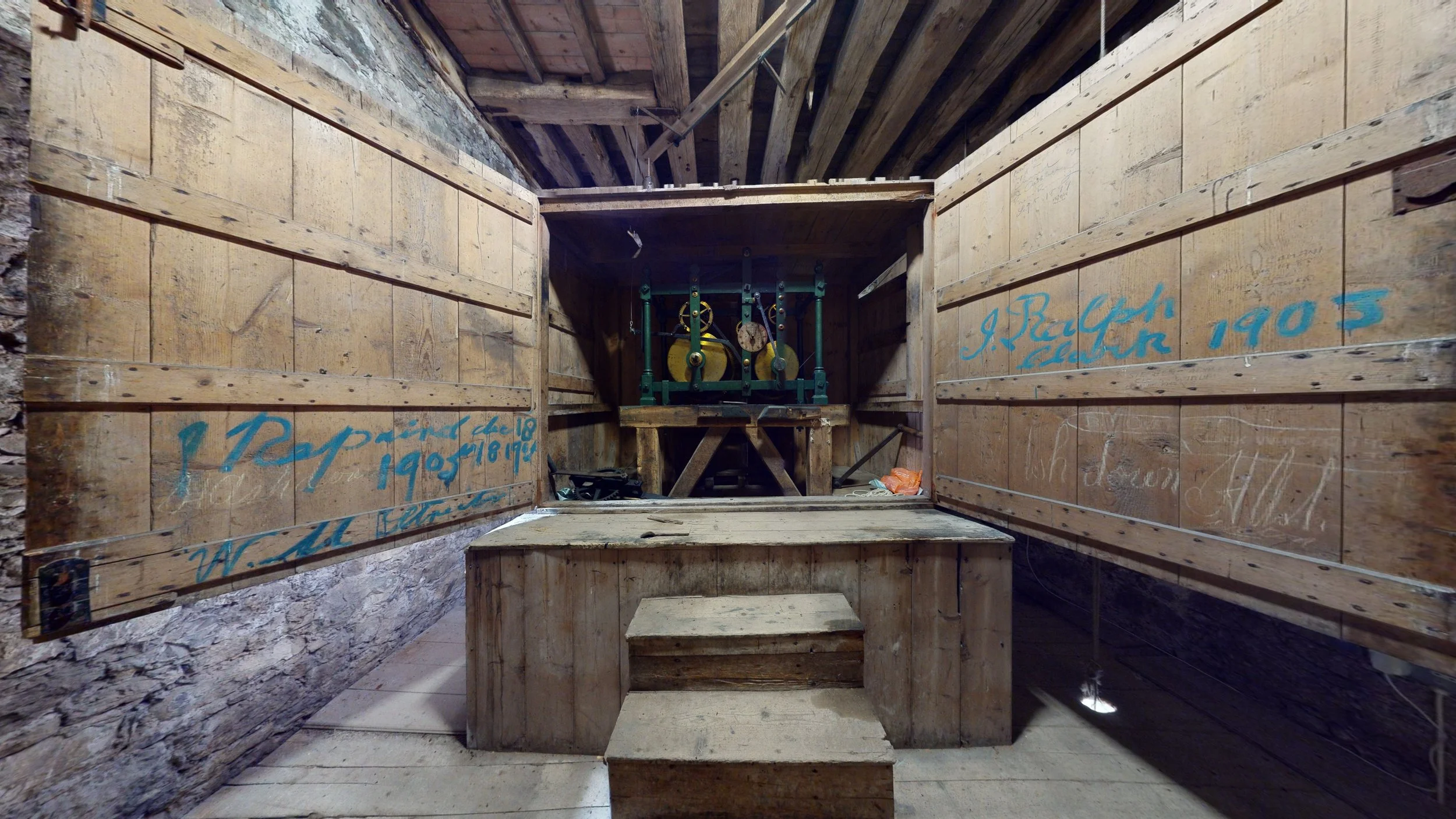
Visitors this year can also appreciate a substantial recent investment in the church’s future. The Trust has awarded £98,000 in grants to date towards a major stonework restoration project. Repairs include replacing weathered masonry, restoring stonework around windows, addressing deep cracks in two buttresses and tackling water ingress. The Trust is also funding restoration of the church clock. Supported by members, donors, legacy gifts and dedicated local volunteers, this work continues a centuries-long tradition of caring for St. George’s.
Plan Your Visit
Heritage Open Days runs from 11–20 September 2026, with eight historic Romney Marsh churches taking part.
All Saints’, Lydd: the tower opens on Saturday 12 September, noon–4pm, weather permitting. Volunteer stewards and refreshments are available in the church from 10am–5pm.
St. George’s, Ivychurch: tower and clock room visits take place at 2pm throughout 11–20 September, with advance booking required via admin@romneymarshchurches.org.uk. The parvis chamber also opens on 12 September, and a shepherd’s hut in the churchyard hosts artwork curated by Art in Romney Marsh during the festival.
For those accustomed to following these towers on the horizon, the climb offers a chance to look back across the landscape they have helped generations navigate - and to appreciate the craftsmanship and continuing care that keep them standing.
Explore the full Heritage Open Days programme and visiting details.