The Marsh Churches and the Smugglers
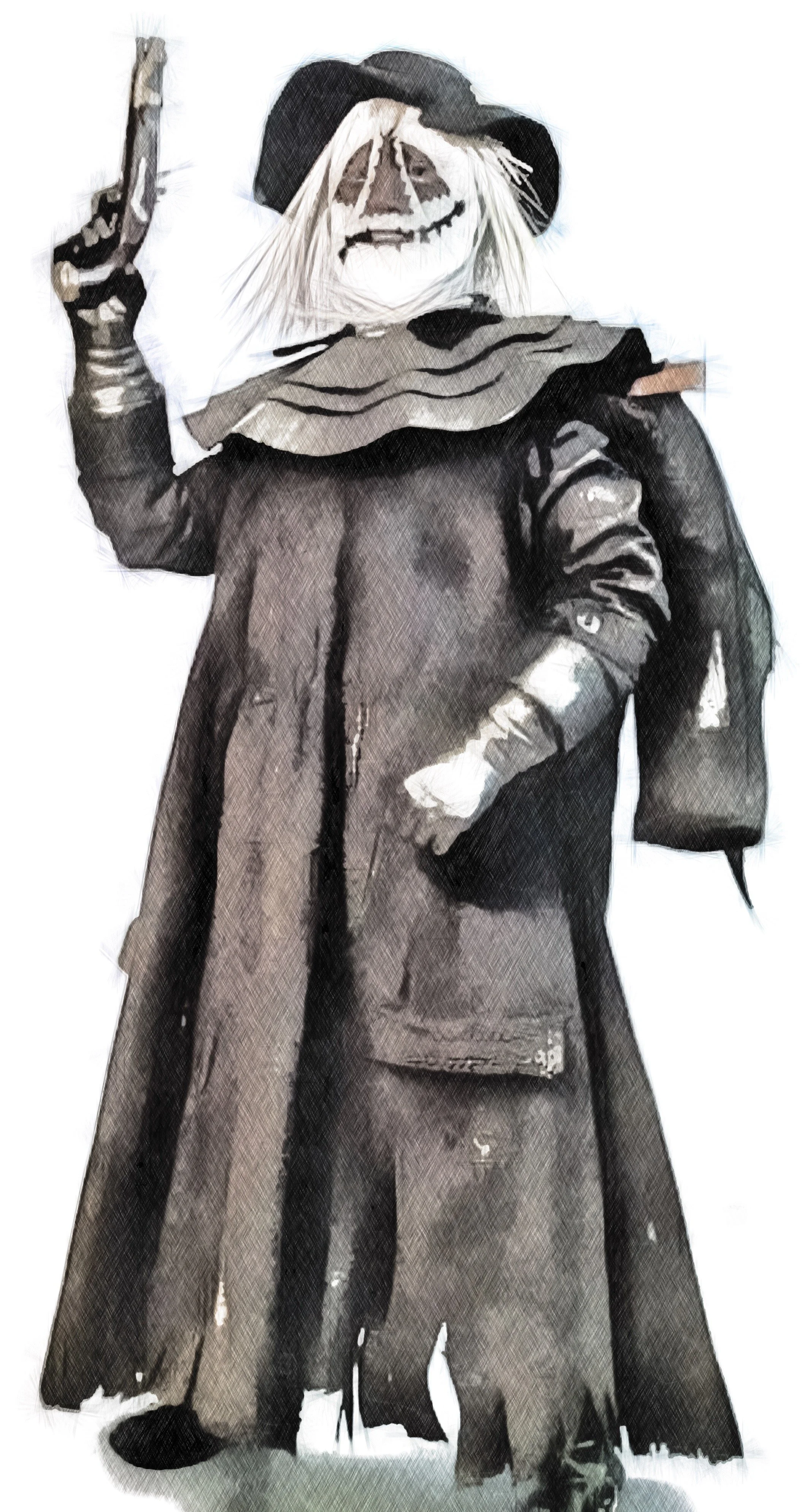
The annual Day of Syn festival in Dymchurch celebrates one of Romney Marsh’s most famous fictional characters: Dr Syn, the respectable vicar of Dymchurch who, by night, becomes the mysterious “Scarecrow” - leader of a band of smugglers operating across the Marsh.
Created by author Russell Thorndike, Dr Syn may be fictional, but the world he inhabits has very real roots. For centuries, smuggling was woven into the life, landscape and folklore of Romney Marsh, and some of its medieval churches have fascinating connections to this illicit trade.
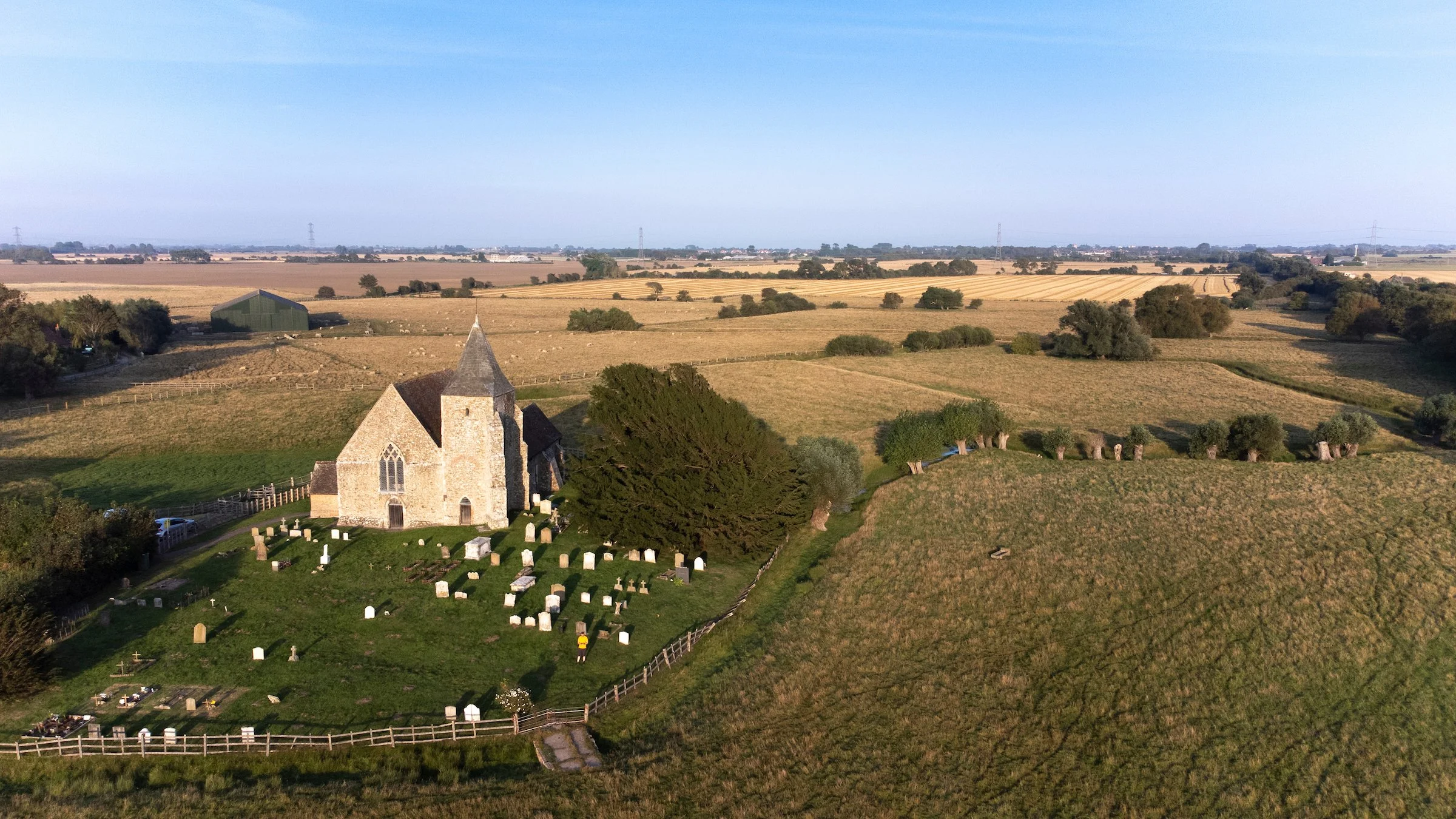
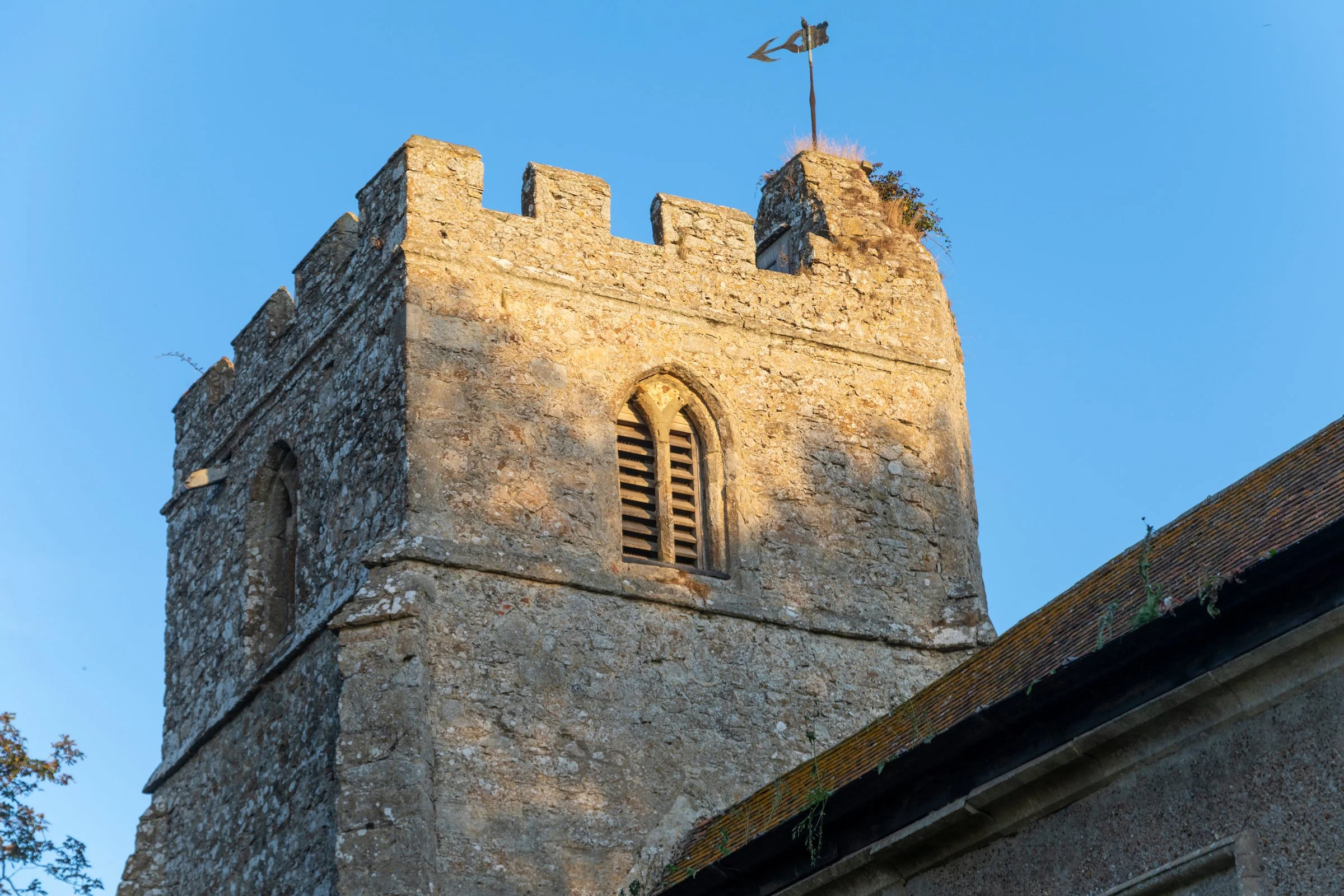
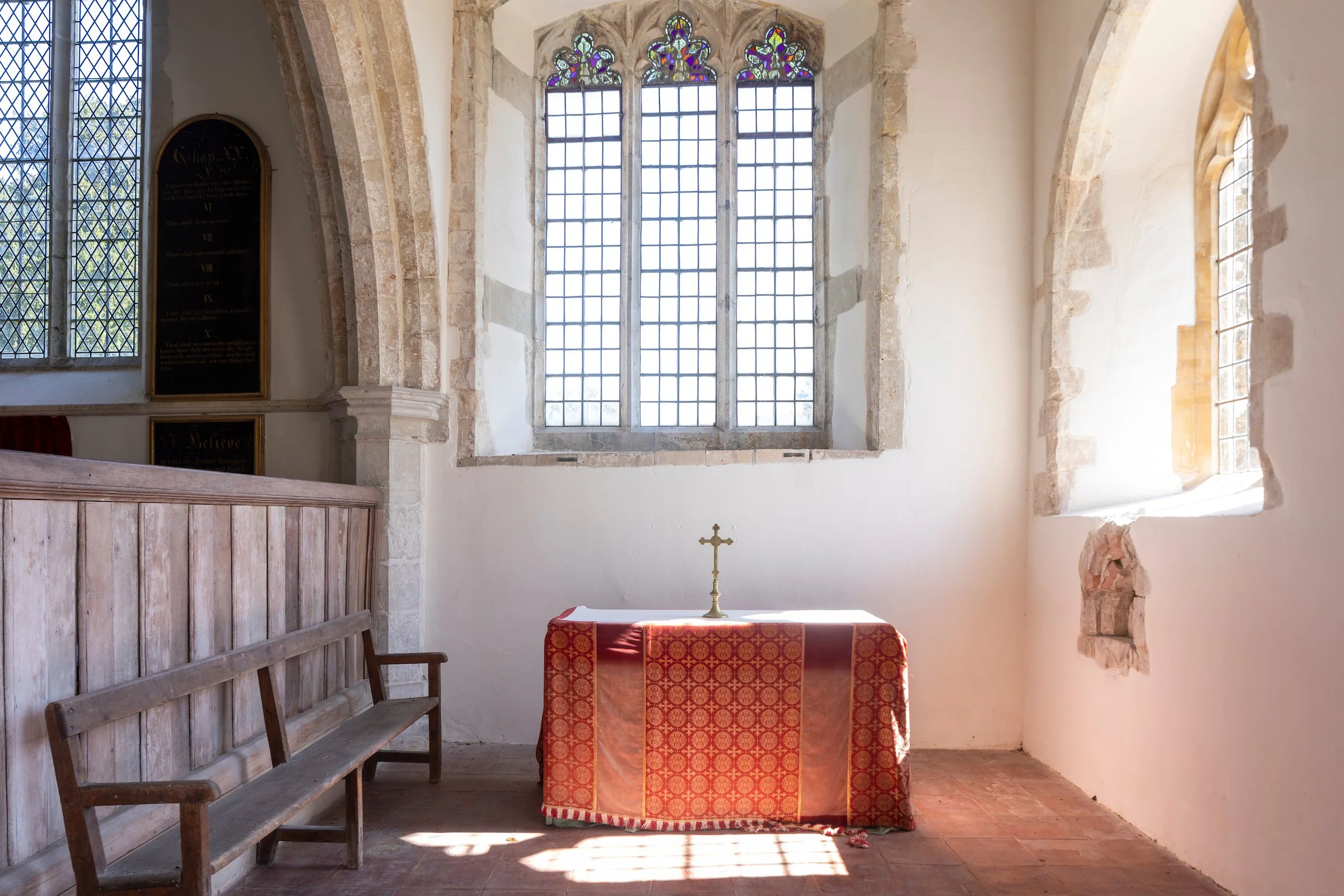
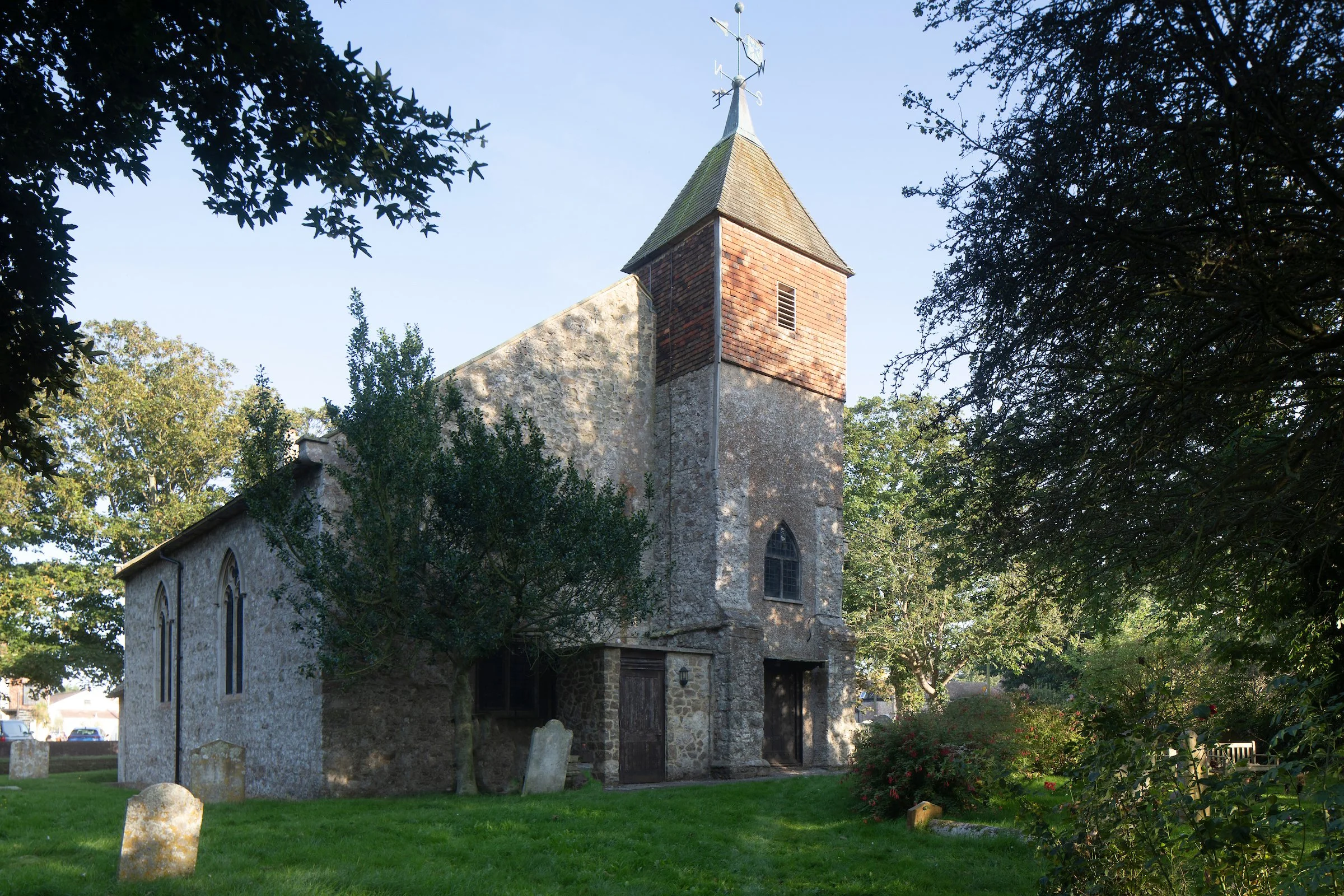
The Marsh was particularly well suited to smuggling. Its remote coastline, proximity to France and maze of lanes, waterways and ditches made goods relatively easy to land and difficult for the authorities to intercept. Heavy duties and restrictions on trade also meant that avoiding customs could be extremely profitable. Smuggling became so widespread that local people might help land, carry, hide or sell contraband - while others simply knew when to look the other way.
And, as the stories preserved in the Marsh churches reveal, even the churches themselves sometimes became part of this secretive world.
From owlers to organised gangs

Frontispiece from the novel Doctor Syn (1915) by Russell Thorndyke, published by Doubleday, Page & Company (Garden City, New York). Creator:Jay Chambers, Public domain, via Wikimedia Commons
Some of the Marsh’s earliest smugglers were wool exporters known as ‘owlers’, traditionally said to have gained their name from the owl-like calls they used to signal to one another while moving their illicit cargo under cover of darkness.
As smuggling grew, so did attempts to stop it. Riding Officers patrolled the coast and Marsh on horseback, searching for contraband and pursuing smugglers. But by the late 18th and early 19th centuries, the trade had developed into a highly organised business involving large and sometimes heavily armed gangs.
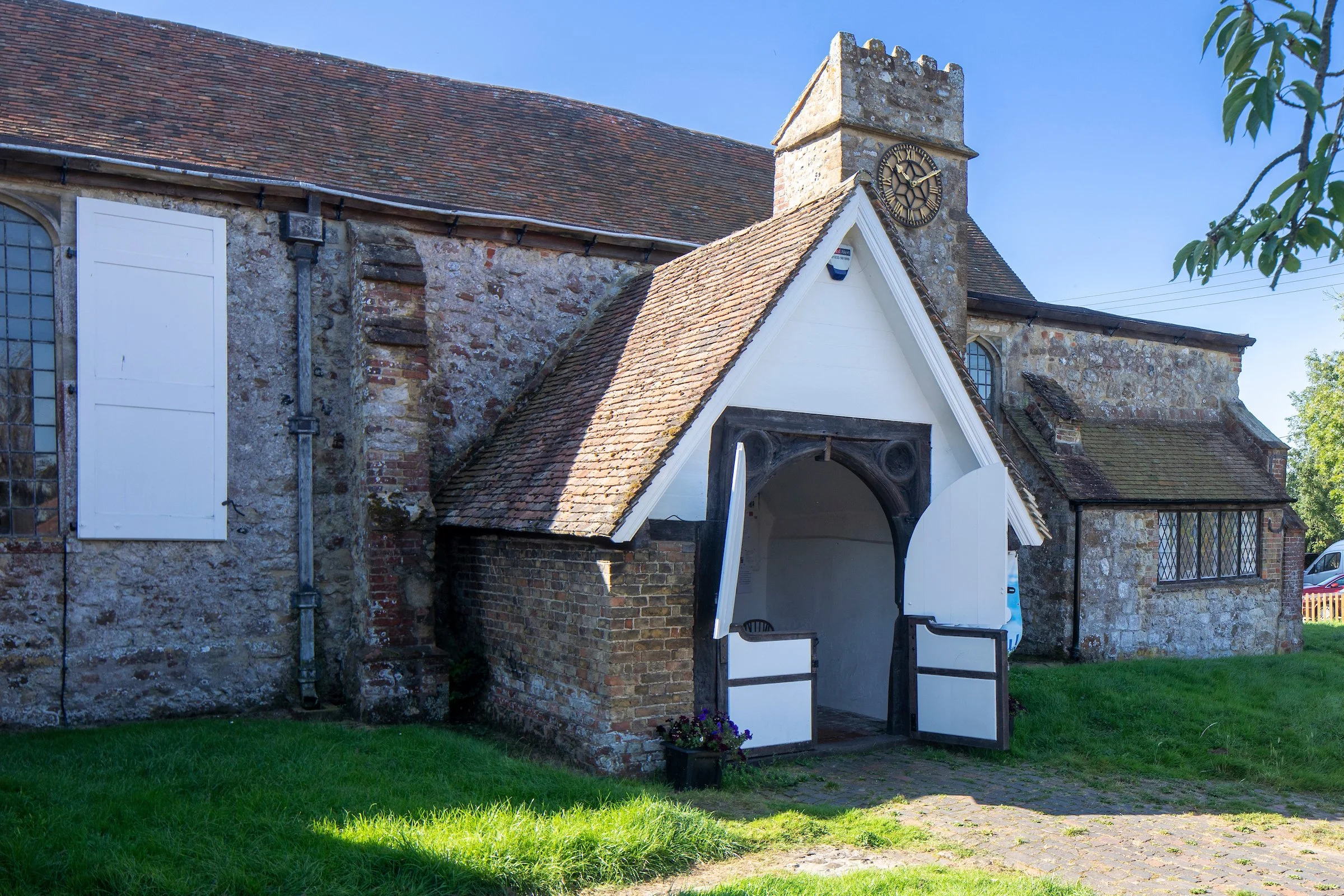
The notorious Aldington Gang, known as the Blues, operated across this part of Kent. Local ‘marsh pilots’ – often lookers or farm workers who knew every ditch, track and obstacle – guided smugglers and their cargo through the landscape. In 1821, a violent confrontation with the authorities became known as the Battle of Brookland, close to St. Augustine’s Church. Several men were killed, and gang leader Cephas Quested was subsequently tried at the Old Bailey and executed at Newgate Prison.
Churches and contraband
The churches themselves were sometimes drawn into this illicit world.
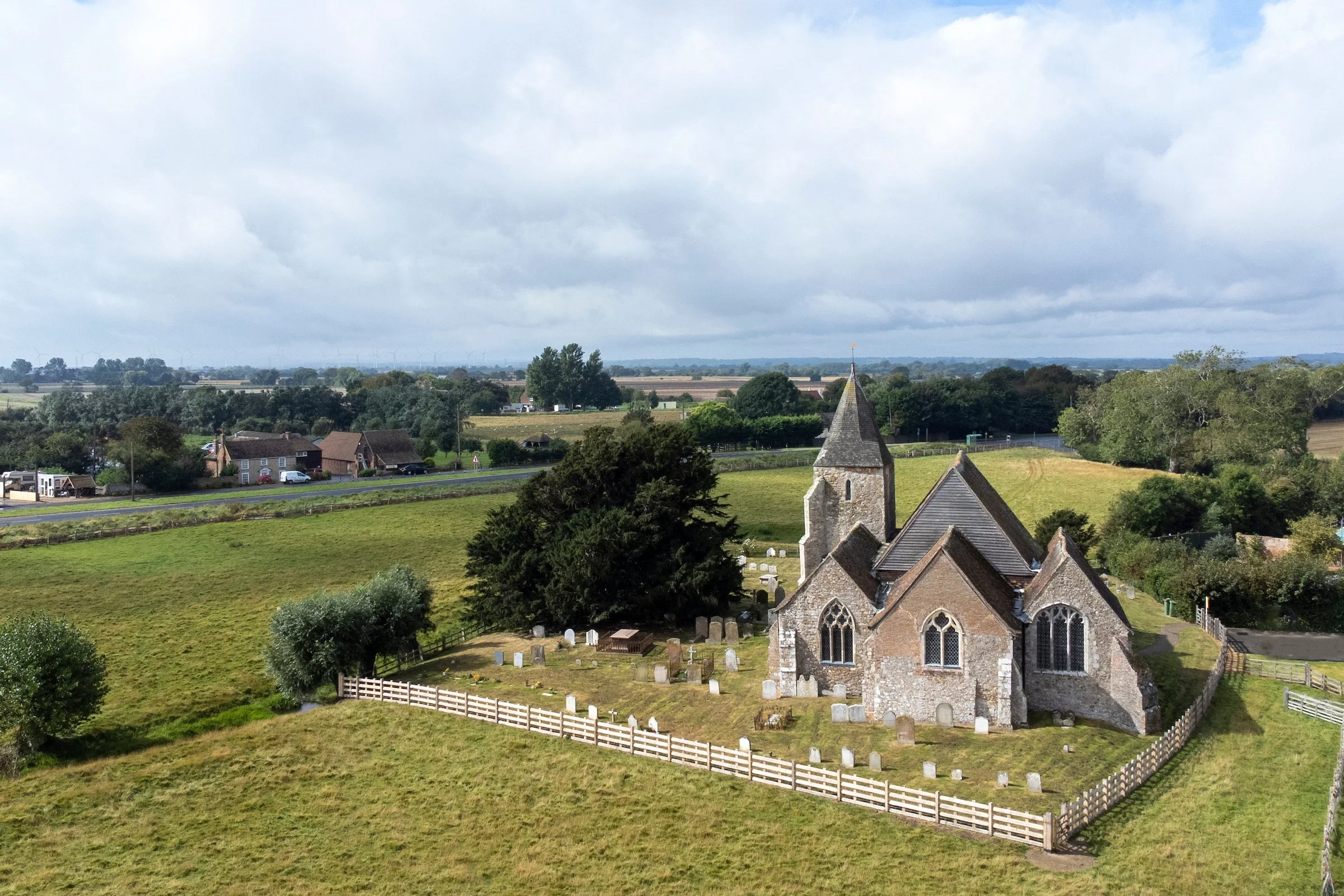
At St. Dunstan’s, Snargate, Riding Officers discovered a large quantity of tobacco hidden in the belfry in 1743, along with a cask of whisky beneath the vestry table. During the 18th and early 19th centuries, smugglers had another useful hiding place: the eastern end of the south aisle, then closed off from the rest of the church and reached only through an external 15th-century door.
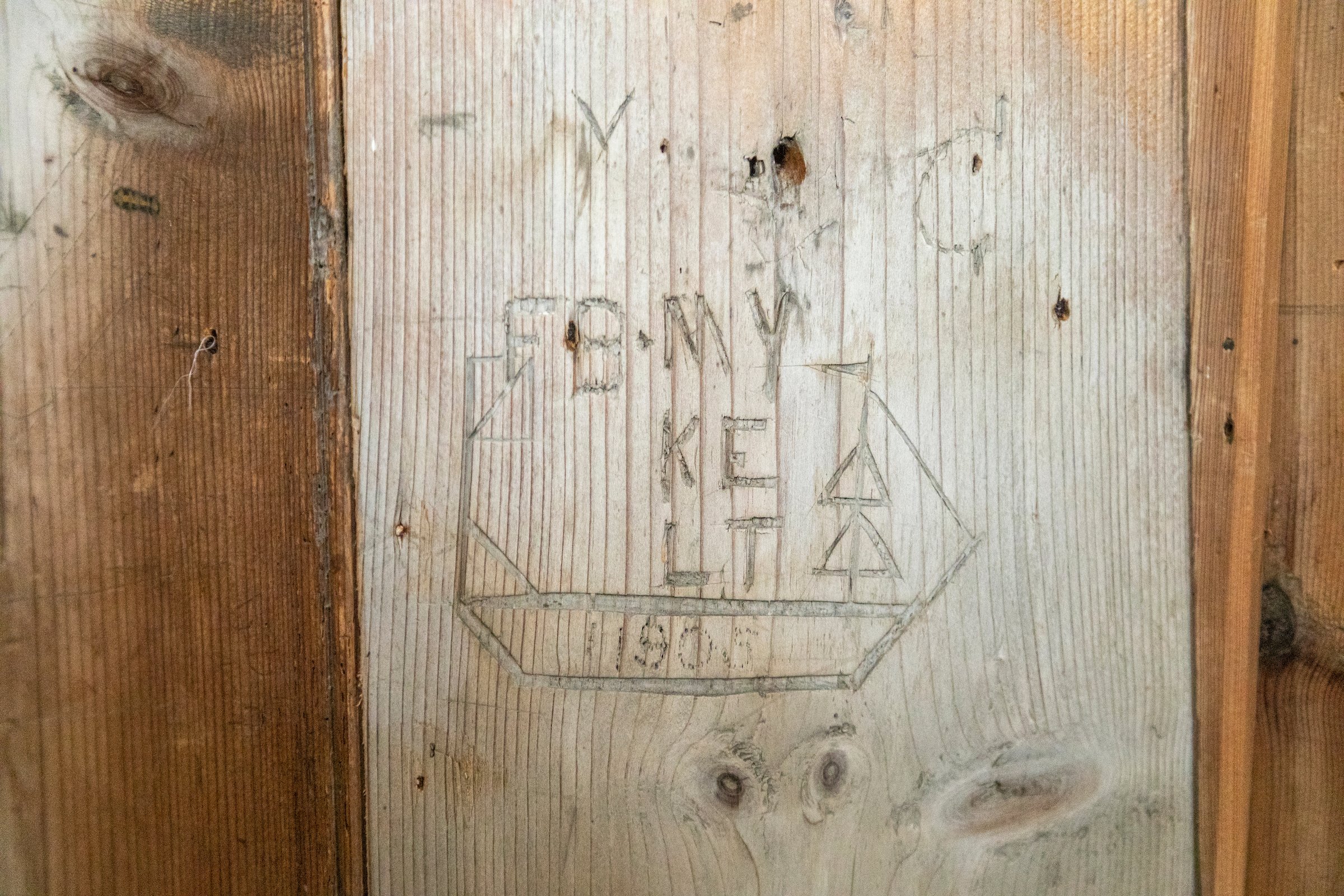
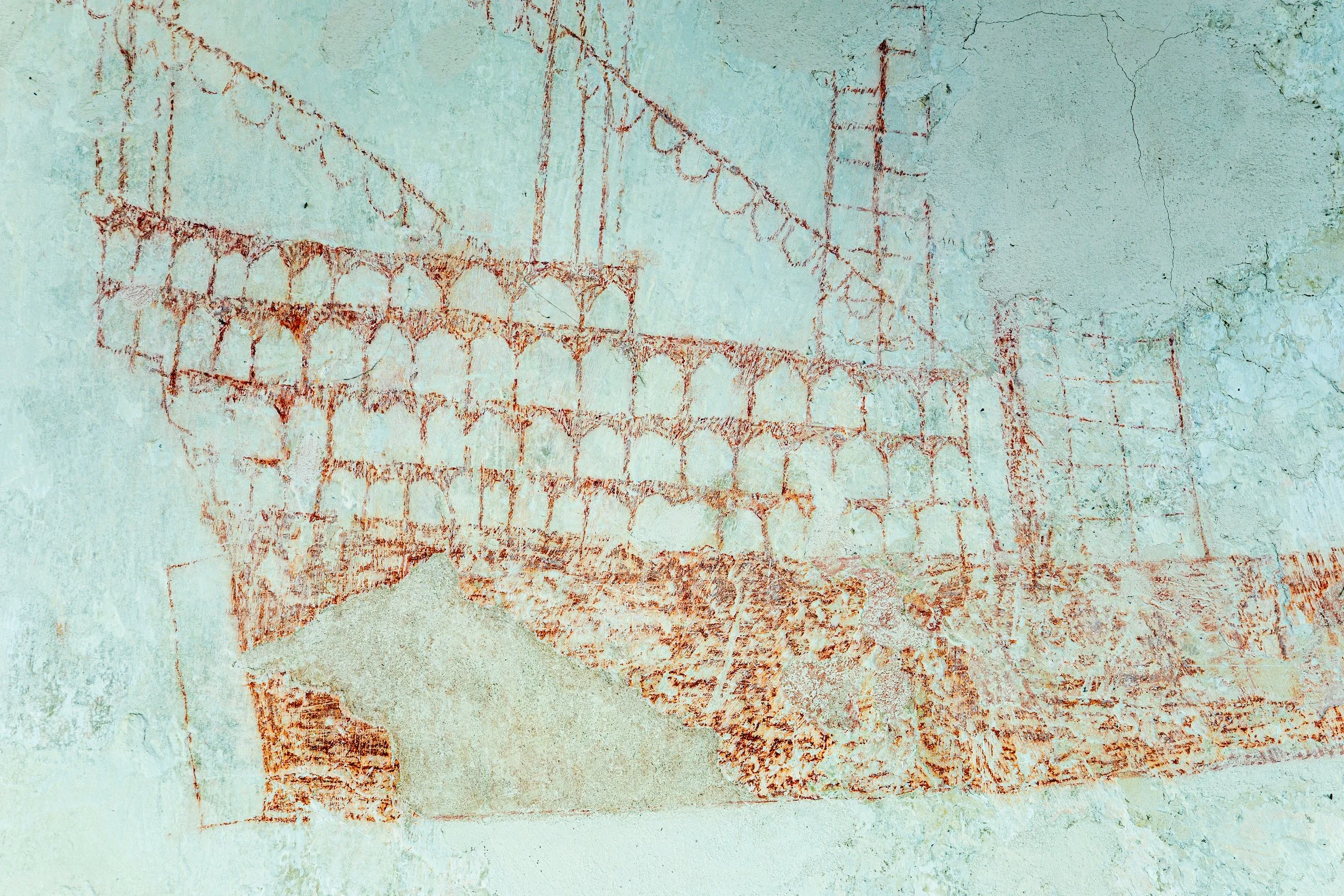
Snargate contains another intriguing link with smuggling folklore: a remarkable 16th-century wall painting of a four-masted ship. Local tradition held that images of ships in Marsh churches indicated places where smugglers could safely hide their goods, although the painting is more likely to have been associated with a guild of local shipwrights.
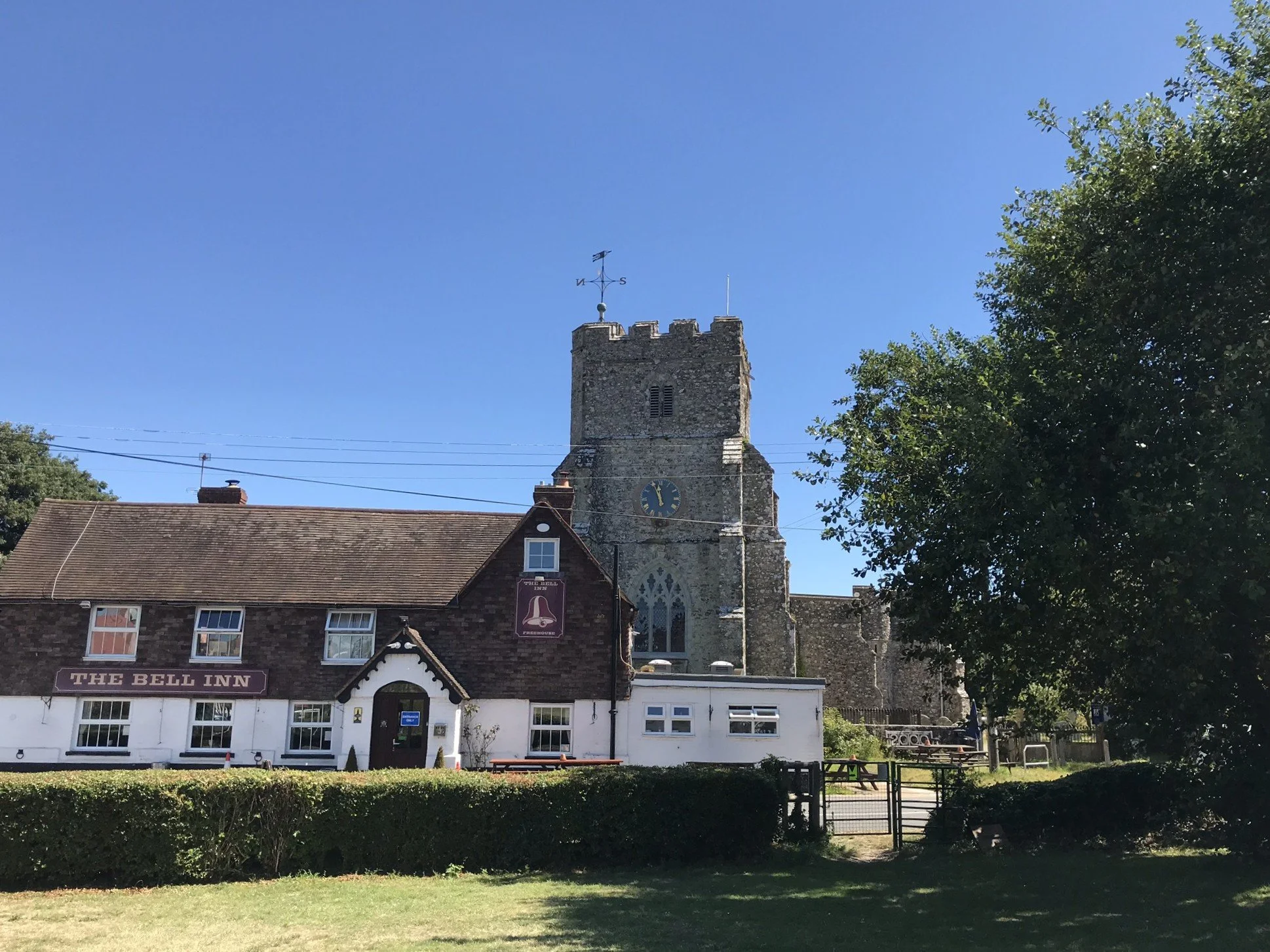
At St. George’s, Ivychurch, the quiet north aisle was used to store contraband and smugglers are believed to have concealed illicit cargo in vaults beneath the floor. When illegal goods were hidden inside, services were reportedly cancelled and the church doors firmly locked.
Local folklore adds another layer to the story, with tales of a secret smugglers’ tunnel linking St. George’s with the neighbouring Bell Inn – although no evidence for such a tunnel has ever been found.
A landscape that inspired writers
It is hardly surprising that this mixture of real history, secrecy and folklore captured the imagination of writers.
Rudyard Kipling was fascinated by the Marsh and its smuggling traditions. His poem Brookland Road evokes the landscape around Brookland and Fairfield and mentions the bells of Brookland and nearby Fairfield Church. His famous A Smuggler’s Song captures the secrecy and complicity surrounding the trade and a world in which local people knew when not to ask questions.
Perhaps the Marsh’s most famous fictional smuggler, however, is Dr Syn, created by Russell Thorndike. By day Syn is the respectable vicar of Dymchurch; by night he becomes the mysterious Scarecrow, leading a band of smugglers across the Marsh and outwitting the Revenue men.
The stories drew upon a landscape already rich in genuine tales of smuggling and helped turn this history into one of Romney Marsh’s most enduring legends.
Dr Syn and Old Romney
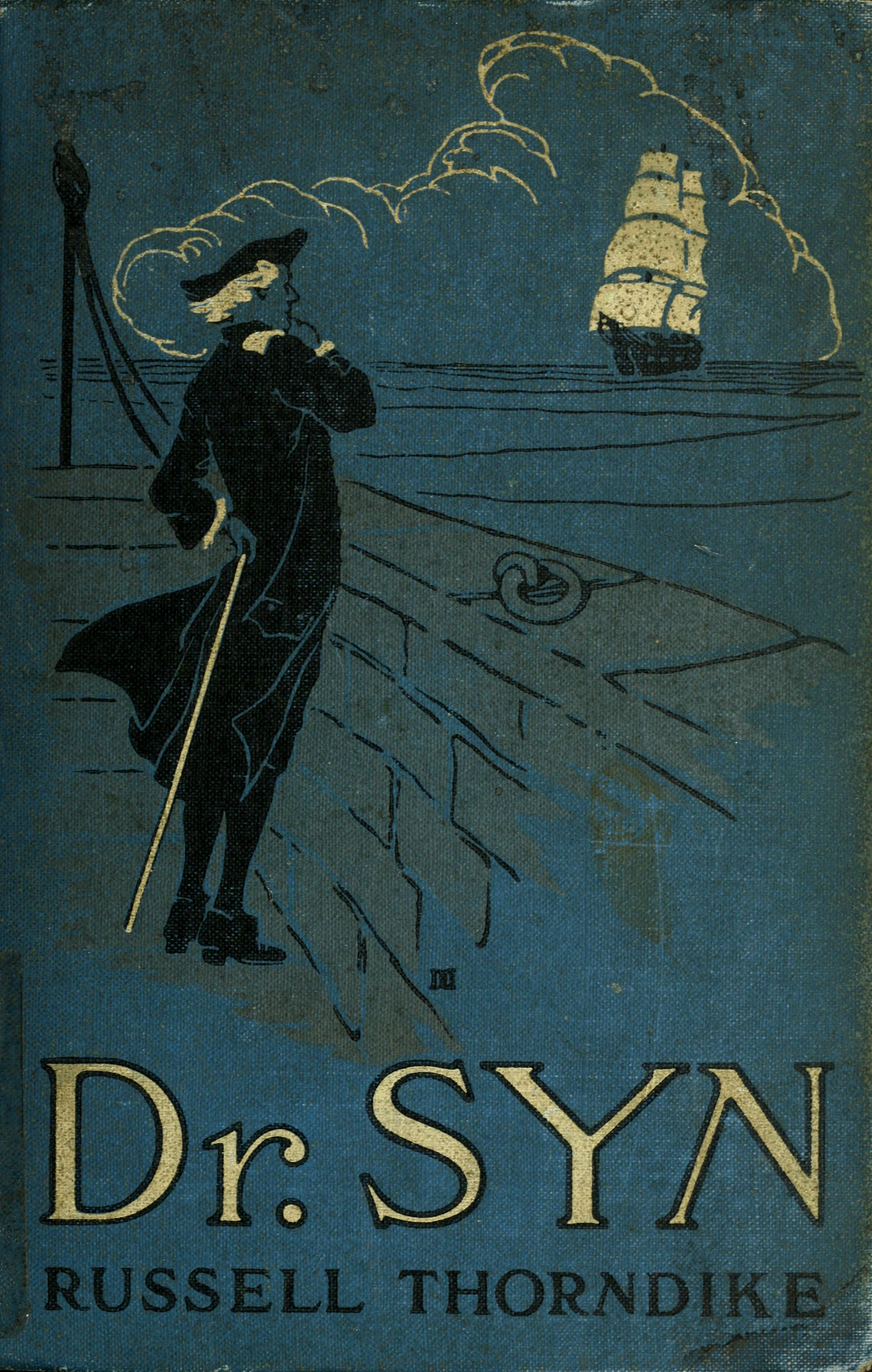
Cover of the novel Doctor Syn (1915) by Russell Thorndyke, published by Doubleday, Page & Company (Garden City, New York). Via Wikimedia Commons.
The connection between the Marsh churches and Dr Syn became particularly tangible in the early 1960s.
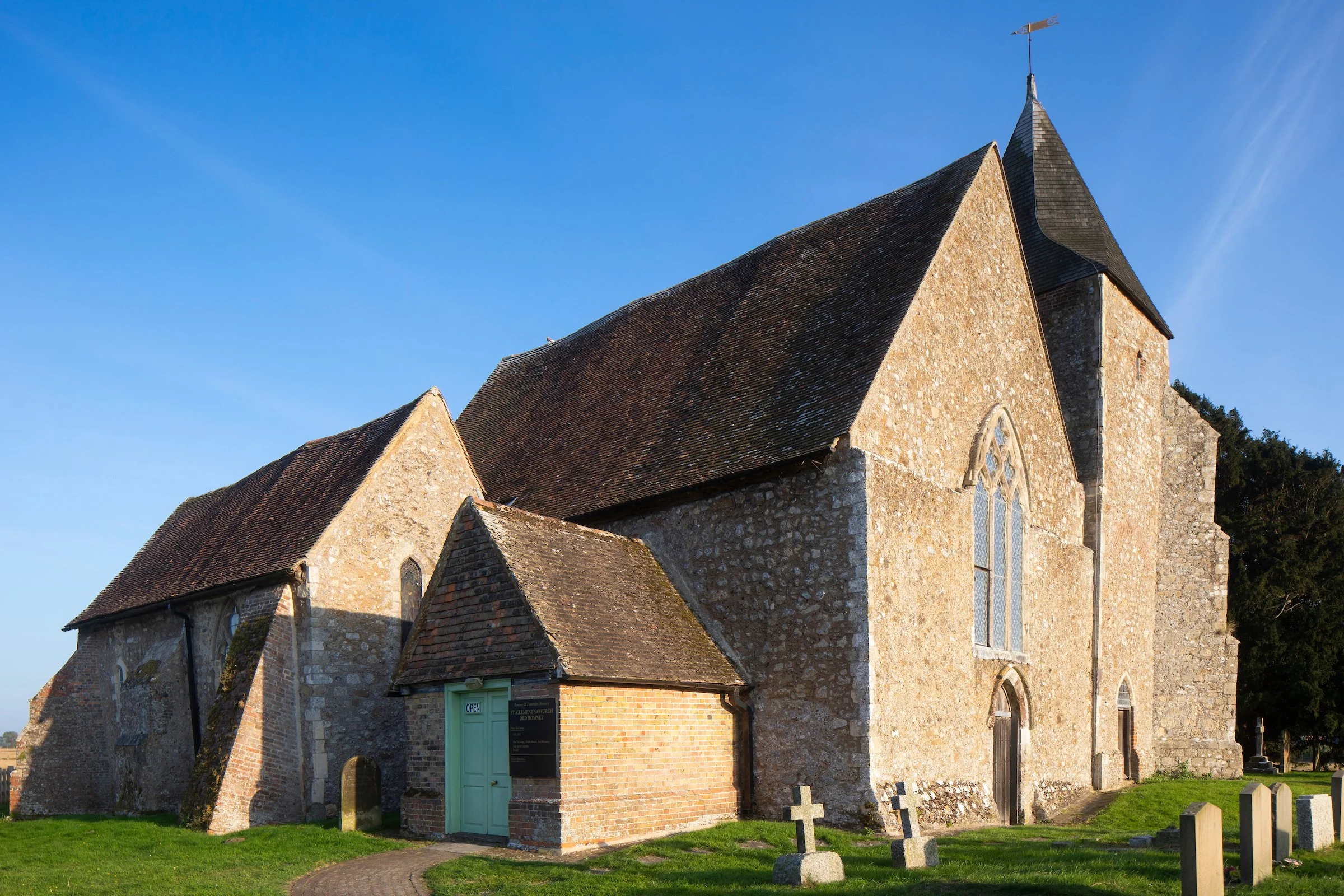
By the 1950s, before the days of Romney Marsh Historic Churches Trust, St. Clement’s at Old Romney was in serious disrepair and there were fears that the ancient church might become redundant. Restoration began in 1959, but the available funding ran out before the work could be completed.
An unlikely rescuer then arrived - Walt Disney Productions!
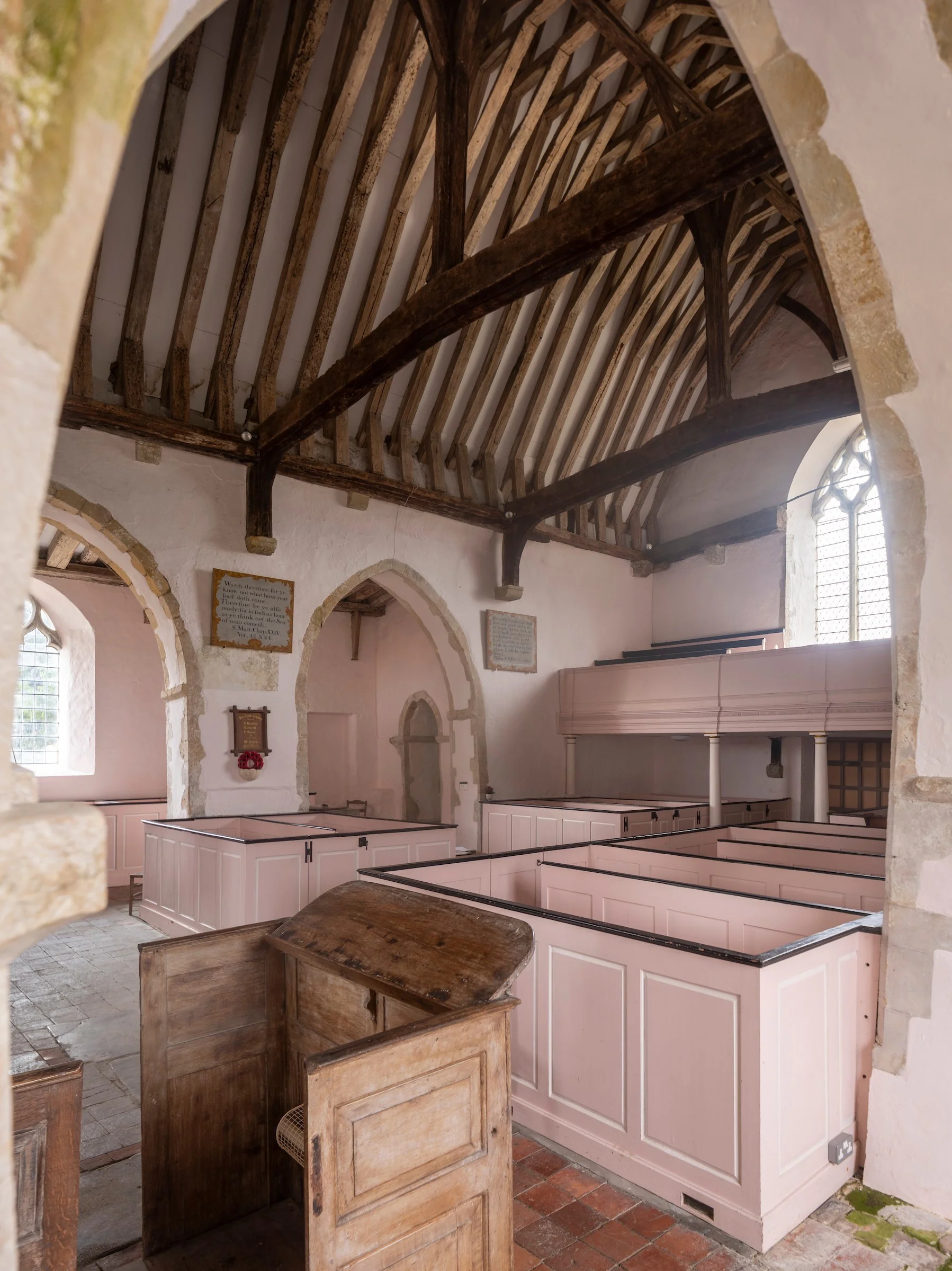
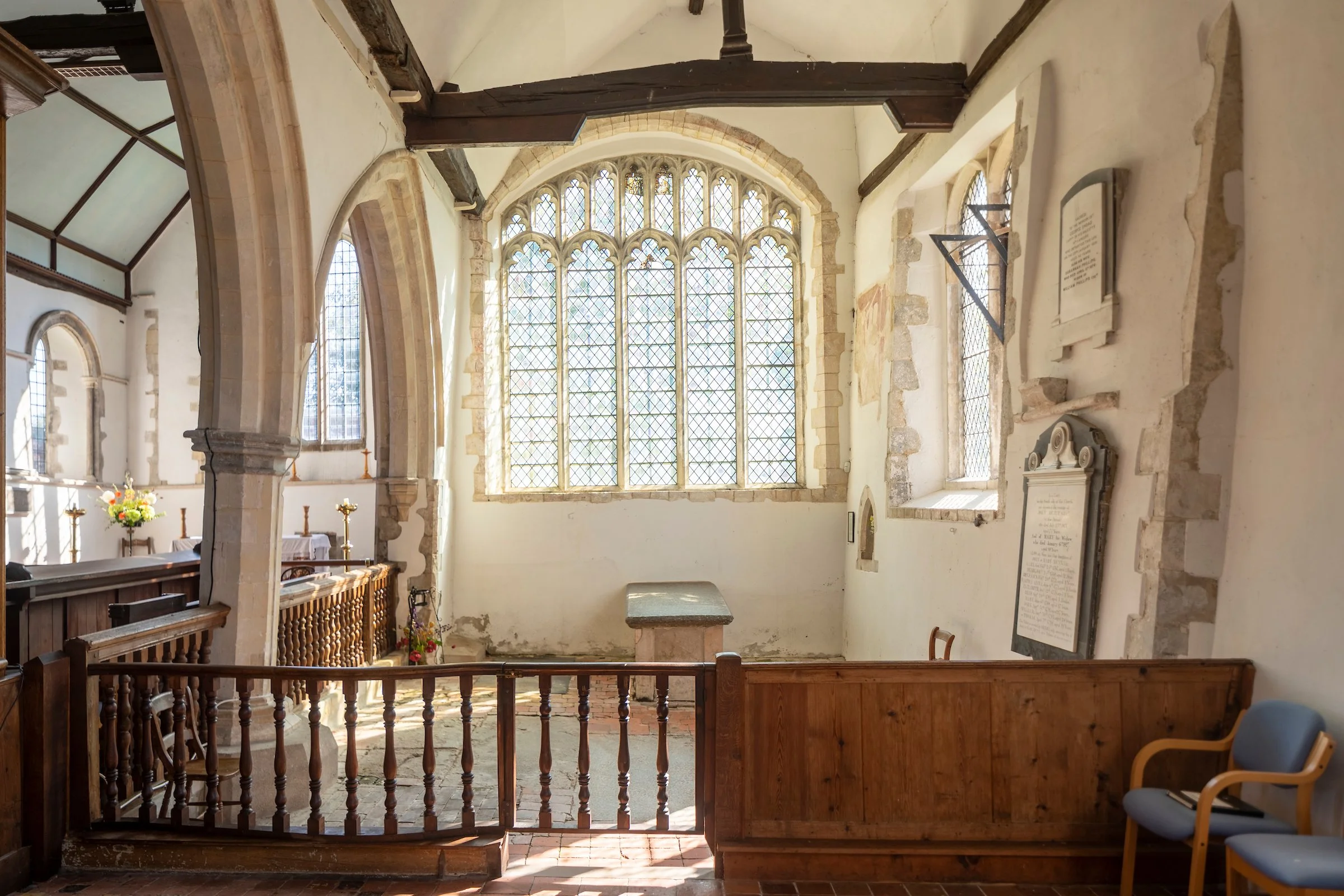
St. Clement’s was chosen for the church scenes in Disney’s Dr Syn: The Scarecrow of Romney Marsh. Filming in Technicolor required brighter colours, so its grey box pews were painted the distinctive pink visitors still see today. The stairs to the west gallery were renewed for filming, and Disney made a generous donation that enabled the restoration work to be completed.
More than 60 years later, St. Clement’s provides a remarkable physical link between the real history of Romney Marsh, the stories it inspired and the continuing legend of Dr Syn.
Why the survival of these churches matters
From hidden tobacco at Snargate and tales of contraband at Ivychurch to Kipling’s Brookland and Disney’s Old Romney, the Marsh churches preserve much more than remarkable architecture. Their survival also preserves the history, stories, folklore, literature and traditions that make Romney Marsh such a distinctive place.
Without these buildings, an important physical connection to centuries of Marsh life would be lost. Standing inside churches where contraband was once hidden, seeing the landscape that inspired writers such as Rudyard Kipling and Russell Thorndike, or sitting among the pink pews painted for Disney’s Dr Syn brings this history to life in a way that books alone cannot.
This is why the work of Romney Marsh Historic Churches Trust is so important. By helping to conserve these ancient buildings, the Trust is also helping to safeguard the wider cultural heritage and collective memory of the Marsh for future generations.
You can help ensure these remarkable churches – and the stories they hold – survive by becoming a member of Romney Marsh Historic Churches Trust, making a donation, or by leaving a legacy gift in your will. Your support helps us continue our work keeping the extraordinary heritage of the marsh churches alive.