
Places of Remembrance
As Remembrance Sunday events approach on 8 November, the medieval churches of Romney Marsh offer places for reflection, remembrance and connection with the past. From wartime bombing and military service to memorials honouring those who lost their lives, these historic buildings preserve important stories of sacrifice, resilience and community.
For centuries, the churches of Romney Marsh have been at the heart of local life, bringing people together through times of celebration, hardship and loss. During the two World Wars, their communities faced extraordinary challenges, and the churches themselves were sometimes directly affected by the conflict.
Today, they remain important places of memory, preserving the stories of those who served, those who never returned and the communities that endured.
Lydd: A church devastated by bombing
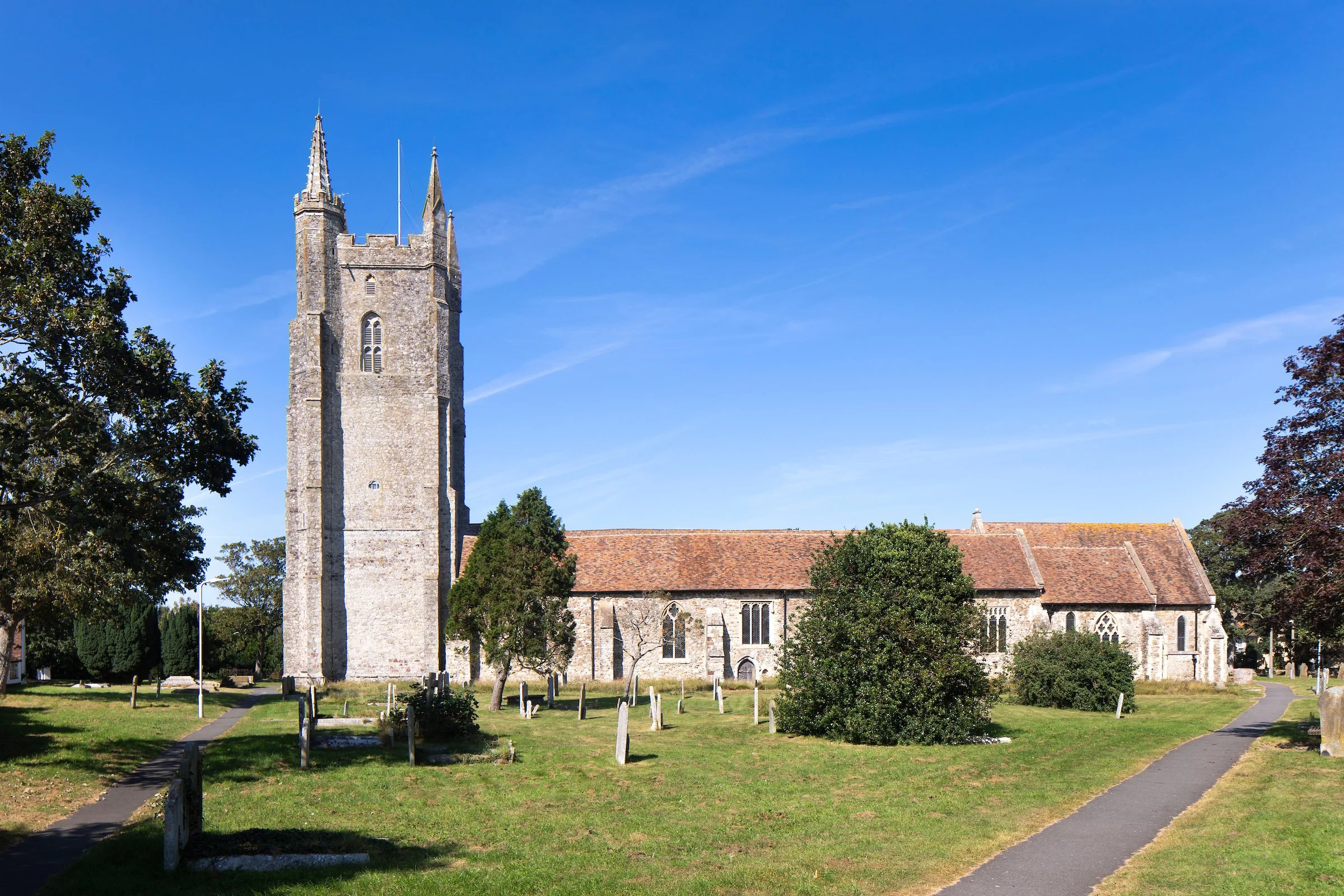
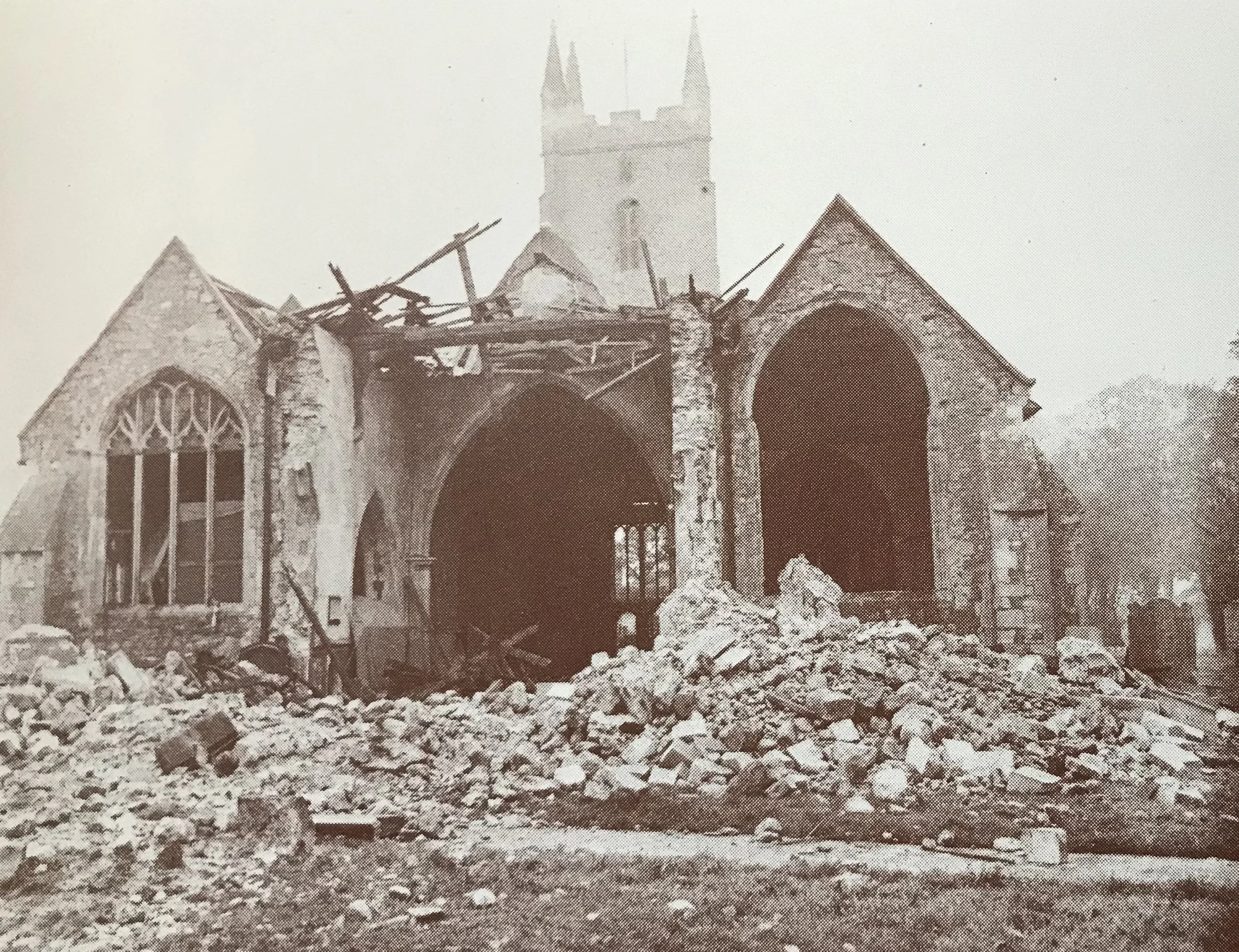
At All Saints' Church, Lydd, the Second World War left a devastating mark.
In October 1940, German bombing destroyed the church's east end and caused extensive damage to its roof and windows.
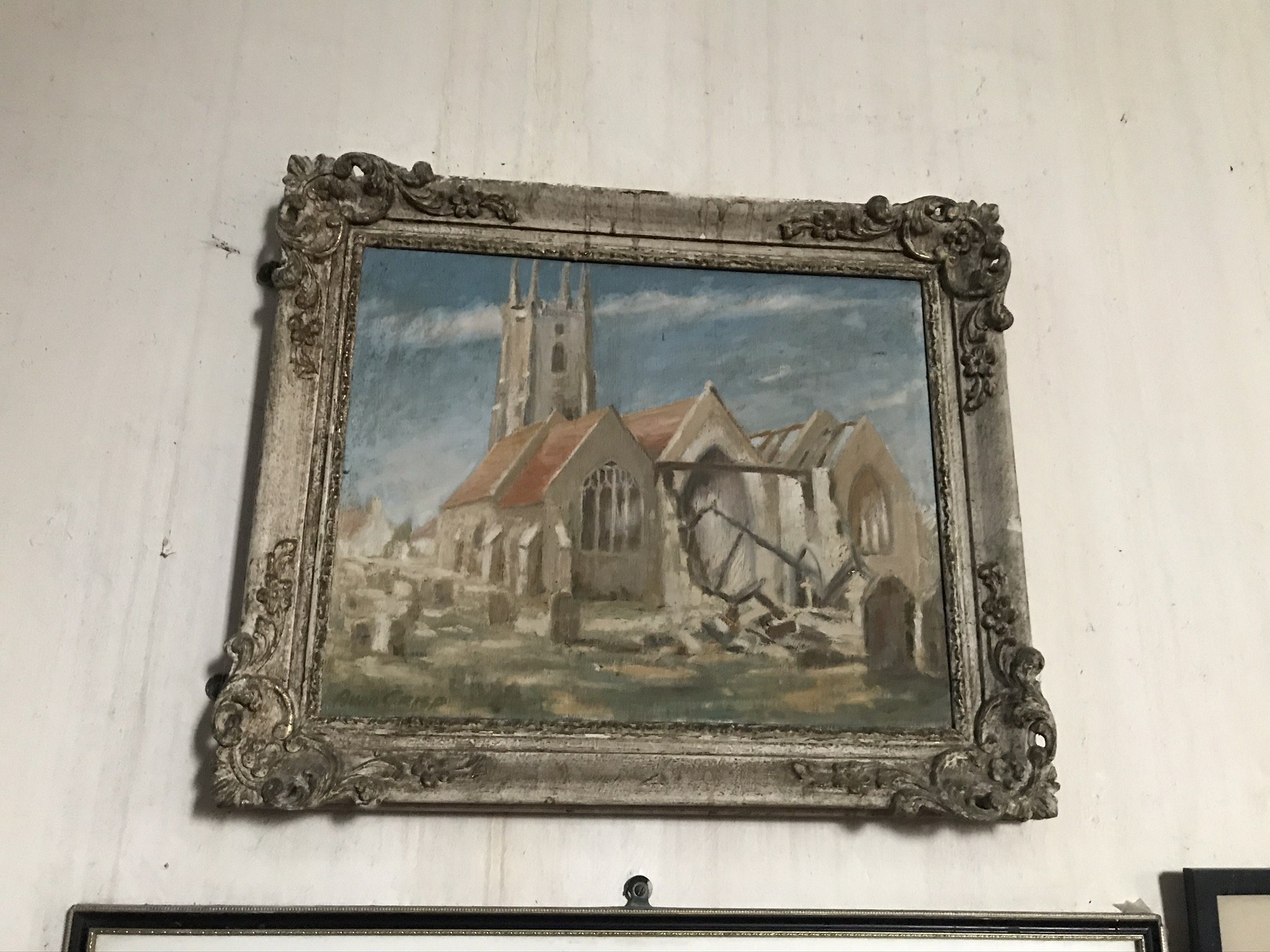
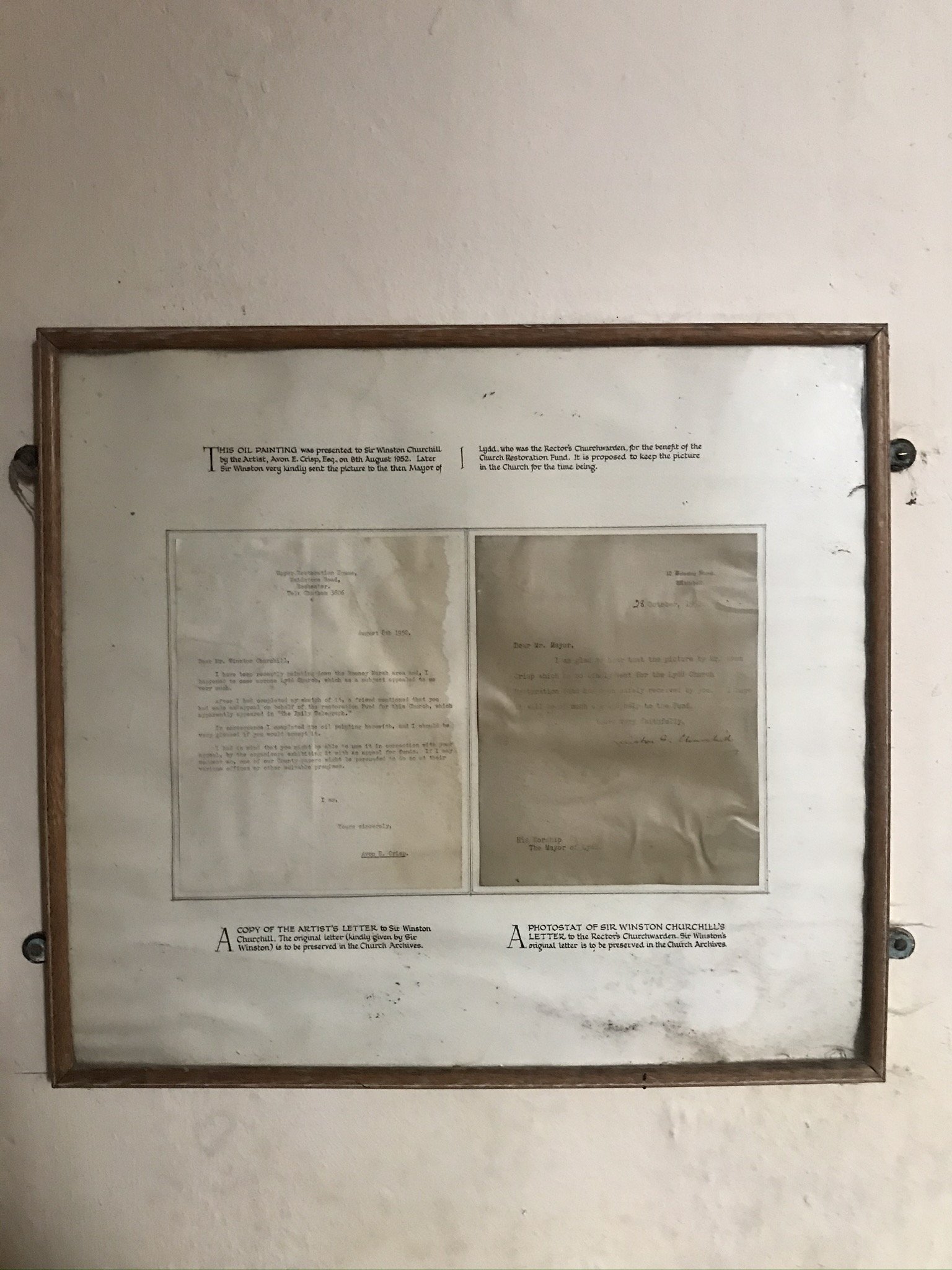
The local community began raising funds for reconstruction, and a painting depicting the destruction was sent to Winston Churchill, then Prime Minister and Lord Warden of the Cinque Ports, appealing for assistance. Remarkably, both the painting and Churchill's letter can still be seen inside the church today.
All Saints' was finally re-hallowed in 1953, following years of restoration work. Its survival is a testament to the determination of the local community to preserve this extraordinary building.
Ivychurch: A wartime lookout
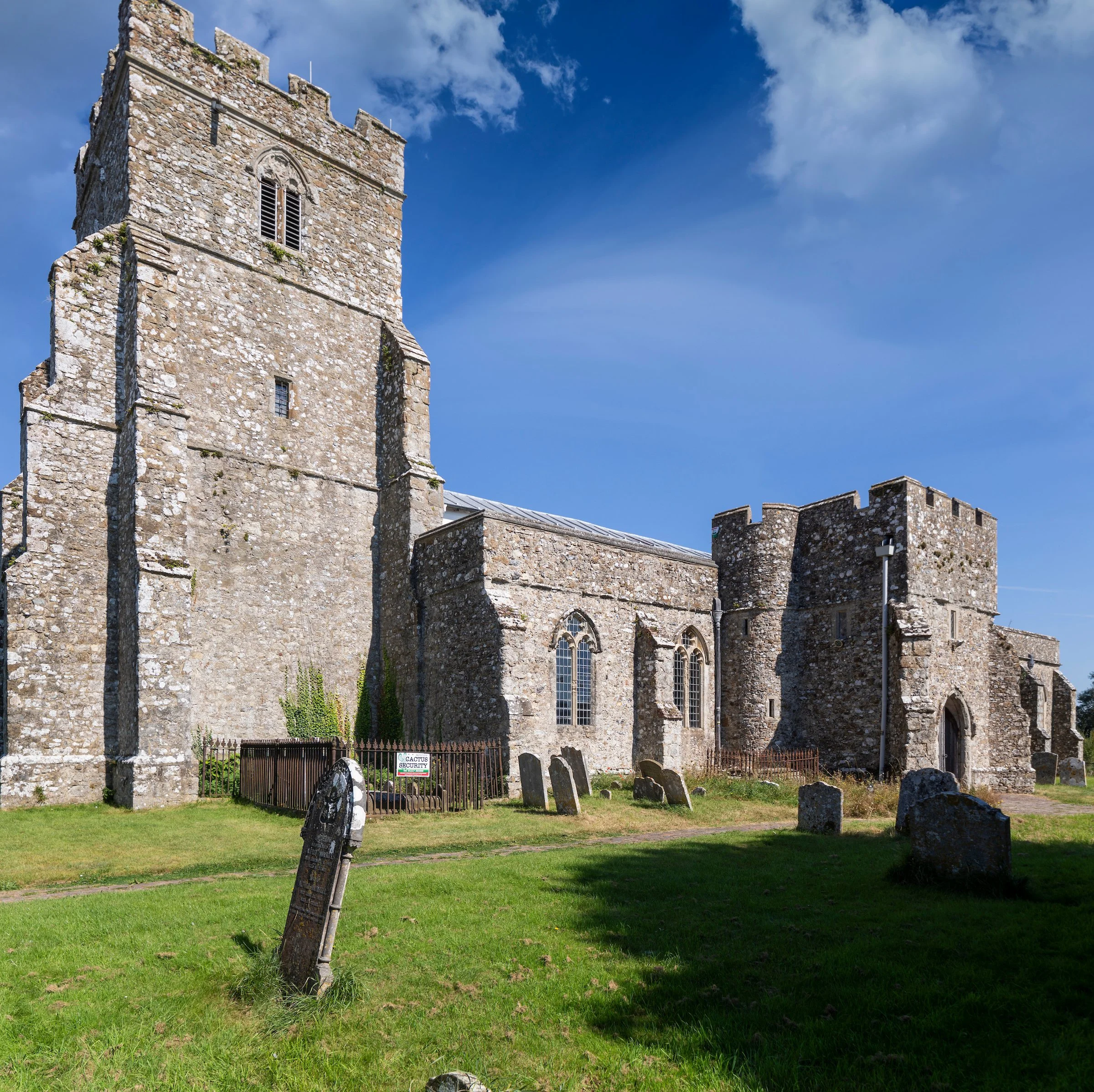
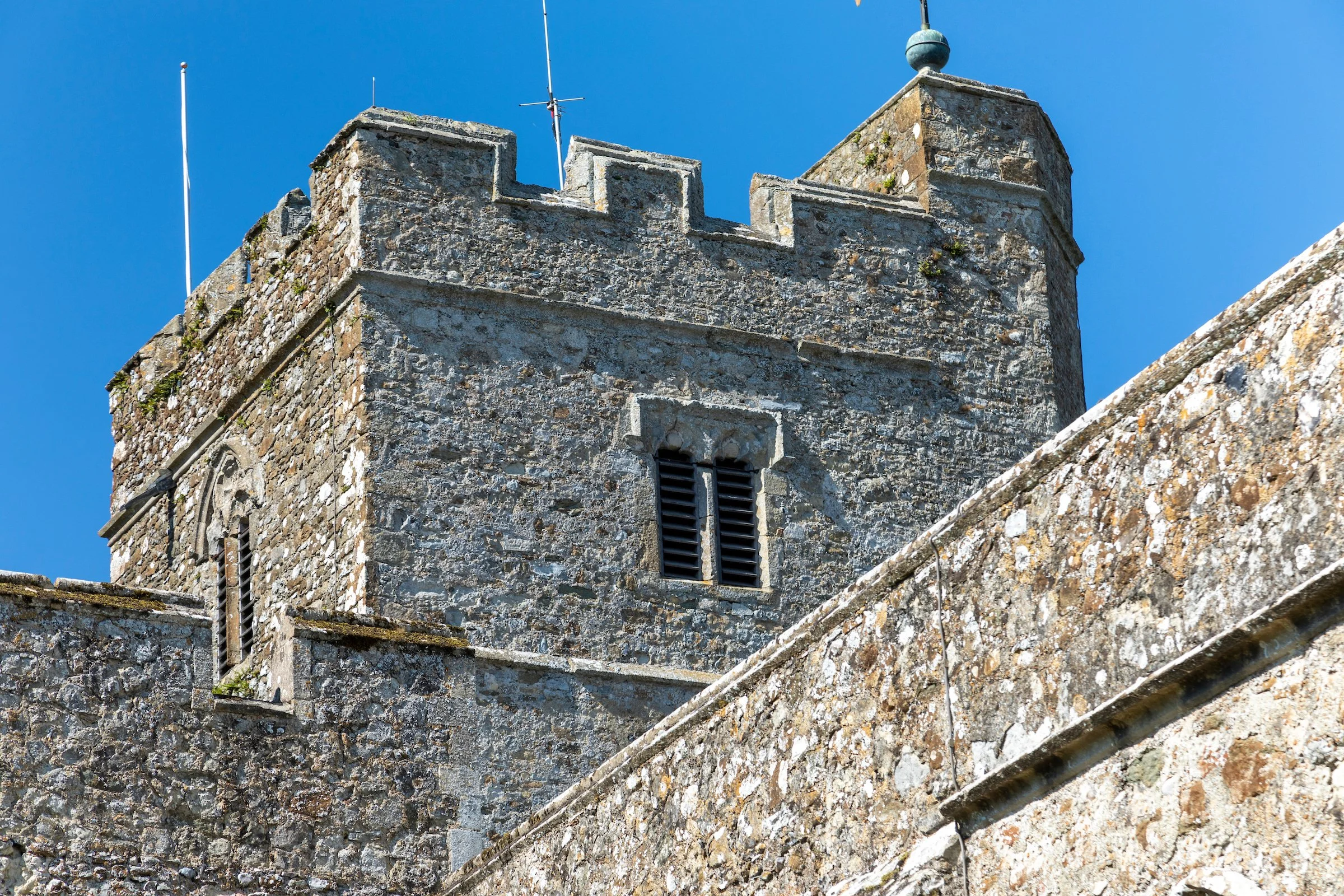
At St. George's Church, Ivychurch, the medieval tower served as a nightly lookout post for the Home Guard, while emergency food rations were stored in the Parvis Chamber above the porch.
The church was also badly damaged during the conflict. Bombing in October 1940 shattered windows, while a V1 flying bomb caused further damage in July 1944. Already suffering from longstanding structural problems and deterioration, St. George’s was left in a perilous condition by the end of the war, with its roof and windows badly damaged and the building increasingly exposed to the elements. The church fell into such a state of disrepair that it could no longer be used for worship, remaining closed for several years until essential repairs enabled it to reopen in 1948.
Today, the Romney Marsh Historic Churches Trust continues to support the preservation of St George’s, contributing more than £319,000 towards its care over the years. Most recently, the Trust has supported a major programme of stonework restoration, alongside other essential repairs to the building. This ongoing investment helps ensure that the church, its remarkable architecture and the history it holds can be enjoyed by future generations.

Remembering the fallen
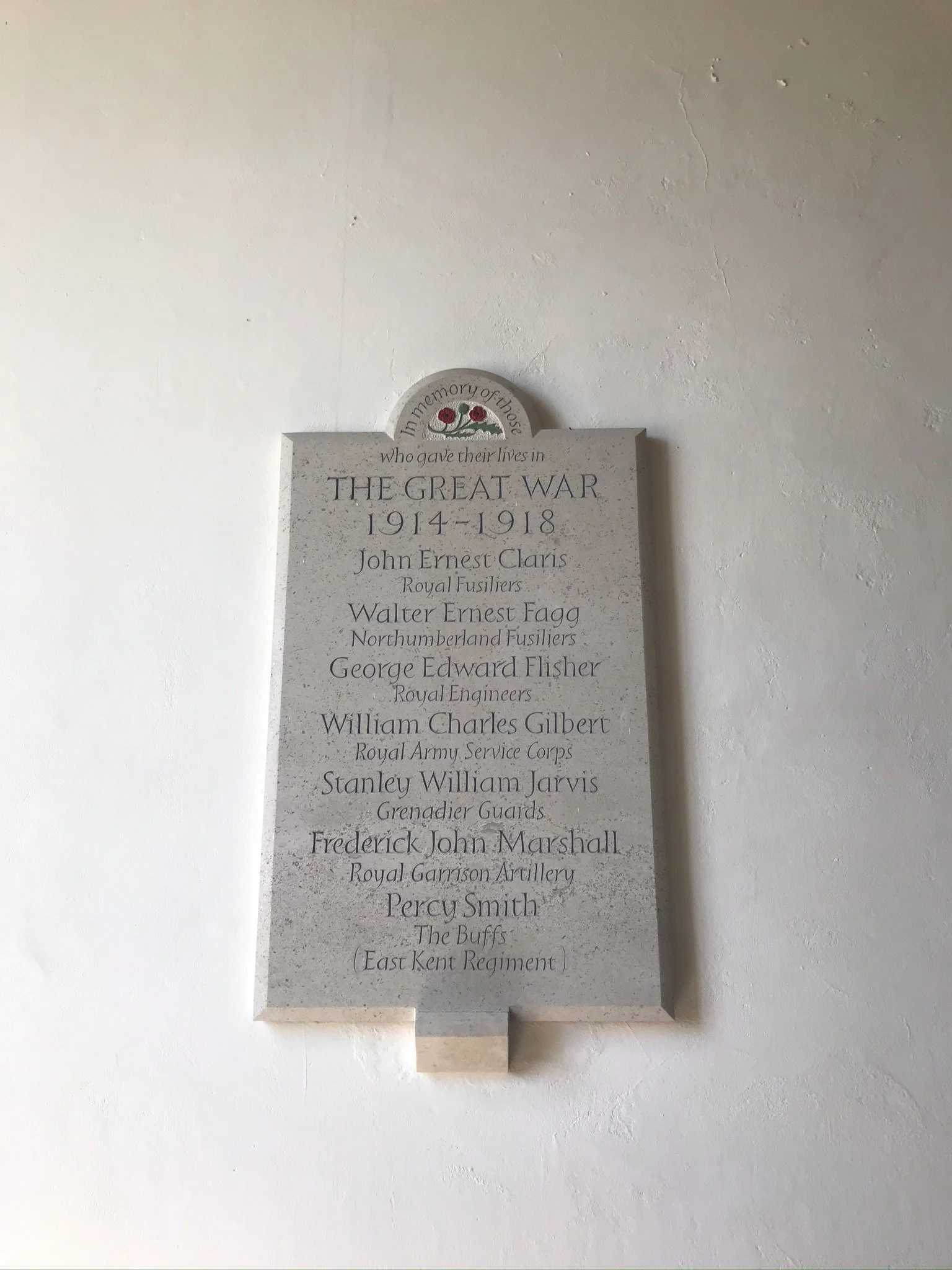
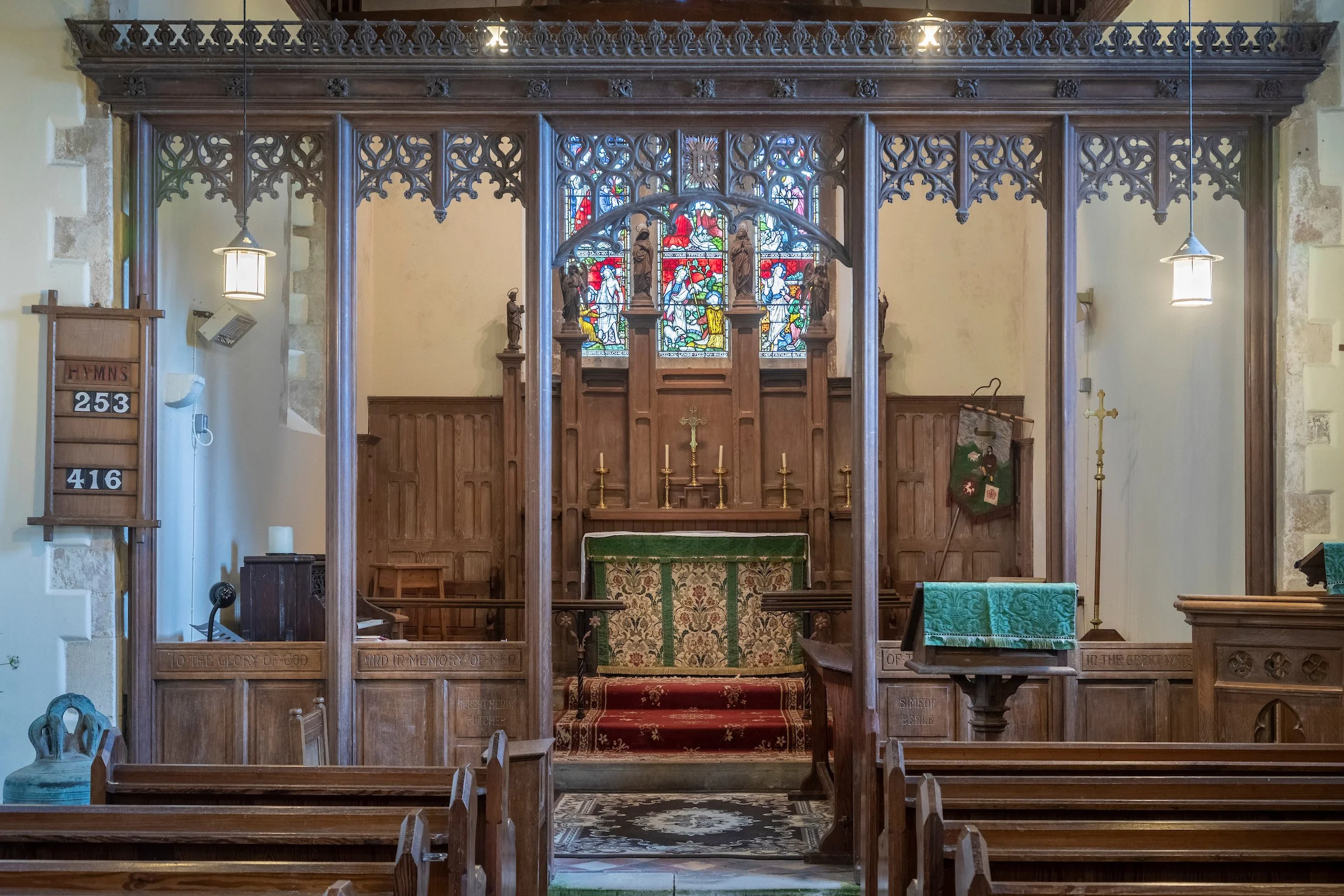
At All Saints' Church, Burmarsh, remembrance is woven into the building itself.
A decorative screen separating the nave from the chancel was erected in 1923 as a memorial to two local men who lost their lives during the First World War.
For small rural communities, the loss of even a handful of young men could have a profound and lasting impact. Memorials such as this continue to provide a focus for reflection more than a century later.
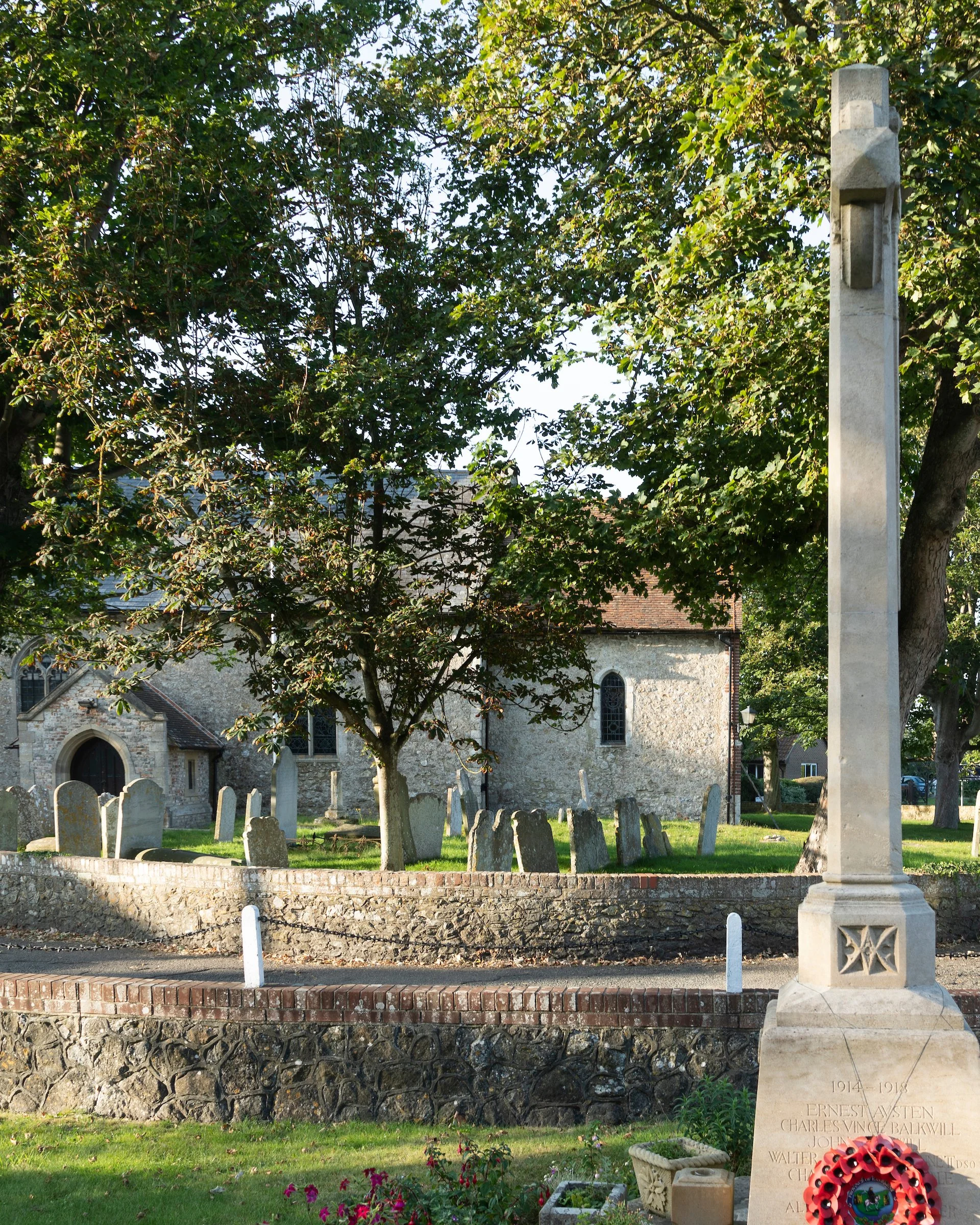
Nearby, at Dymchurch, St Peter and St Paul's Church stands close to the village war memorial, while St Augustine's Church at Snave lies near Johnson's Corner Memorial, commemorating the extraordinary bravery of American pilot Lieutenant William H. Johnson. On 13 April 1944, his B-17 Flying Fortress was severely damaged by enemy fire during a bombing mission over Germany. After reaching Kent, Johnson ordered his crew to parachute to safety, but remained at the controls of the stricken aircraft. Realising that it was heading towards the village of Hamstreet, he steered it away from the houses, sacrificing his own life to save those on the ground. He was just 23 years old. The memorial, erected near the crash site, continues to honour his courage and sacrifice.
Newchurch: Defending Britain
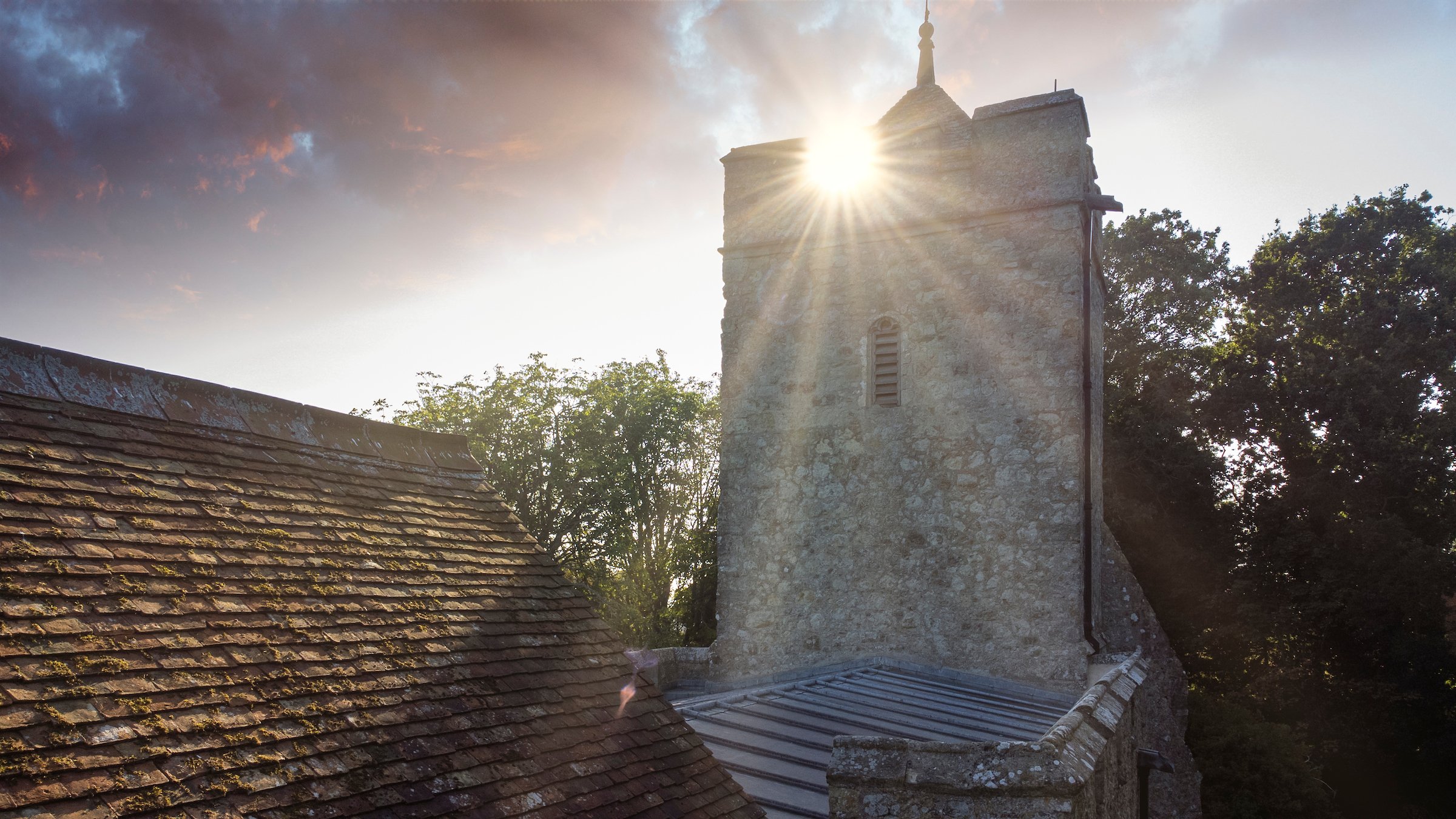
The landscape surrounding St. Peter and St. Paul's Church, Newchurch, played an important role in Britain's wartime defences.
During the 1920s, experimental acoustic listening devices were installed across Romney Marsh to detect approaching aircraft, controlled from a nearby facility known as the Newchurch Hut.
During the Second World War, Newchurch became home to a temporary military airfield, established in 1943 to support preparations for the Allied invasion of occupied Europe. A memorial overlooking the former airfield site commemorates this chapter in the village's history and information boards can also be found in the church.
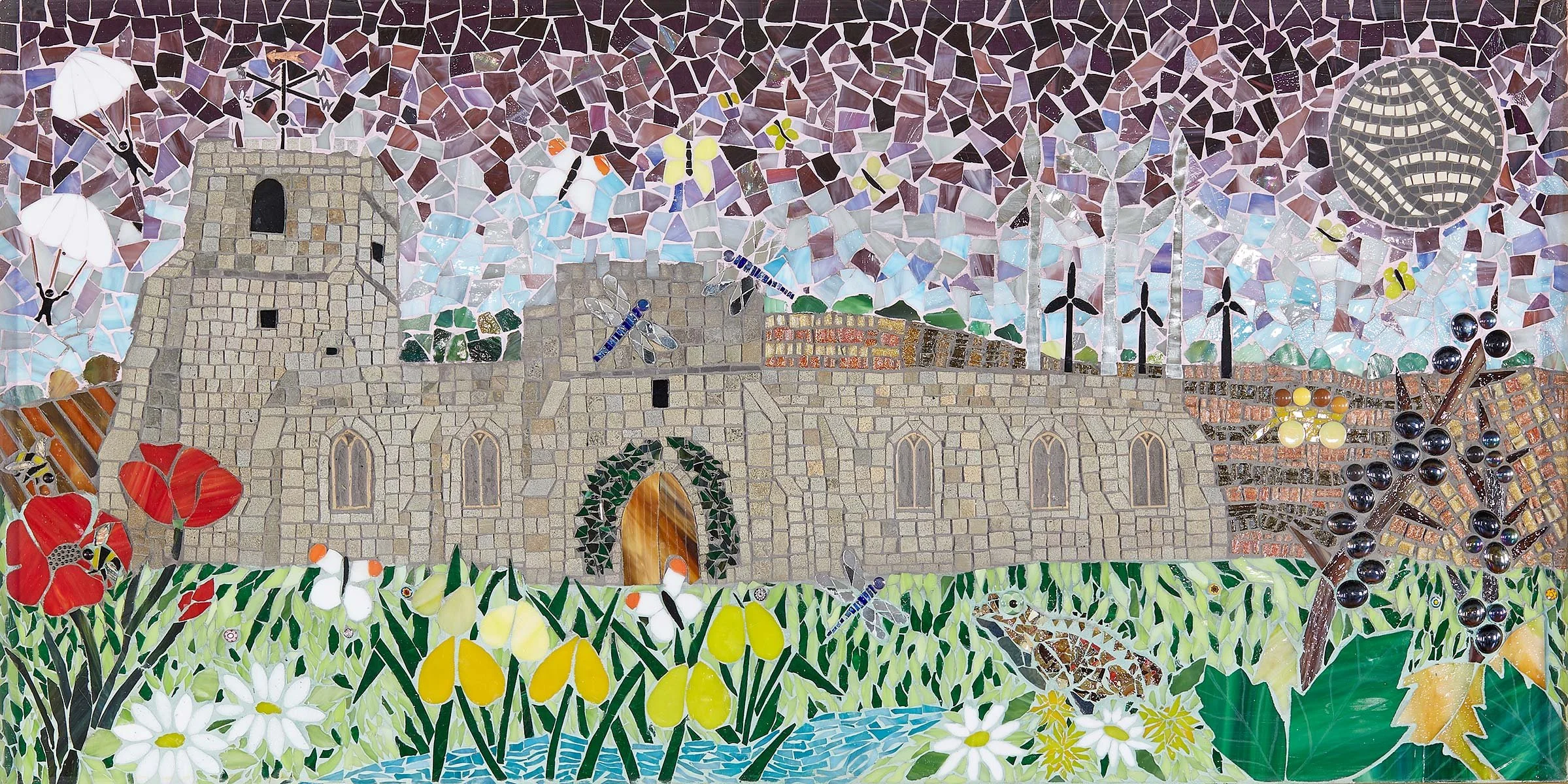
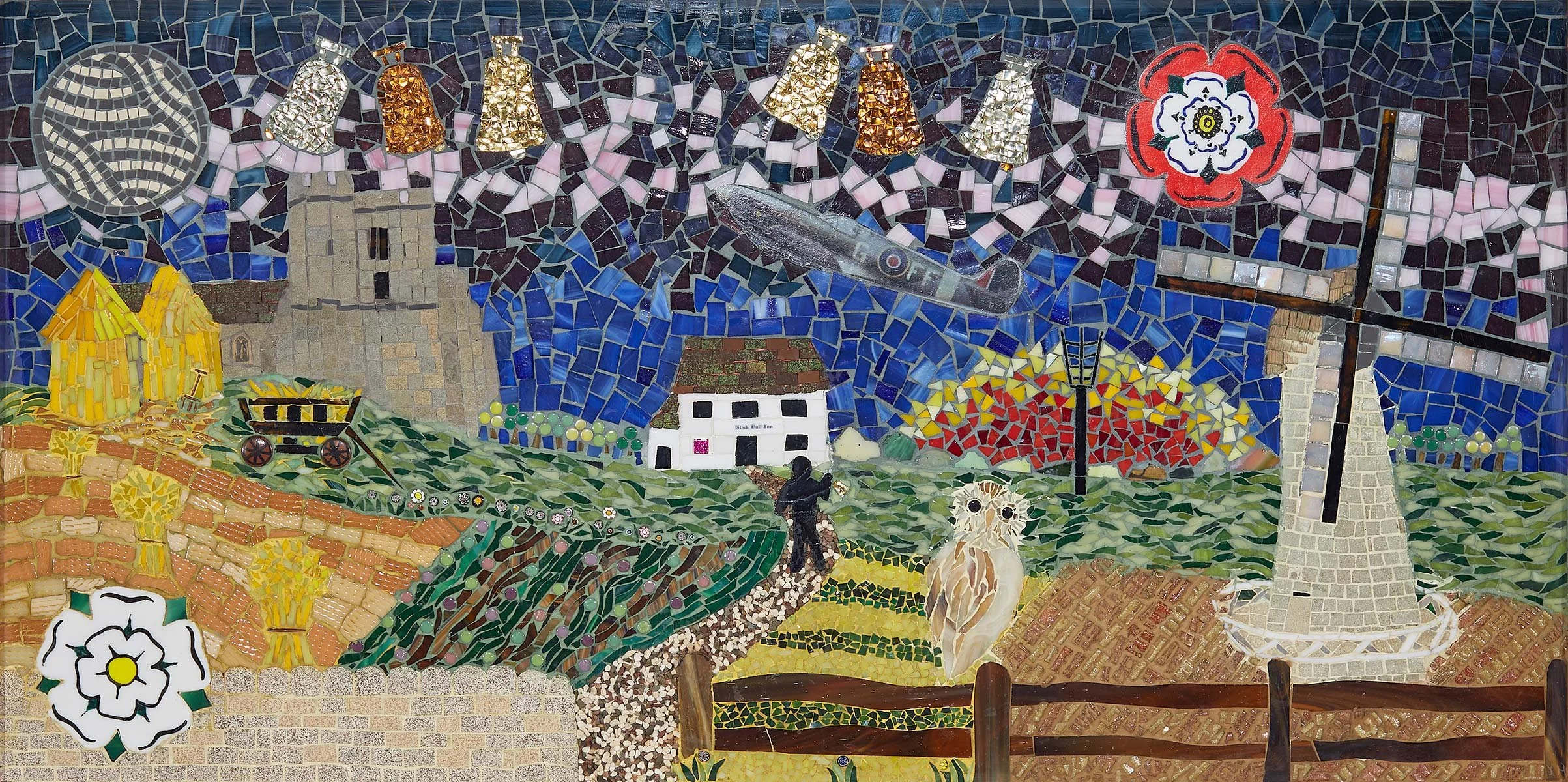
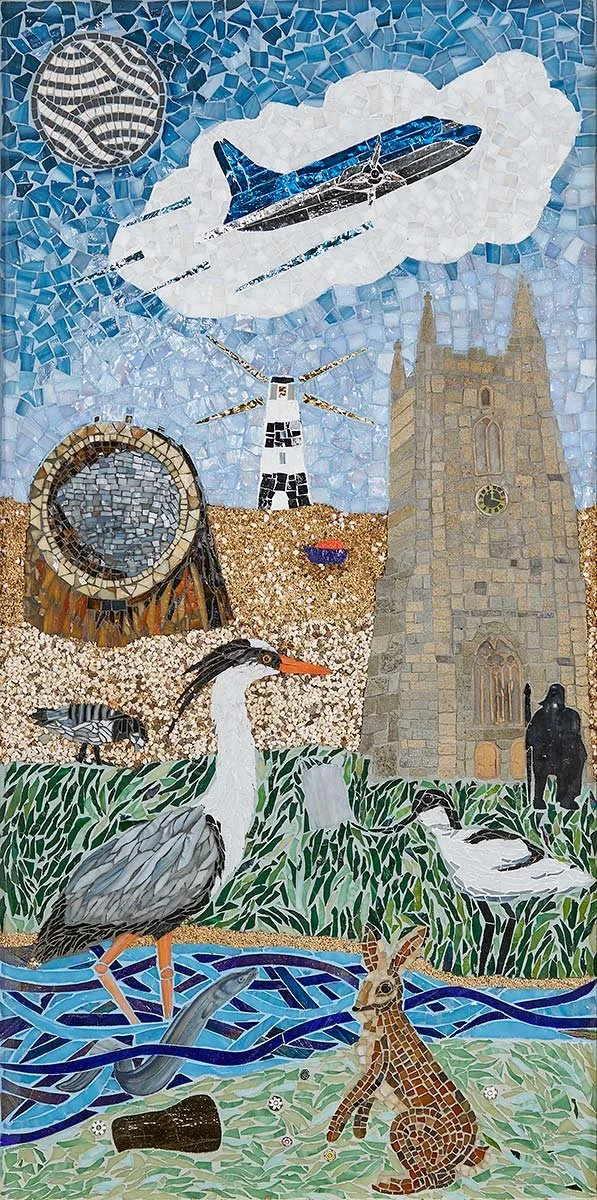
The area's wartime heritage is also captured in The Marsh Mosaics, a series of artworks created by local communities and displayed at the fourteen medieval churches across Romney Marsh. The mosaics for Newchurch and St. mary-ih-the-Marsh feature Second World War Advanced Landing Grounds, while at Ivychurch, two parachutists are depicted, recalling the story of airmen who landed in fields near the church during the war. The Lydd mosaic depicts a sound mirror, one of the large concrete structures used to detect approaching aircraft by reflecting the sound of their engines towards a microphone, providing an early warning system before the development of radar.

Old Romney: Recovery after the war
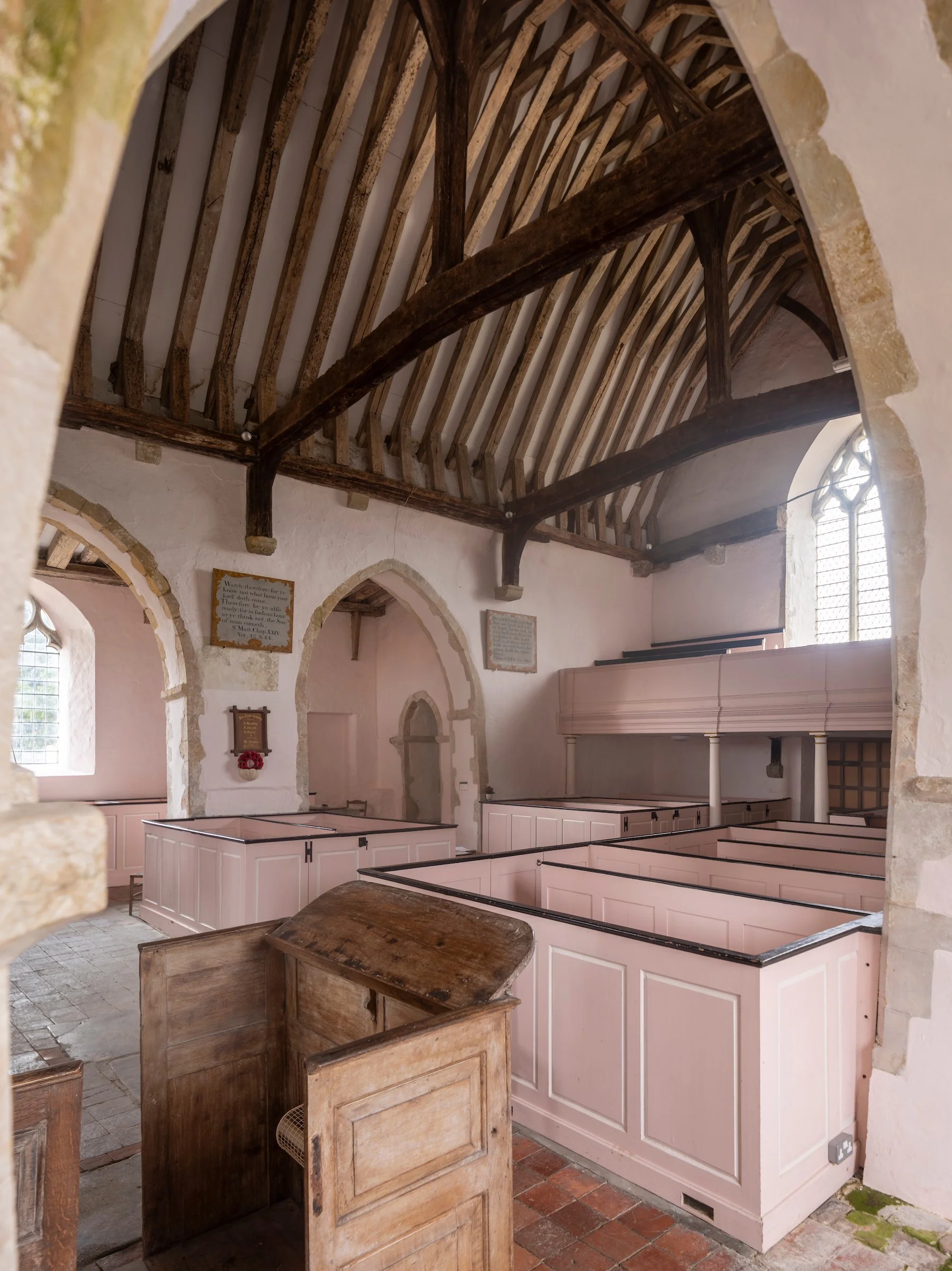
At St. Clement's Church, Old Romney, wartime damage contributed to years of deterioration, leaving the building's future uncertain.
A major restoration campaign began in 1959, with unexpected assistance from Walt Disney Productions, which selected the church as a filming location for Dr Syn: The Scarecrow of Romney Marsh. The production helped fund further restoration, while the distinctive pink box pews, painted for filming, remain a reminder of this unusual chapter in the church's history.
Remembrance Sunday 2026
The churches of Romney Marsh continue to bring communities together each November to remember those who served and died during the World Wars and subsequent conflicts.

On Sunday 8 November at 6.30pm, St Mary the Virgin, St Mary-in-the-Marsh, will hold a special Remembrance Sunday Evensong, led by Andrew Sinden.
The service will include the laying of the Royal British Legion Standard upon the altar, with a trumpeter sounding the Last Post and Reveille. Anyone wishing to lay a wreath is invited to contact a member of the Parochial Church Council.
Other churches and communities across Romney Marsh will also be marking Remembrance Sunday. Please check local parish notices for further details.
Preserving our shared heritage

The fourteen medieval churches of Romney Marsh are places of memory and reflection, preserving the memorials, stories and experiences of generations past. Protecting these remarkable buildings ensures that their history can continue to be shared with future generations.
The Romney Marsh Historic Churches Trust relies on the generosity of its members, donors and volunteers to fund essential conservation and restoration work.
Now is a particularly good time to join. Membership fees for new members will increase from 1 January 2027, but those joining before then can secure the current lower rates, which will continue to apply to existing members.
As we remember the sacrifices of previous generations, please help us preserve the places where their stories live on.