The Cinque Ports and the Churches of Romney Marsh: Preserving a Remarkable Maritime Heritage
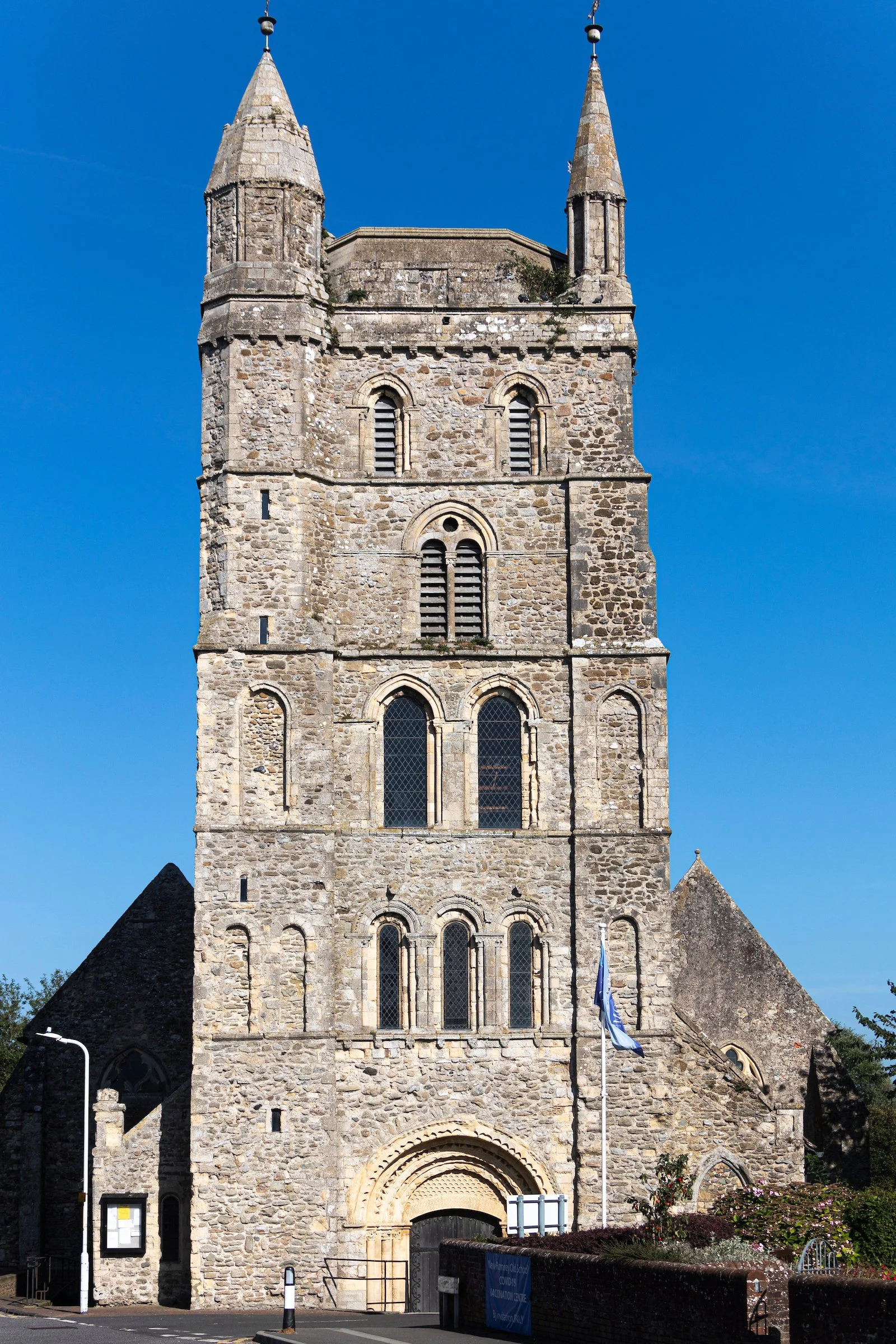
The recent Cinque Ports Conference, held in the beautifully restored Maison Dieu in Dover, brought together historians, archaeologists and heritage specialists to explore one of medieval England's most remarkable institutions. For the Romney Marsh Historic Churches Trust, the conference was a reminder that the history of the Cinque Ports can still be experienced today in the remarkable churches that survive across the Marsh with the support of the Trust.
Today Romney Marsh is a peaceful rural landscape, its great churches rising above fields and grazing sheep. Eight centuries ago it was very different. The sea reached much further inland, ships crowded busy harbours, merchants traded across the Channel and the prosperity generated by maritime commerce helped create the magnificent churches that still dominate the landscape.
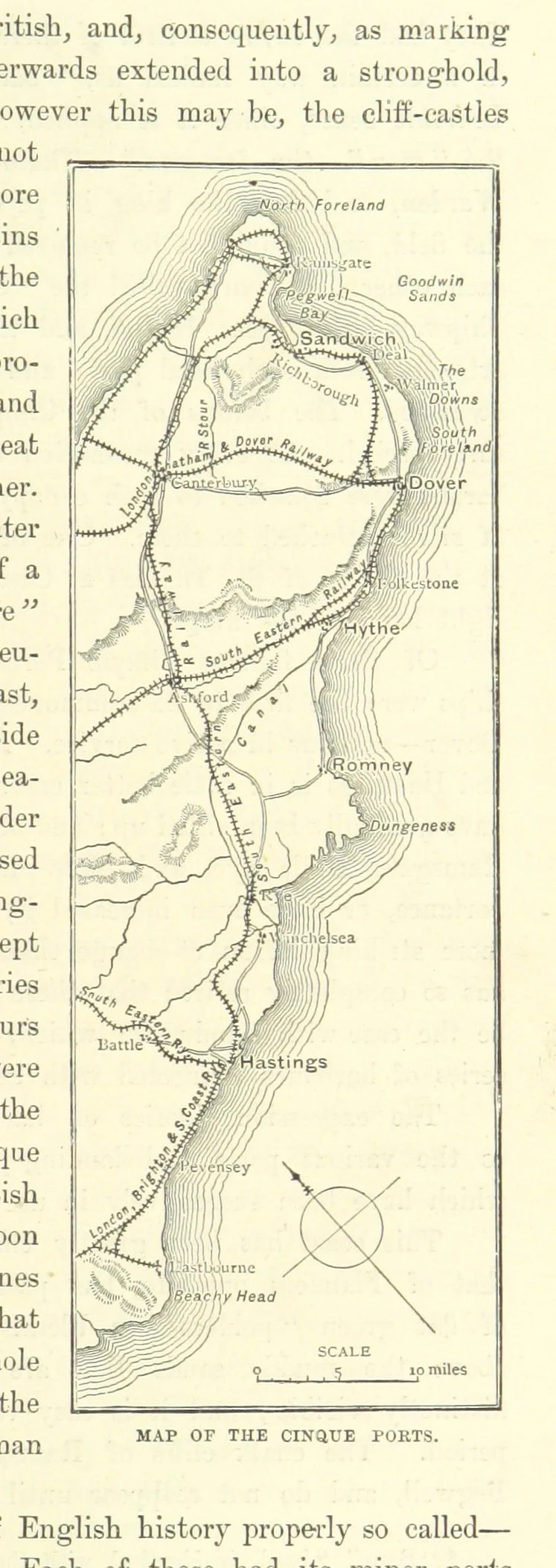
New Romney – A Principal Cinque Port
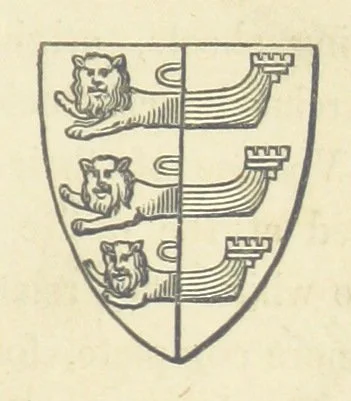
New Romney was one of the original five Cinque Ports, alongside Dover, Sandwich, Hythe and Hastings. Before England possessed a permanent Royal Navy, these towns supplied ships and crews to defend the kingdom. In return they enjoyed valuable privileges, including freedom from many taxes and the right to govern many of their own affairs.
Built on a narrow shingle spit at the mouth of the River Rother, New Romney grew from a Saxon fishing settlement into one of England's leading medieval ports. At its height it was prosperous enough to support five parish churches, two hospitals and a priory - far more than its modest size today would suggest.
Prosperity Written in Stone
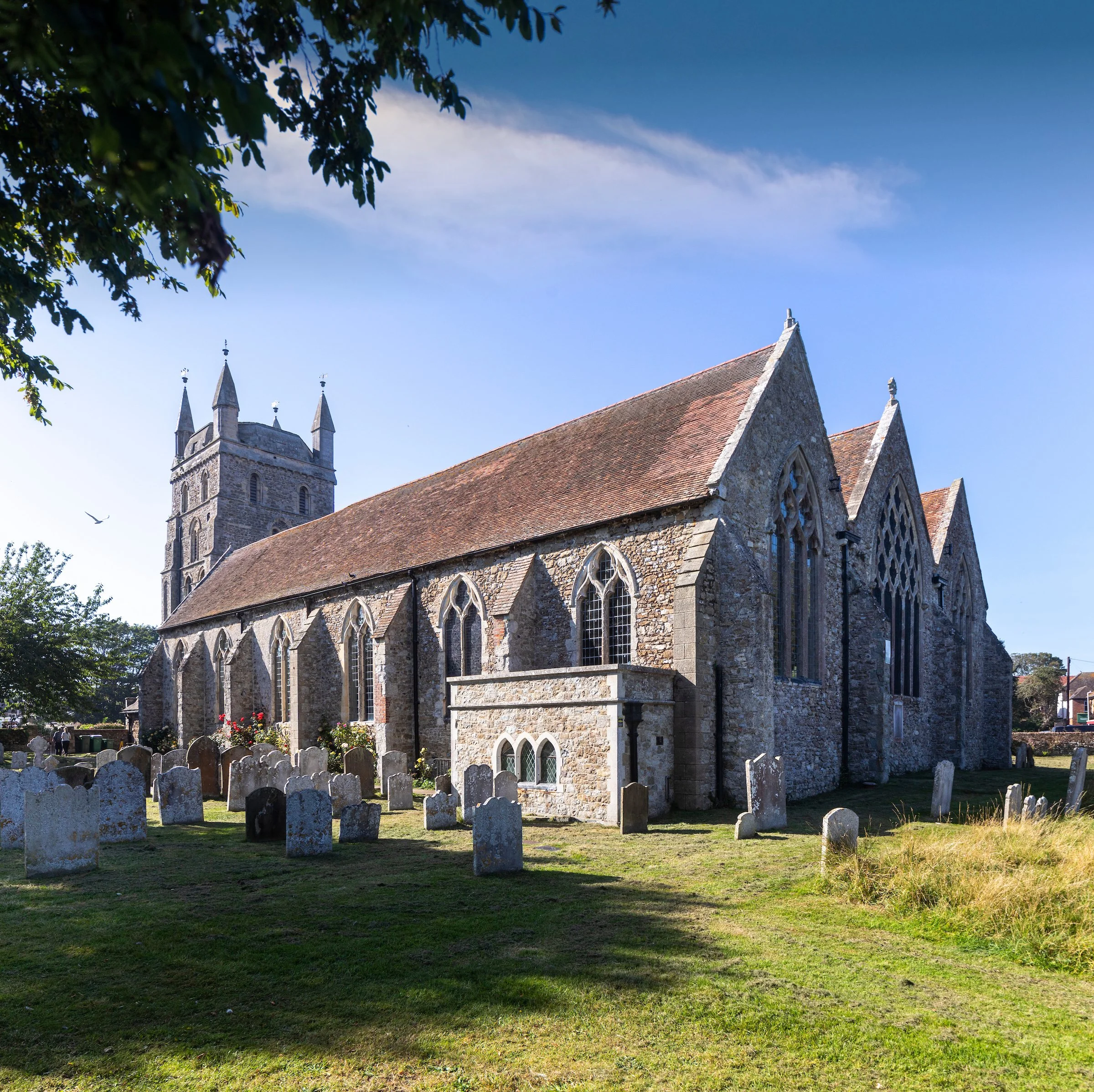
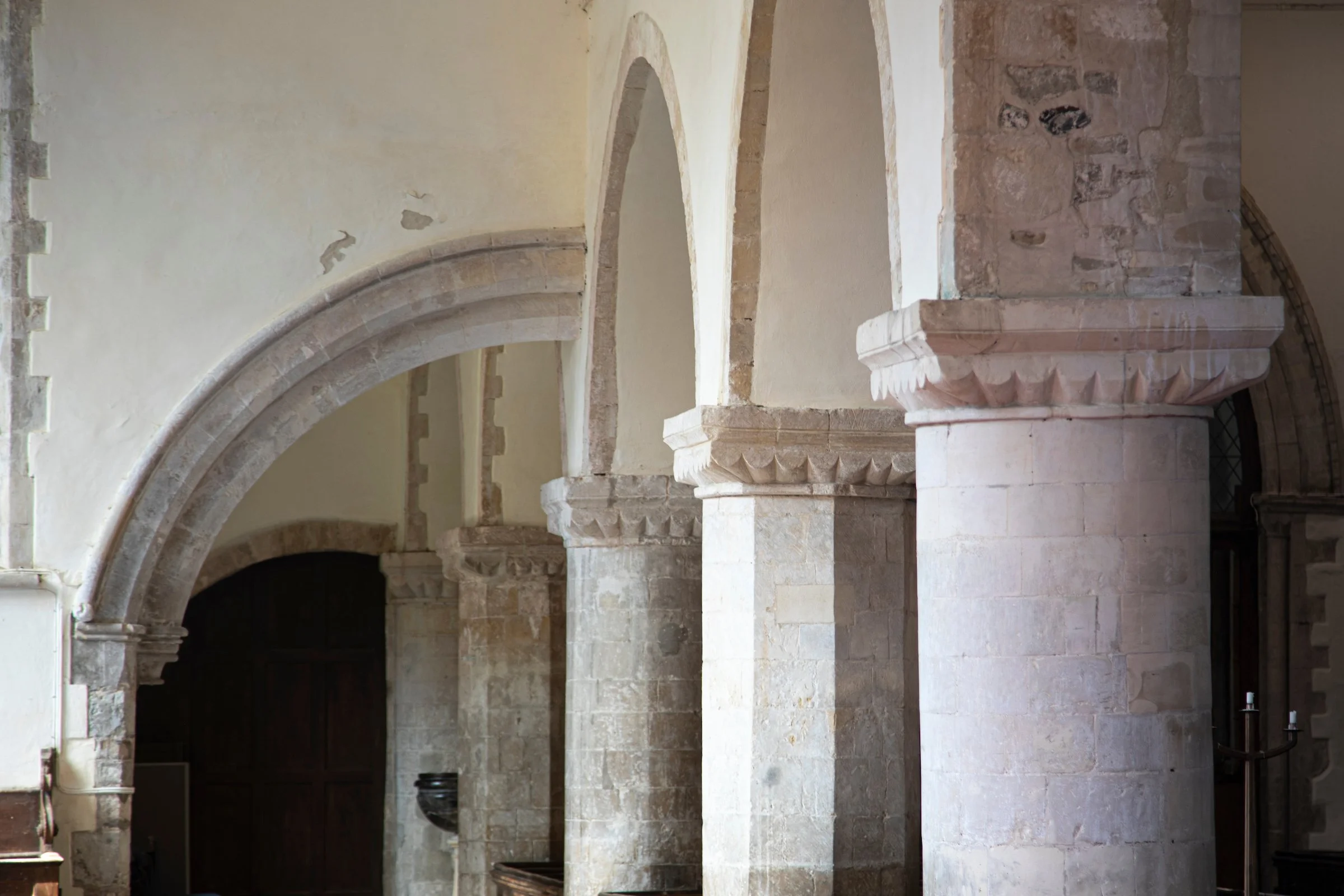
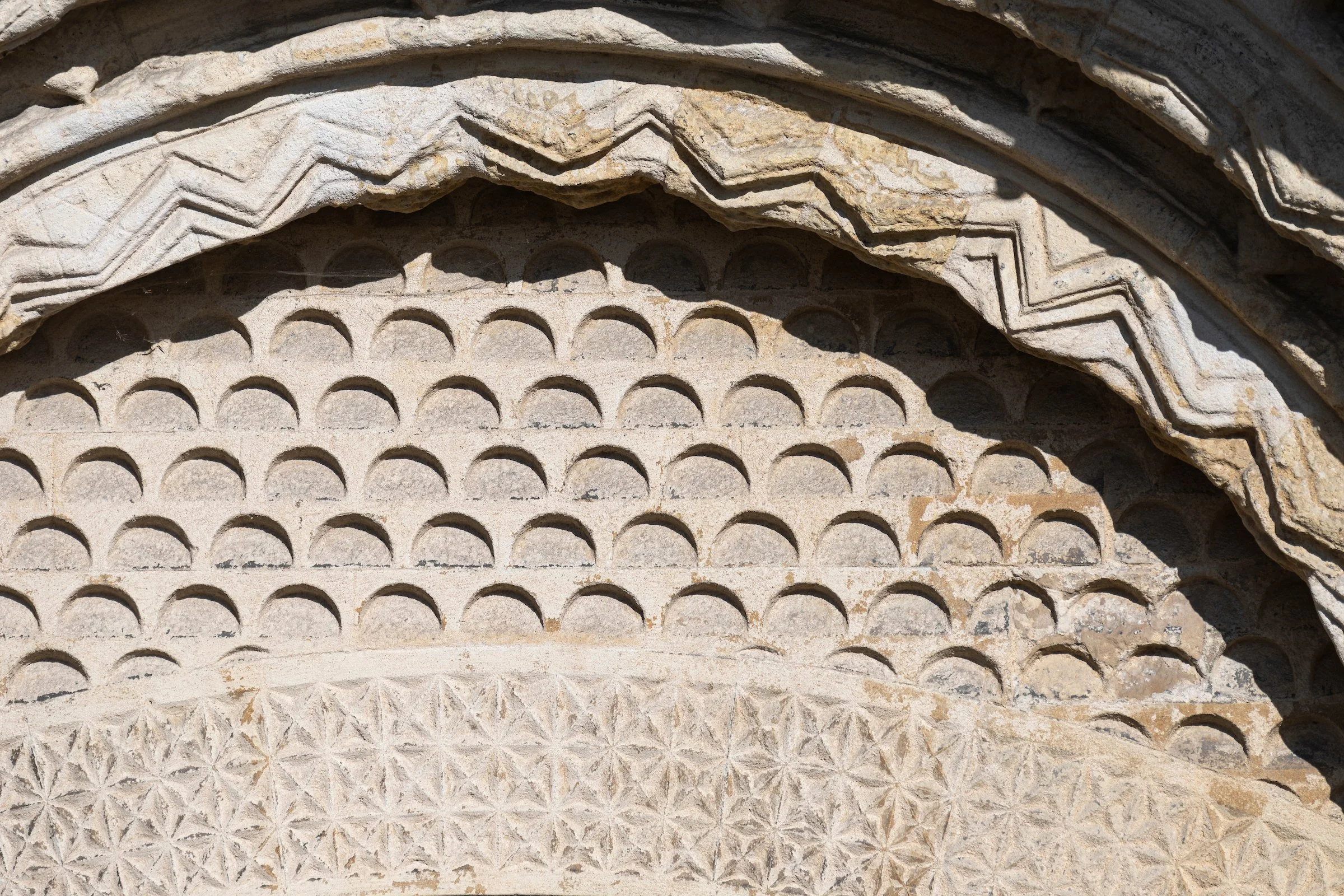
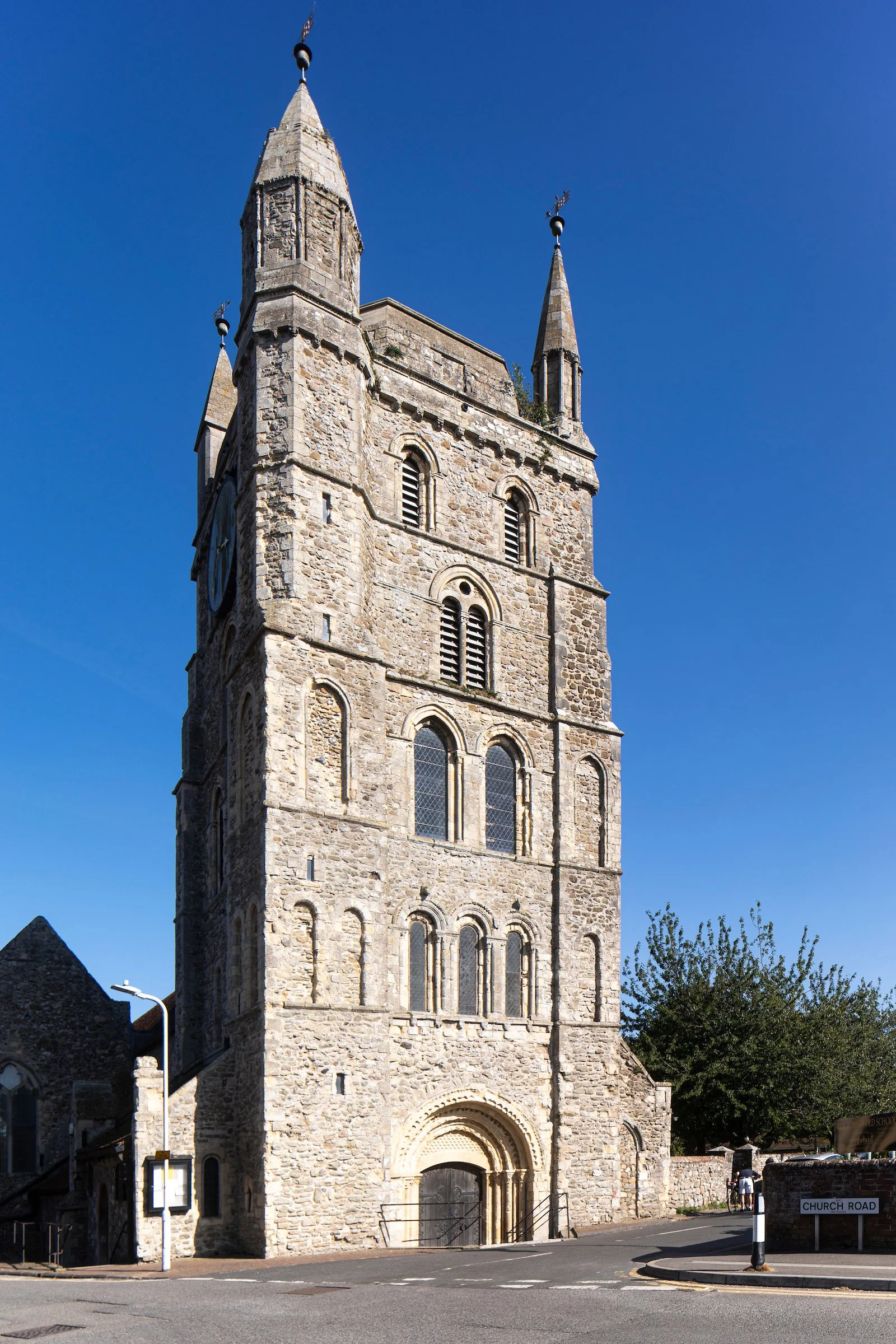
That prosperity is still visible in the churches of Romney Marsh today. When St Nicholas' Church was built in the twelfth century, imported Caen stone from Normandy was unloaded at the nearby harbour before being carried to the building site. The great Norman pillars, later Gothic chapels and spacious interior reflect the confidence of a thriving port whose merchants, mariners and guilds invested heavily in the church at the centre of their community.
The churches also served practical purposes. Before modern navigation, their towers were important landmarks for ships approaching the coast. St. Nicholas originally possessed a magnificent stone spire that guided mariners safely towards New Romney's harbour, while churches across the Marsh dominated both the landscape and the seascape.
An unusual tomb
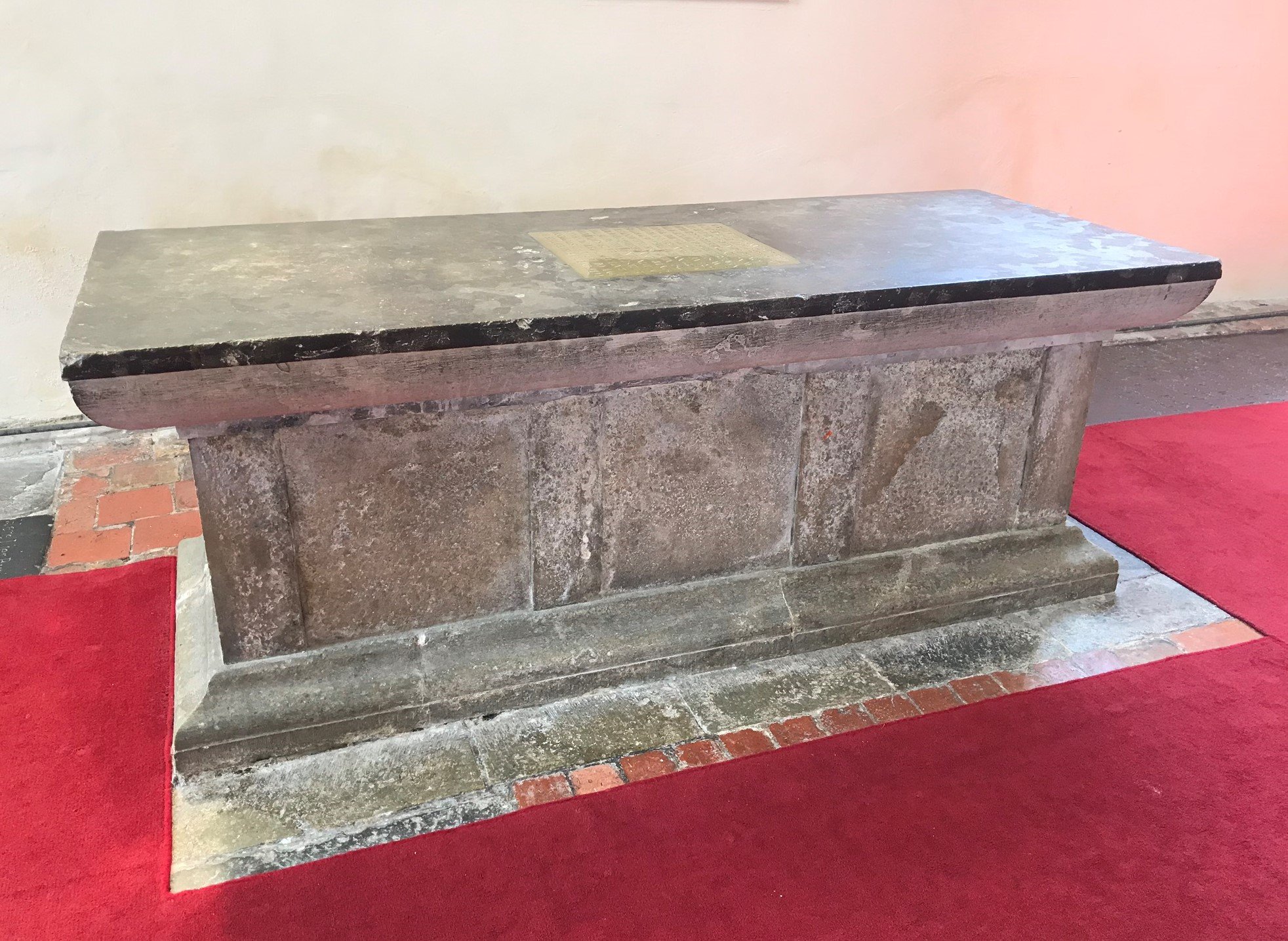
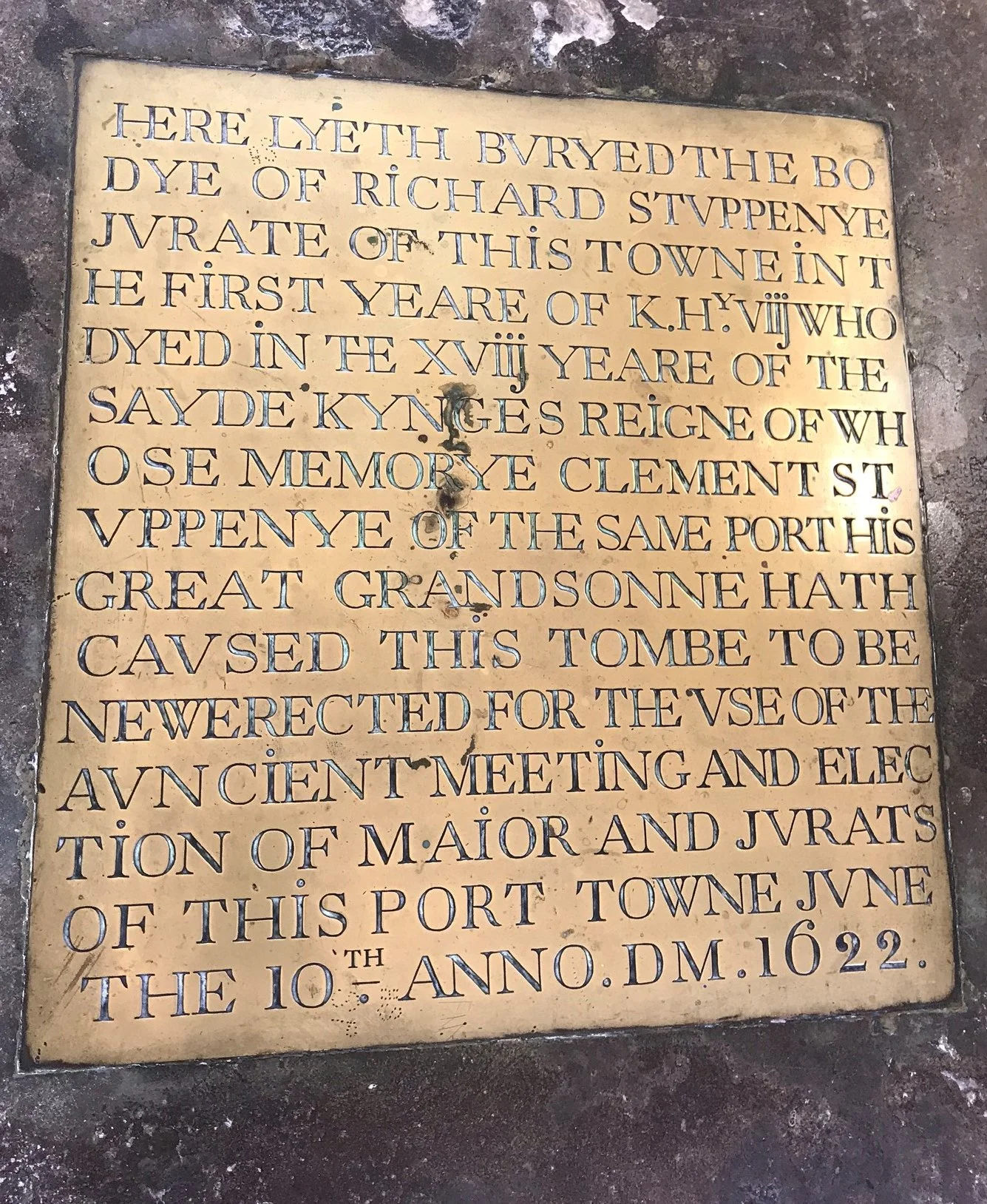
One of the most unusual monuments in St. Nicholas' Church is the tomb of Richard Stuppenye, a prominent jurat (magistrate) of New Romney who died in 1526. The impressive table tomb was erected by his great-grandson, Clement Stuppenye, in 1622, but it was designed to serve a practical purpose as well as commemorate the family. For more than 250 years, the Mayor, Jurats and civic leaders of New Romney gathered around it to conduct the ancient election of the town's magistrates, with the last recorded meeting taking place in 1885. It is a remarkable reminder that the parish church was once at the very heart of both the civic and religious life of this important Cinque Port.
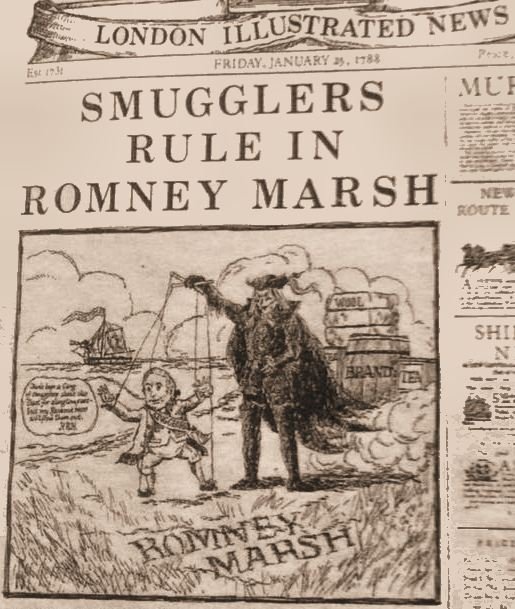
A jurat was an elected magistrate and civic leader. Thanks to the special privileges granted to the Cinque Ports, New Romney was able to hold its own courts, make many of its own local bylaws and administer justice independently. Jurats were responsible for governing the town and upholding these privileges. The independence enjoyed by the Cinque Ports, together with the challenges of policing the remote Marsh coastline, also helped foster a thriving smuggling trade, which became one of Romney Marsh's most notorious industries in later centuries. Many of the marsh churches were associated with smuggling.
Lydd and the Wider Confederation

The influence of the Cinque Ports extended beyond the principal ports. Lydd became a corporate limb of New Romney, helping provide ships and crews for the Crown.
Its magnificent parish church, All Saints - known by some as the “Cathedral of the Marsh” - stands as another reminder of the prosperity generated by maritime trade. At almost 200 feet long, it remains one of Kent's finest parish churches and demonstrates how closely the fortunes of Romney Marsh's churches were tied to those of the Cinque Ports.
The Storm that Changed Everything
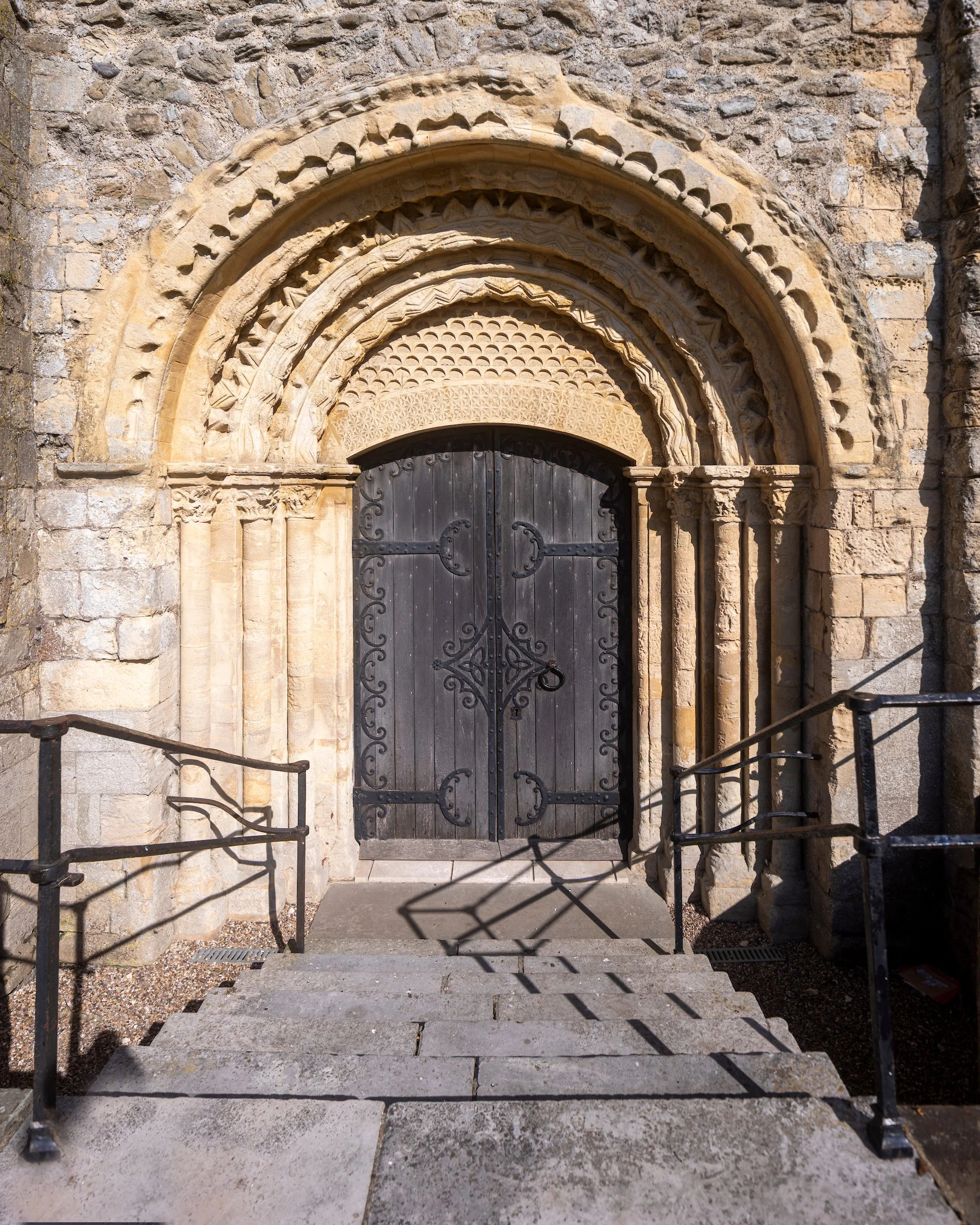
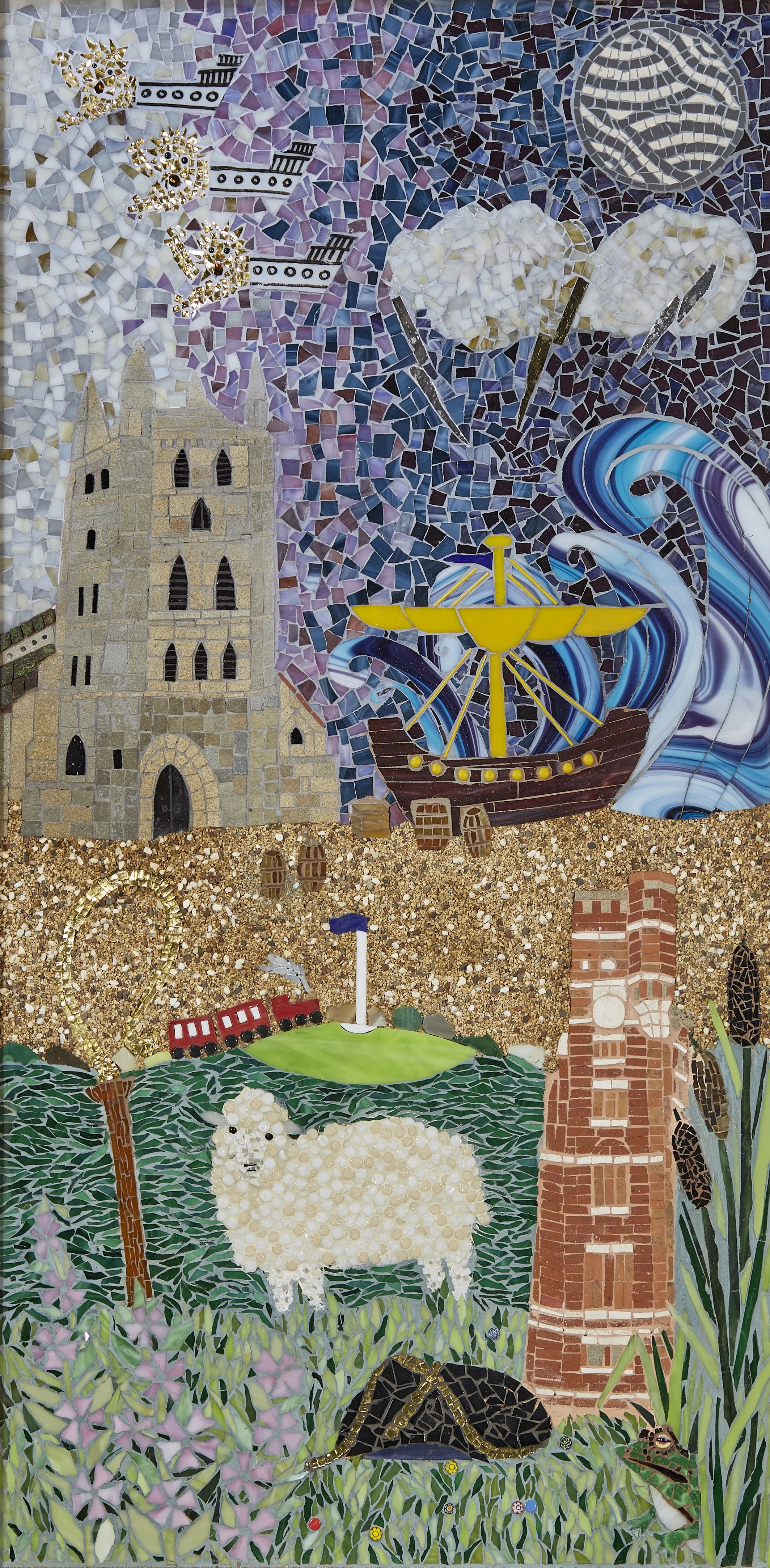
The fortunes of New Romney changed dramatically in February 1287 when one of the greatest storms in English history devastated the south coast. The storm caused the River Rother to change course, which lead New Romney’s harbour to gradually silt up, and one of England's busiest ports was left stranded more than a mile from the sea.
Visitors to St. Nicholas’ still descend steps to enter the building because the storm deposited so much shingle and silt that the surrounding ground level was permanently raised. Flood marks remain visible on some of the Norman pillars, providing a remarkable reminder of the natural forces that transformed both the landscape and the town's fortunes.
A Heritage Worth Protecting
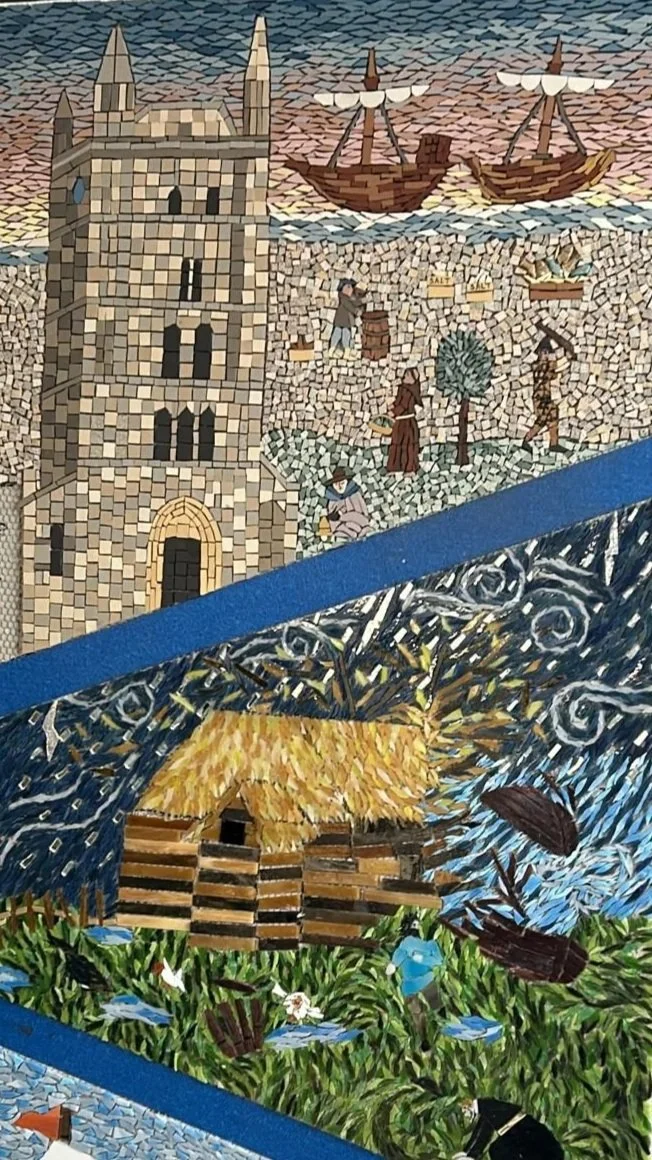
A mosaic of the Great Storm is pictured on the obelisk outside New Romney Church
The churches of Romney Marsh are far more than beautiful historic buildings. They are witnesses to one of England's greatest maritime stories. Their towers once guided ships into harbour, their bells rang out across bustling ports and their walls preserve the history of communities whose lives were shaped by trade, faith and the sea.
This remarkable heritage cannot preserve itself. Time, weather and the rising costs of conservation threaten buildings that have already survived for more than eight centuries. That is why the work of the Romney Marsh Historic Churches Trust is so important. Through grants, fundraising and the generosity of members and supporters, the Trust helps conserve these extraordinary churches so that future generations can continue to experience their history, craftsmanship and beauty.
Every visit, every donation and every new supporter helps ensure that these remarkable churches continue to stand at the heart of the Marsh, preserving one of England's most important maritime legacies for generations to come.