
From Fishing to Farming: A walk from New Romney to St. Mary in the Marsh
Distance: Approx 5 miles (7–8 km)
Terrain: Flat marshland, field-edge paths, embankments, drainage-bank tracks and short road sections.
Difficulty: Easy, though some sections can be indistinct after cultivation. GPS or preferably an OS map is a must. The route is exposed in poor or hot weather, and can be muddy – good walking boots or wellies advised. Some stile and footbridge crossings. A short section of lane without a footpath at start (see section 1 below).
Important information: This walk is undertaken entirely at your own risk. Whilst every effort has been made to ensure the route description is accurate, paths, field conditions and access arrangements may change. Walkers should carry an up-to-date map or GPS device and ensure they remain on designated public rights of way at all times. See also the information at the end of this page.
Description
This delightful walk links two of Romney Marsh's most beautiful historic churches while showcasing the unique landscape that lies between them. Beginning at the magnificent Church of St. Nicholas in New Romney, once part of a thriving Cinque Port, the route leaves the town behind and quickly enters the open grazing marshes that define this corner of Kent.
Following field-edge paths, embankments and drainage channels, the walk passes through a landscape reclaimed from the sea. Wide skies, grazing pastures and the intricate network of sewers create a strong sense of space and tranquillity. Wildlife is abundant – in May (photographs on this page) the Skylarks sing overhead, Reed Warblers inhabit the ditches, Yellowhammers perch on the hedgerows and several species of dragonfly patrol the waterways in summer.
The walk passes what would have once been a busy Advanced Landing Ground for WWII aircraft. As the walk progresses, the tower of St. Mary the Virgin gradually appears on the horizon, guiding walkers towards the village of St Mary in the Marsh. Dating largely from the 12th century, the church stands as a fitting destination and a reminder of the central role these ancient churches have played in the life of the Marsh for nearly a thousand years. Nearby, the beer garden of the historic Star Inn offers welcome refreshment with views towards the church.
Combining remarkable churches, rich history and the distinctive character of Romney Marsh, this route provides an excellent introduction to one of England's most fascinating landscapes.
Start - St. Nicholas’ Church, New Romney
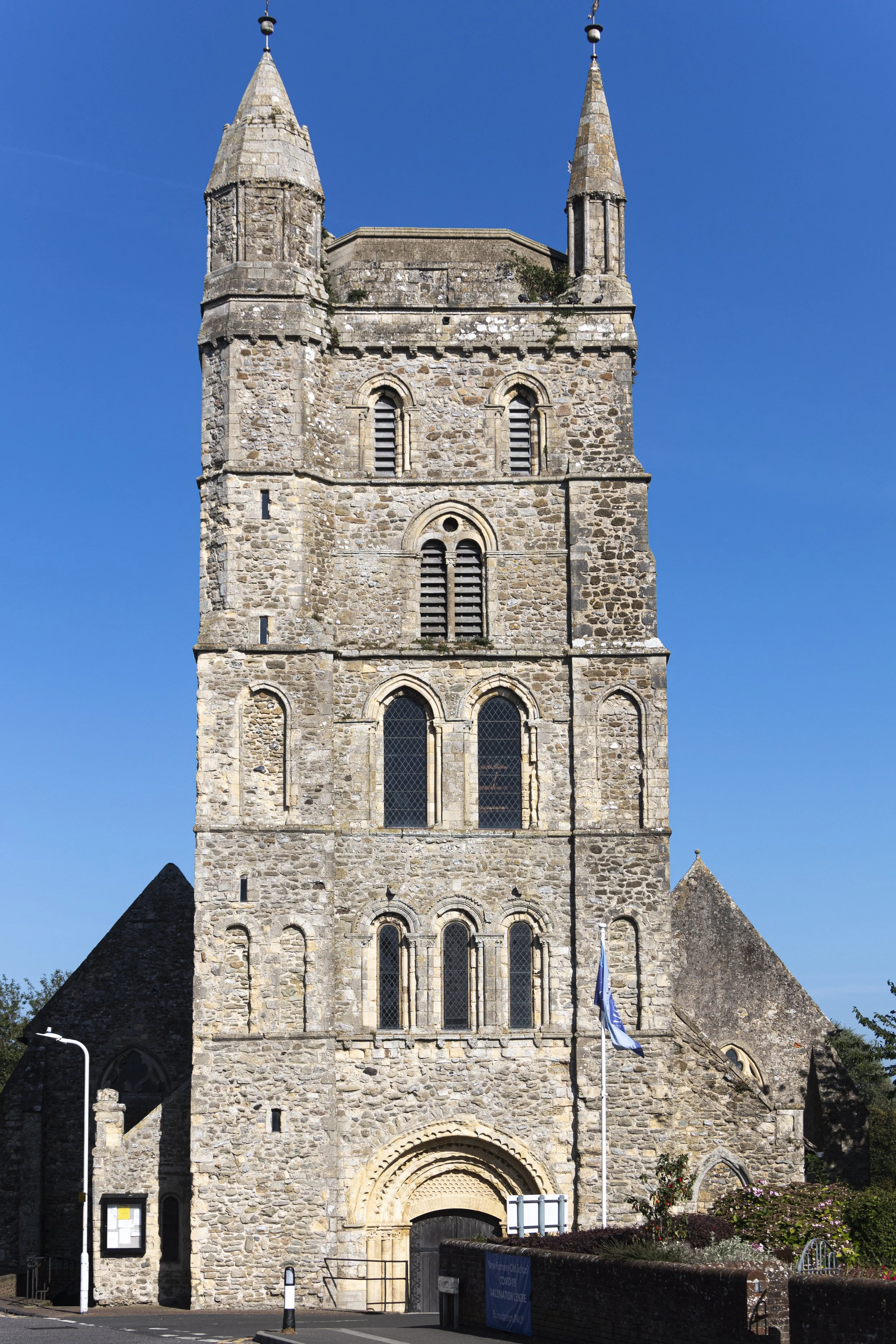
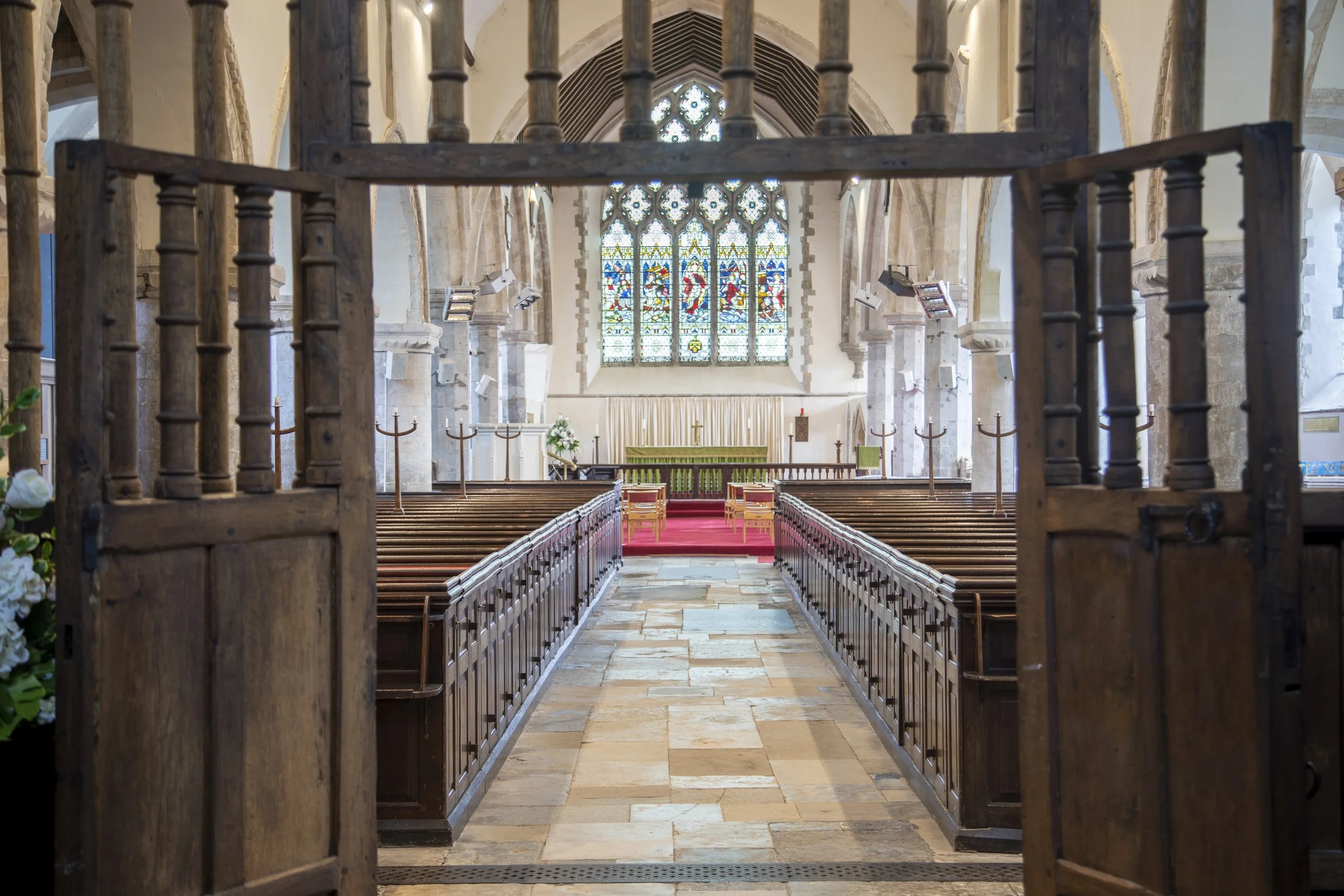
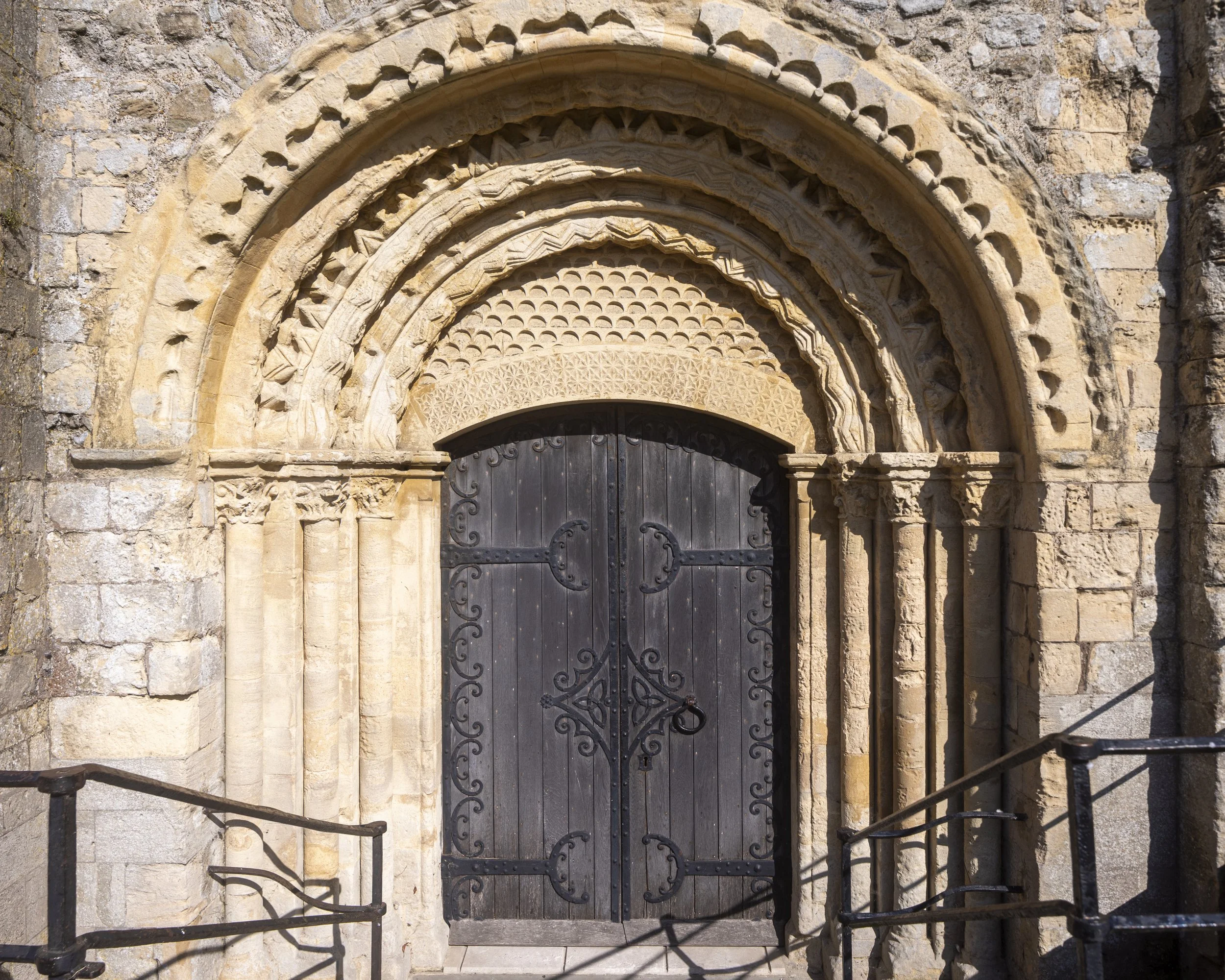
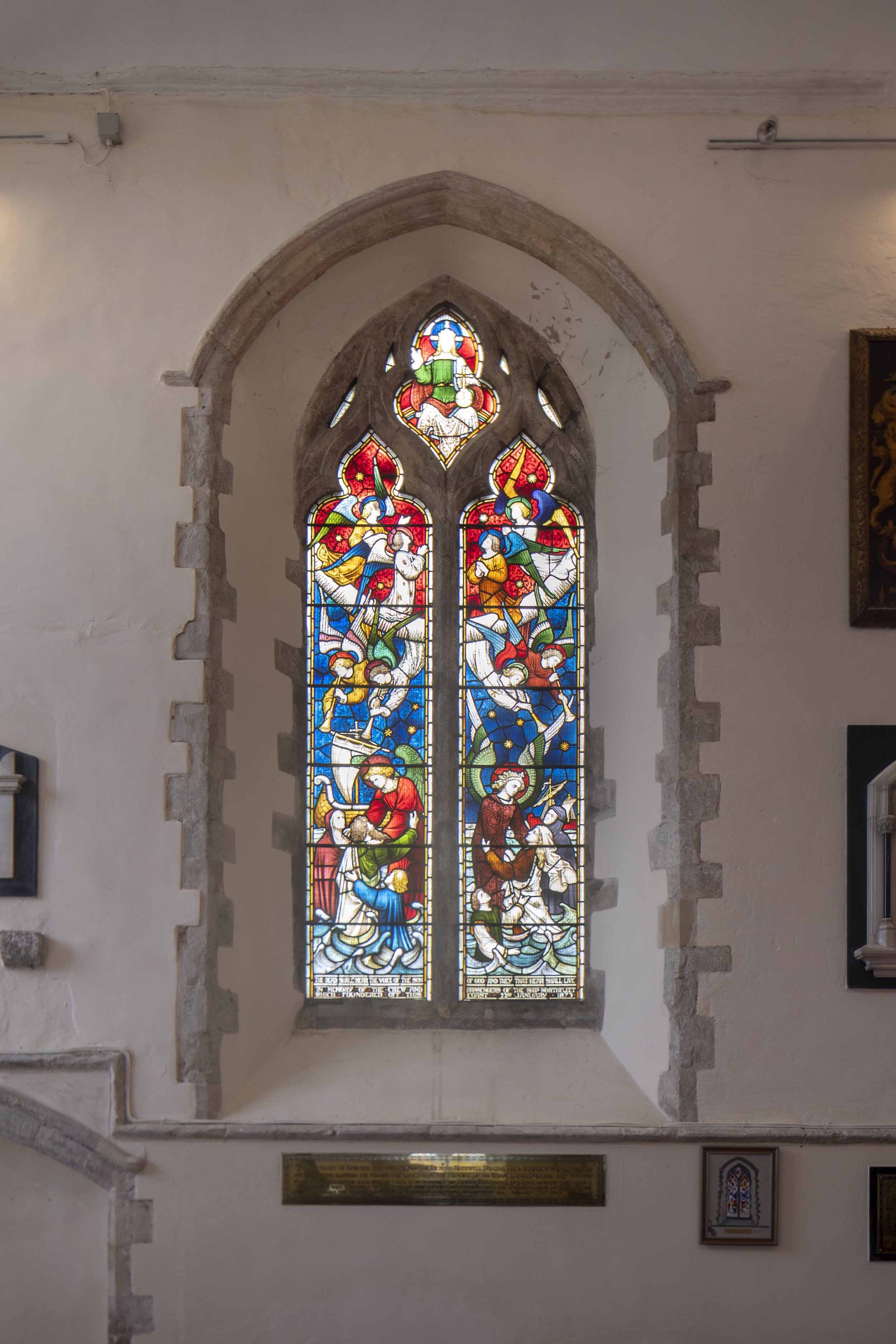
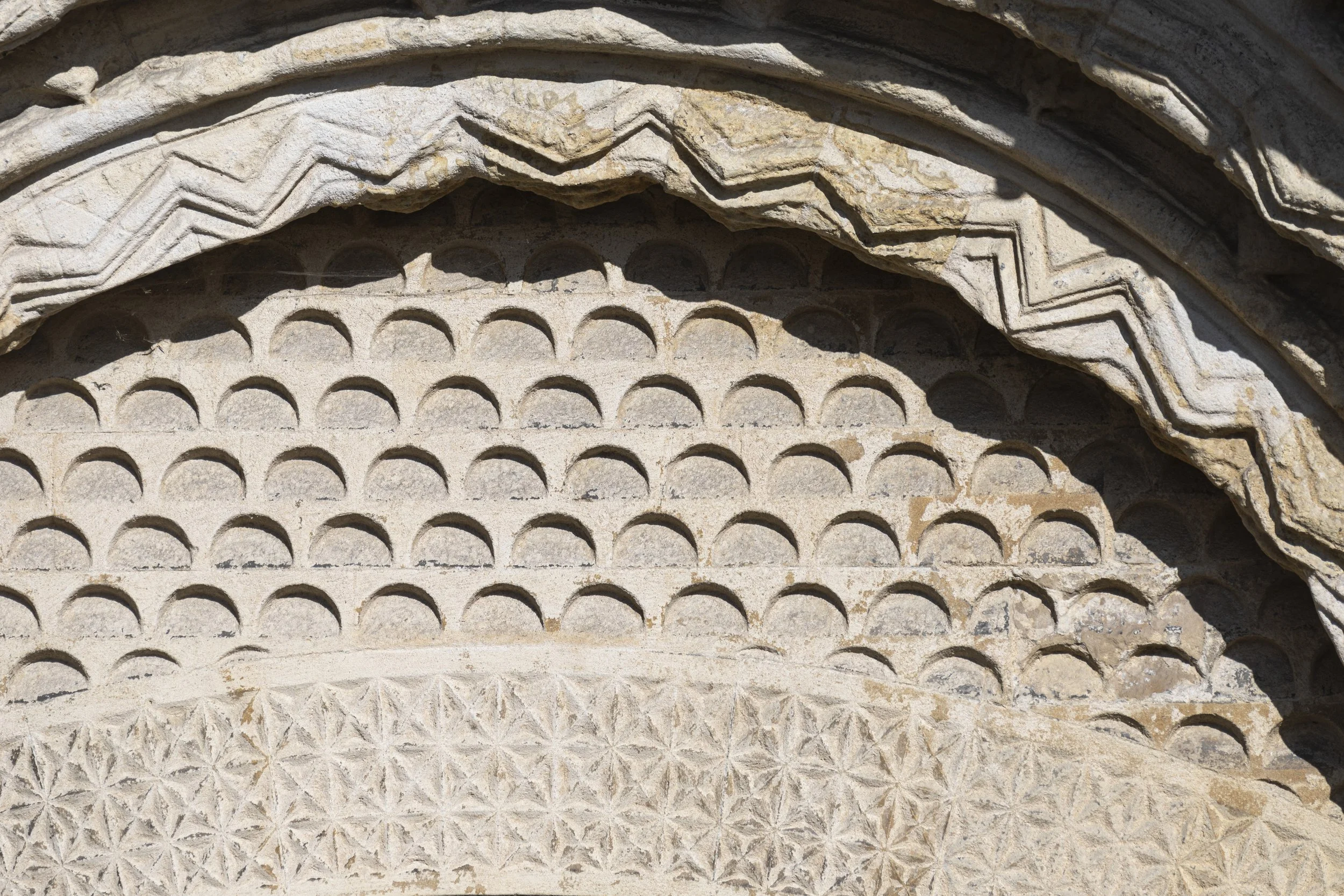
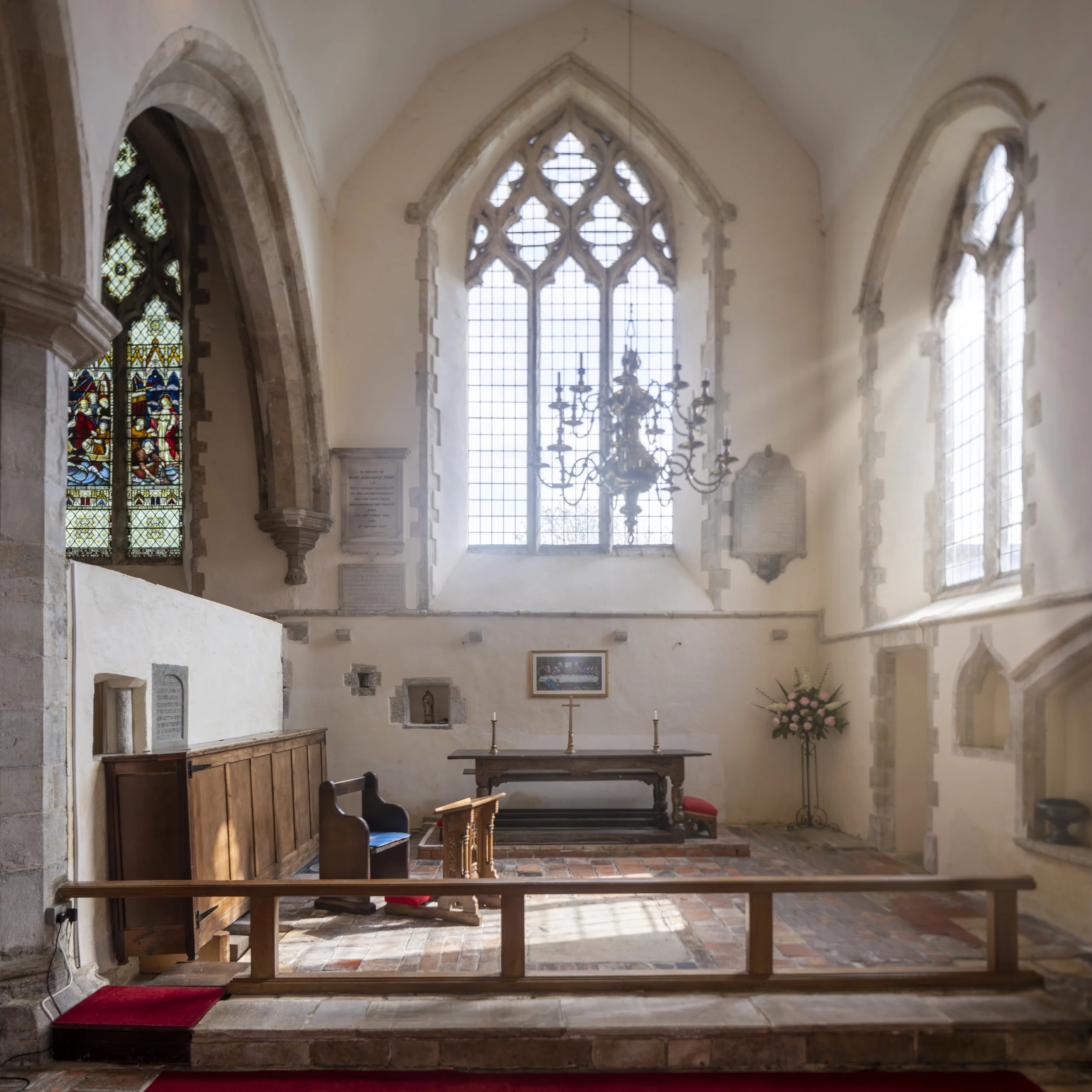
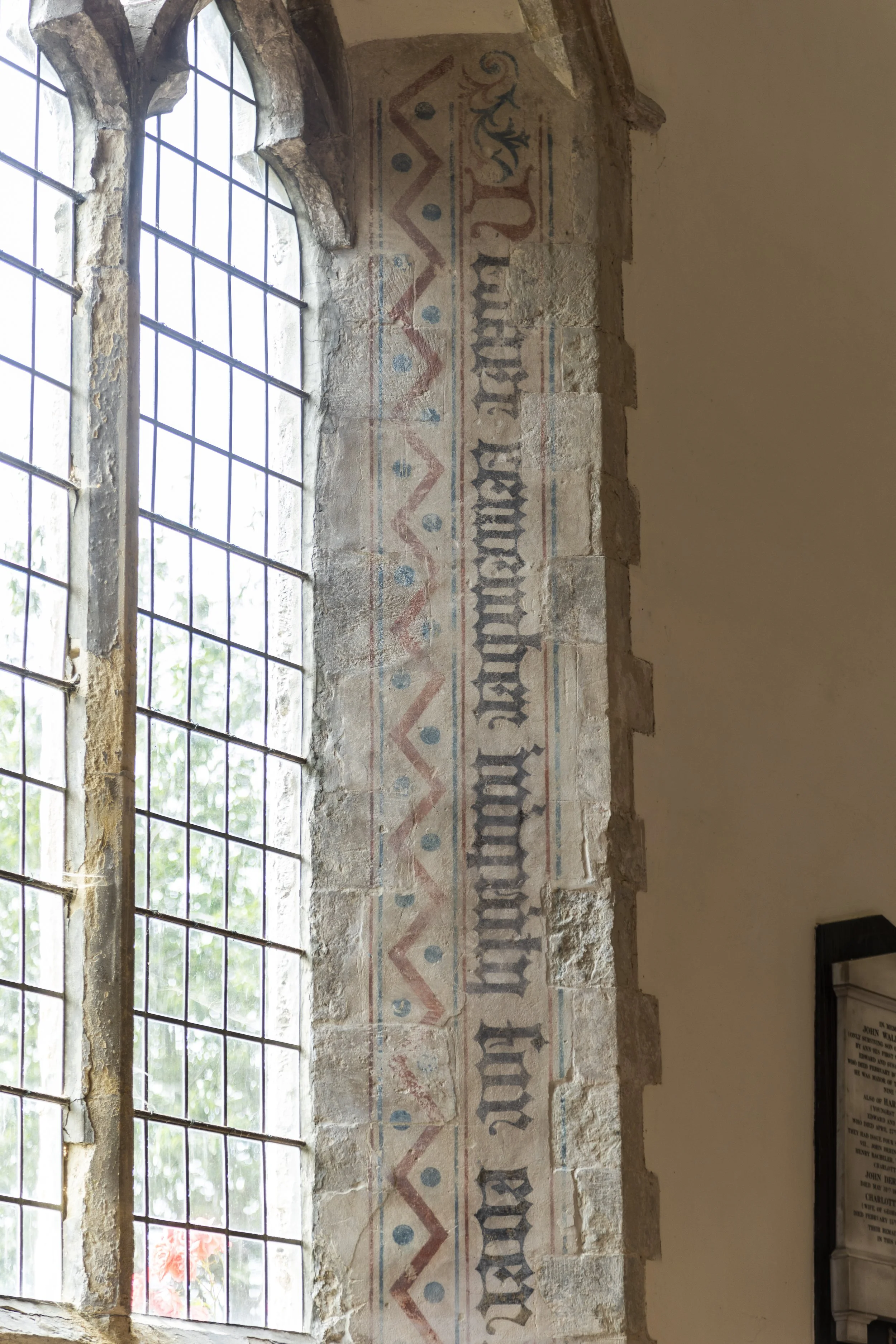
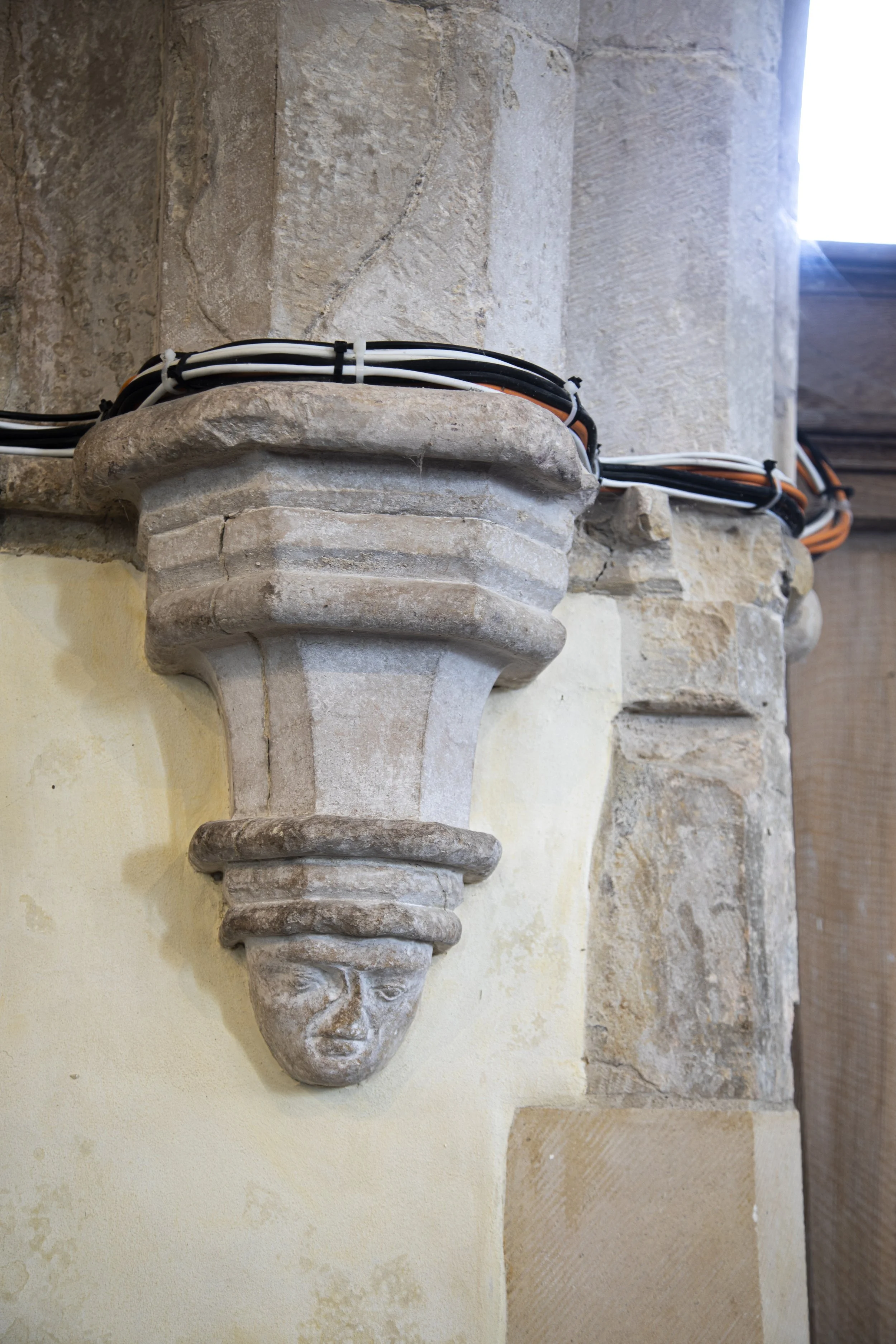
St. Nicholas' Church, New Romney is one of the most impressive parish churches in Kent. Built in the Norman period and expanded over the centuries, it reflects New Romney's former importance as a thriving medieval Cinque Port. Visitors can admire its spacious interior, historic monuments and magnificent tower. The church was once located next to a thriving medieval port. Today the churchyard offers a peaceful setting in the heart of the town. Regular concerts and community events make it a vibrant place to visit throughout the year. A free audiovisual tour is available here.
The Walk to St. Mary the Virgin, St. Mary-in-the-Marsh
Section 1 – New Romney to Worlingham Sewer
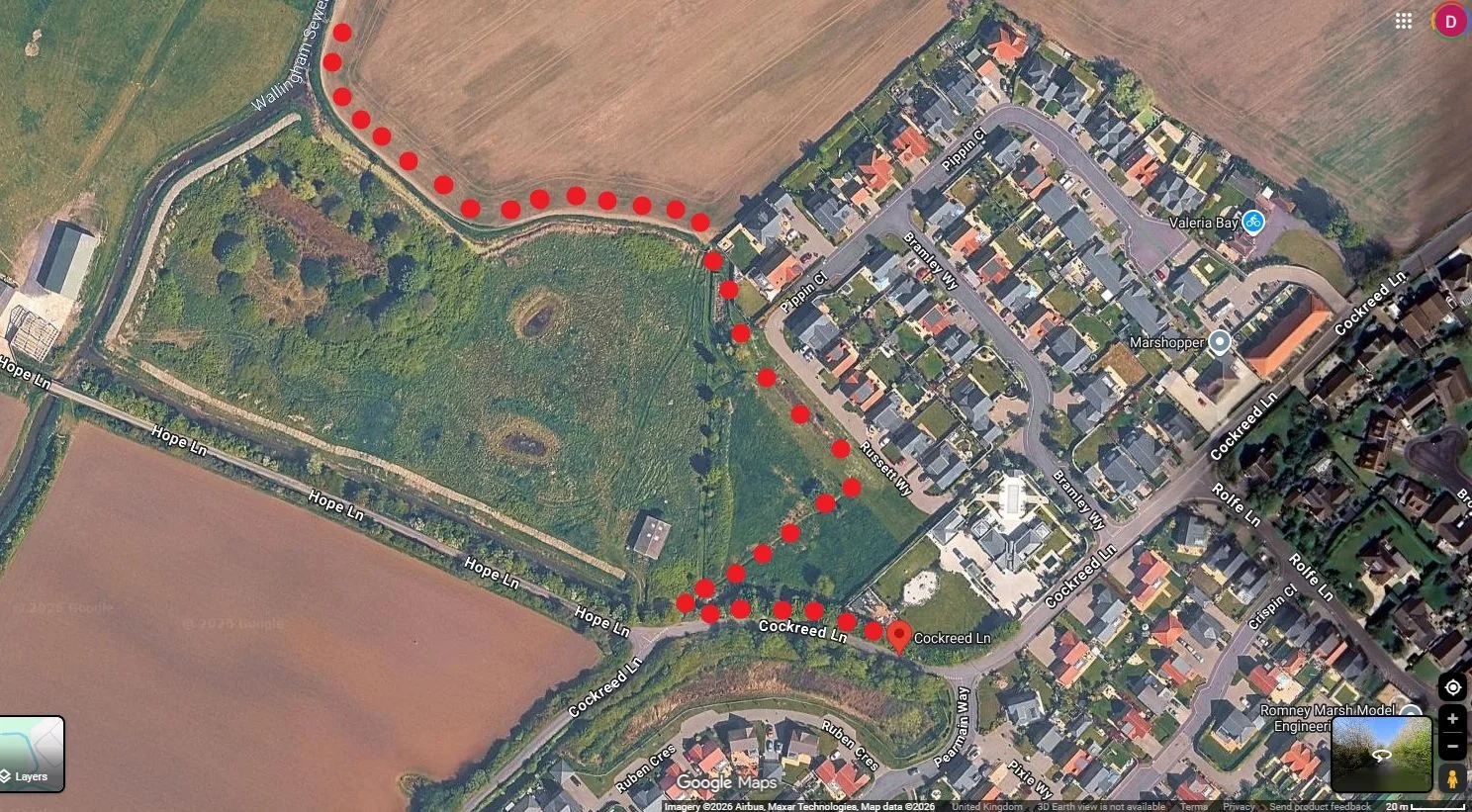
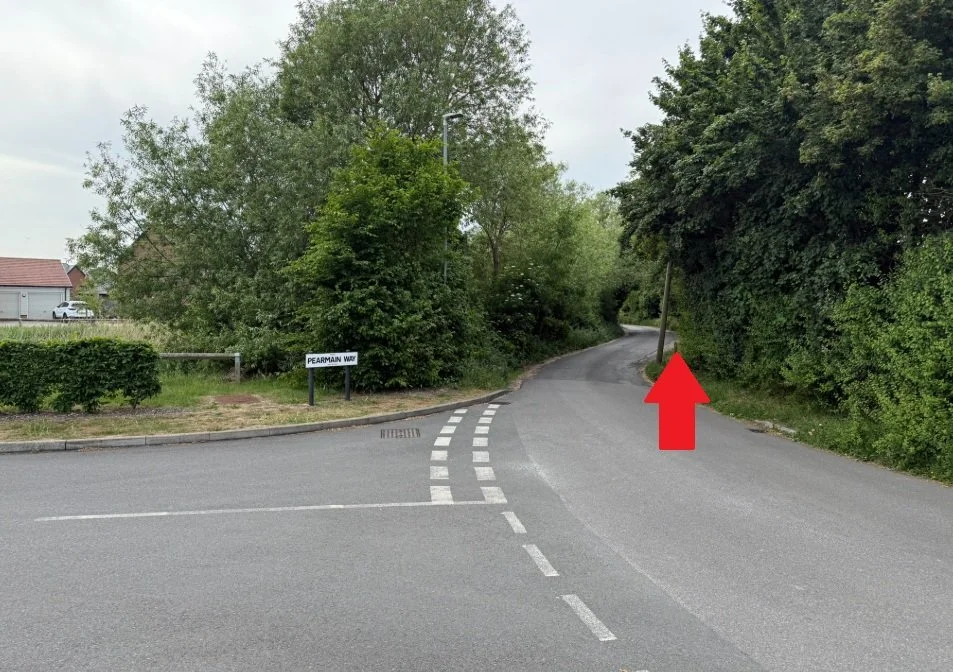
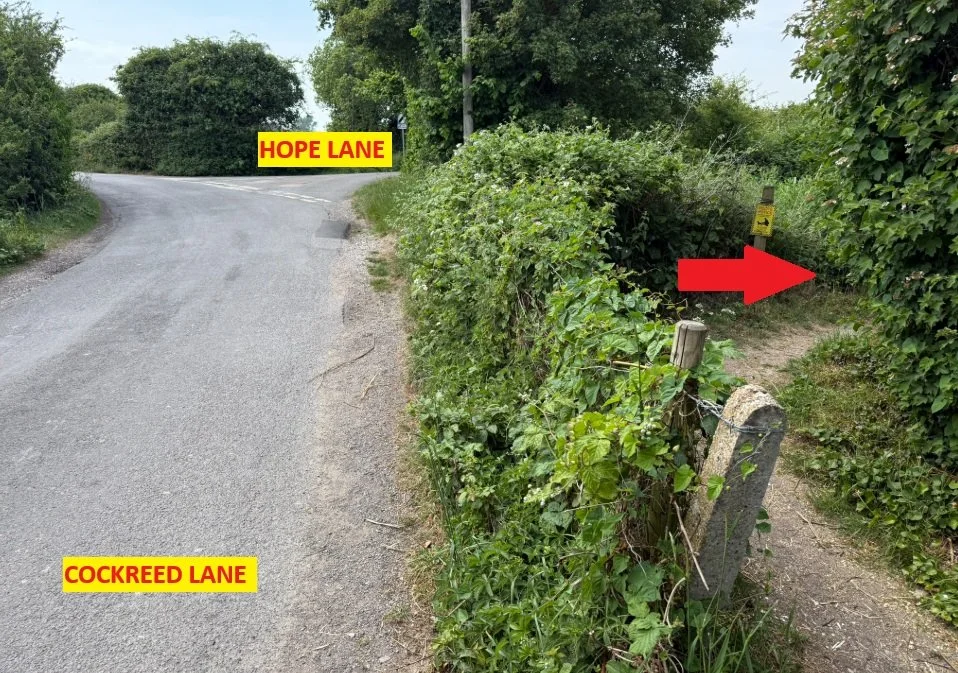
After your visit at St Nicholas' Church, make your way through the town however you wish to the junction of Permain Way and Cockreed Lane on the northern edge of New Romney (postcode TN28 8FS).
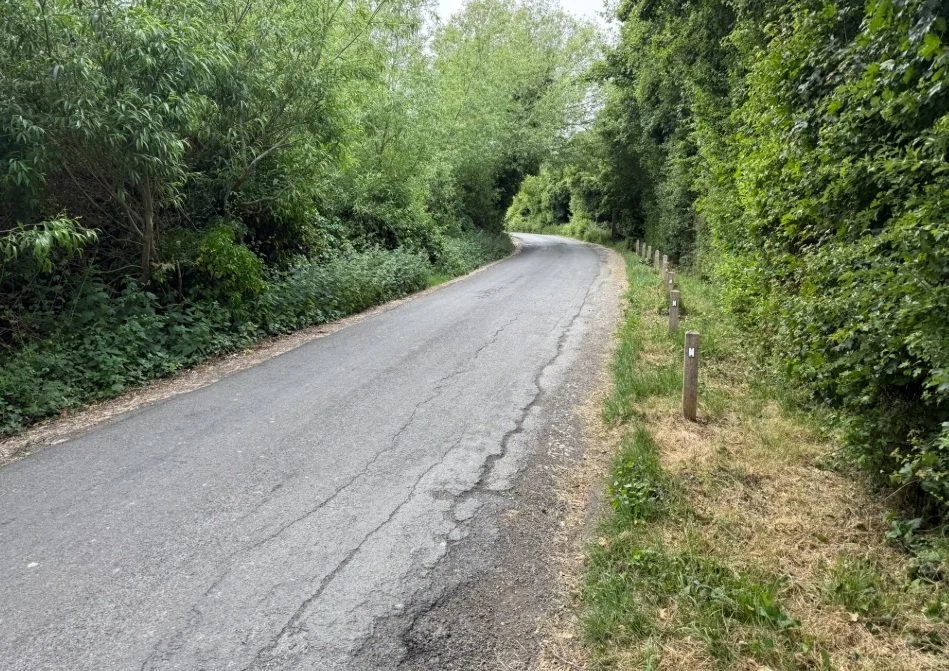
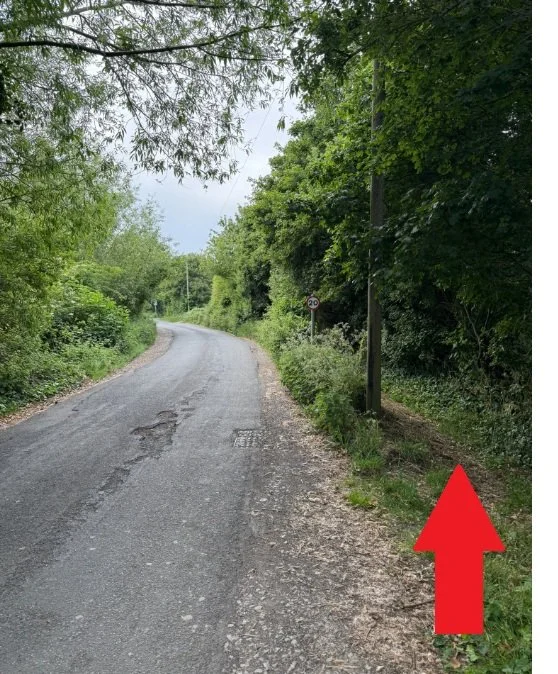
Follow Cockreed Lane for a few metres - there is a very short section without a pavement before you can reach a footpath on the north side of the road. Follow this path next to the lane before it curves around the edge of the housing development and enters open meadows.
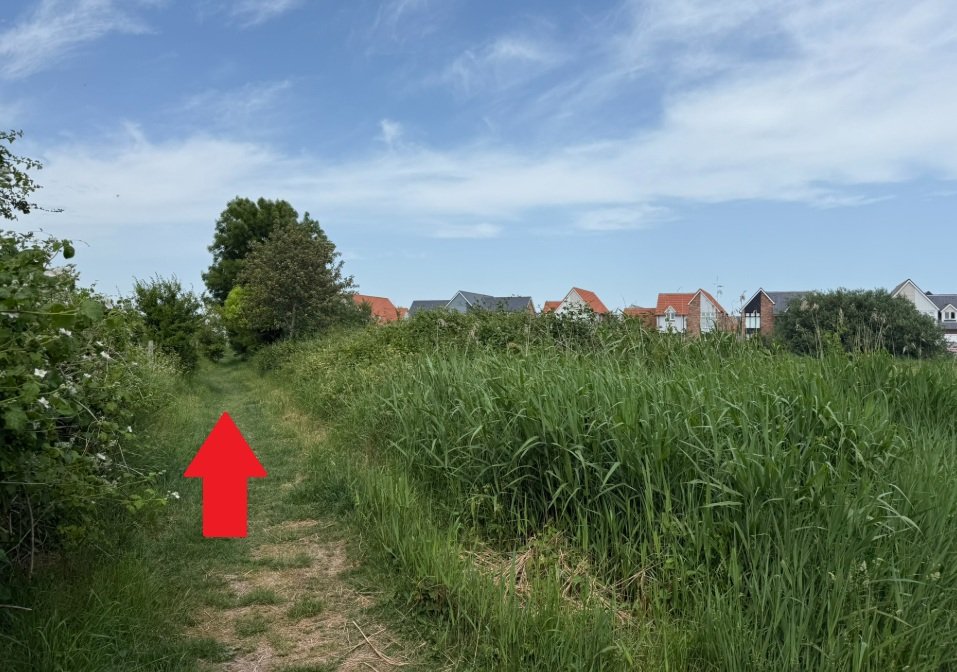
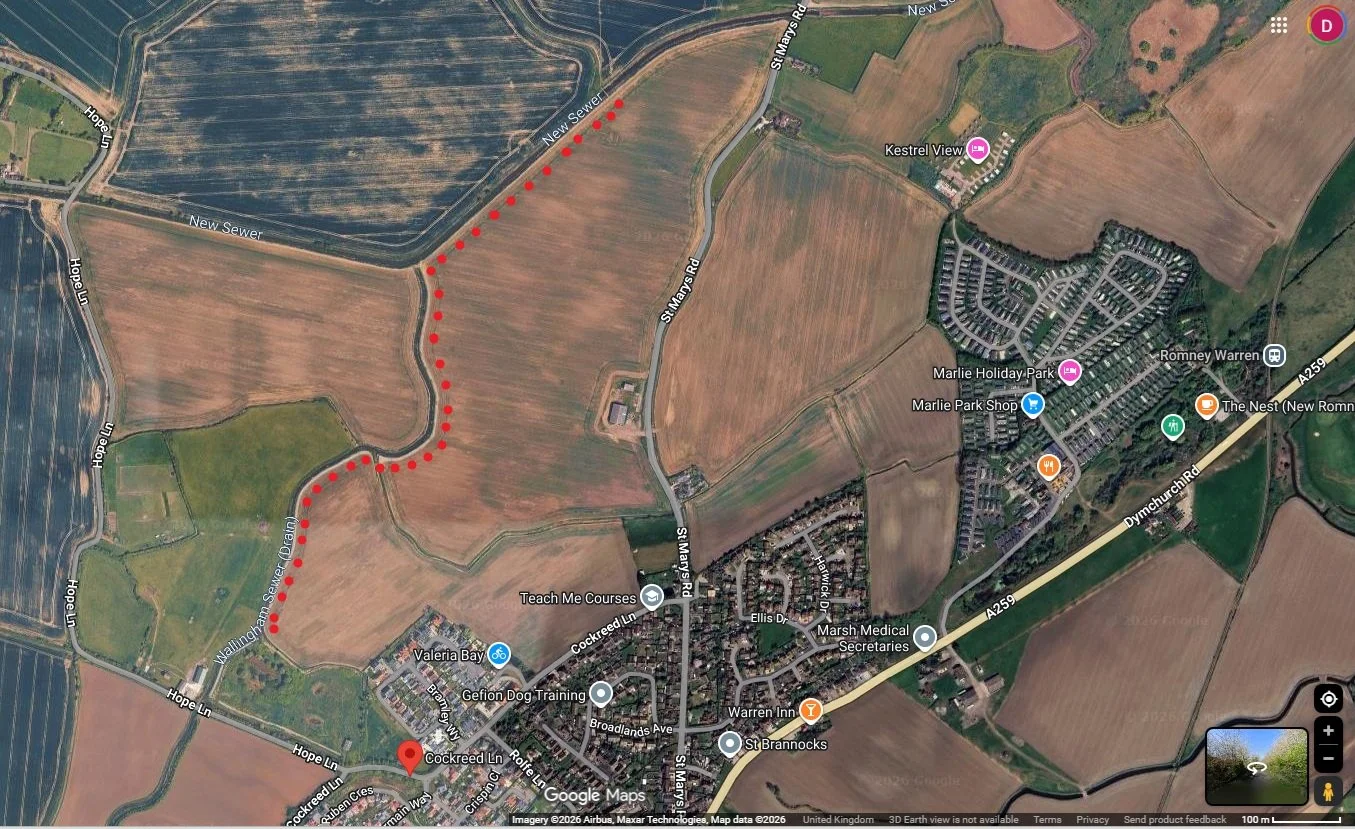
The path bends north-west and then north, keeping the houses of Russet Way and Pippin Close on your right. Continue beside drainage ditches and rough grassland until reaching the bank of the larger Wallingham Sewer.
At the sewer, turn left and follow the bank northwards.
Section 2 – Following Wallingham Sewer and joining New Sewer
This is one of the most attractive sections of the walk.
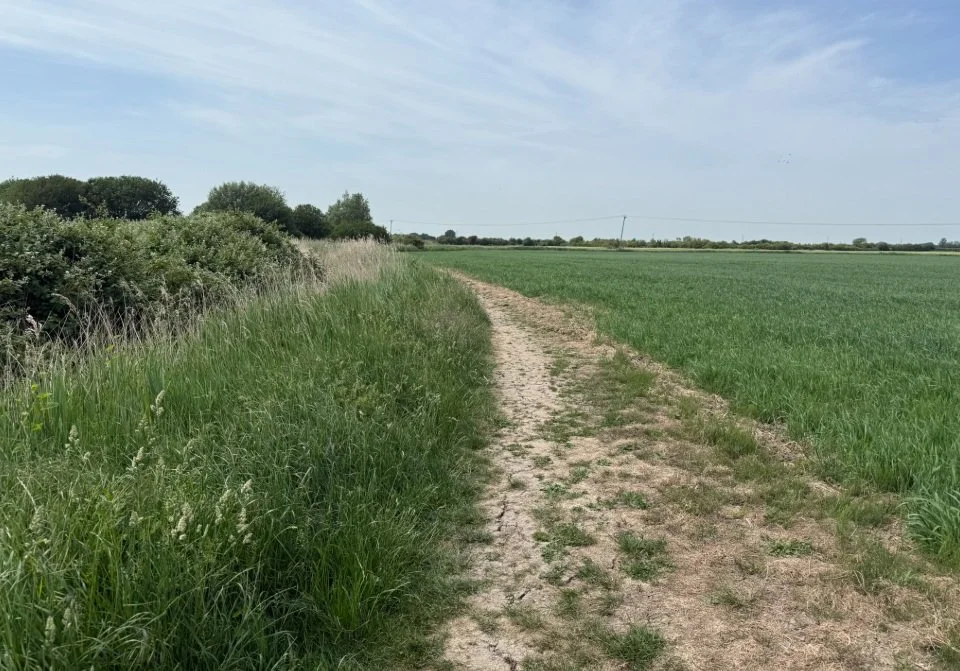
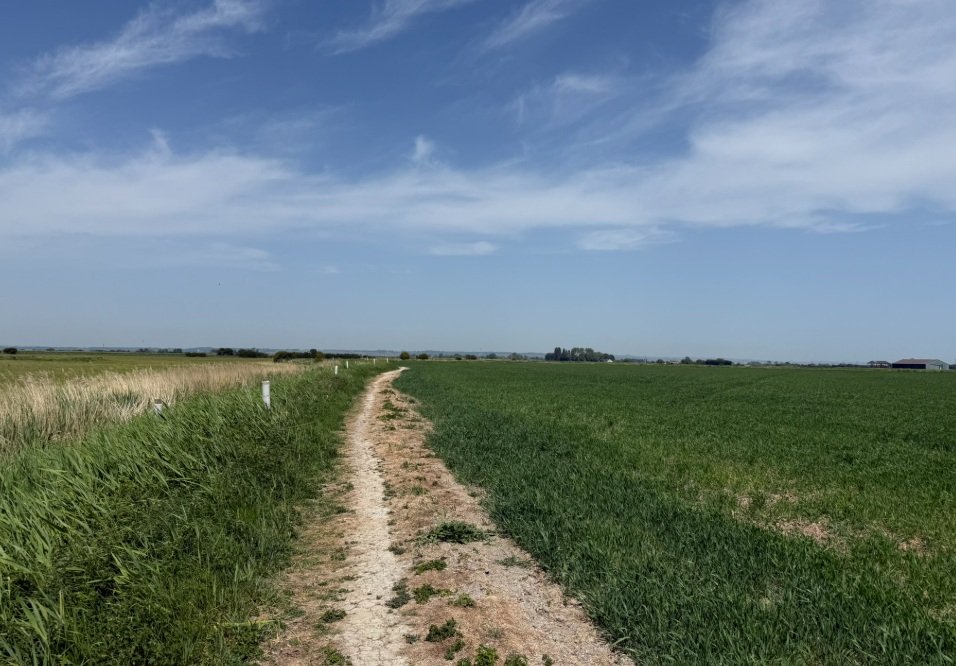
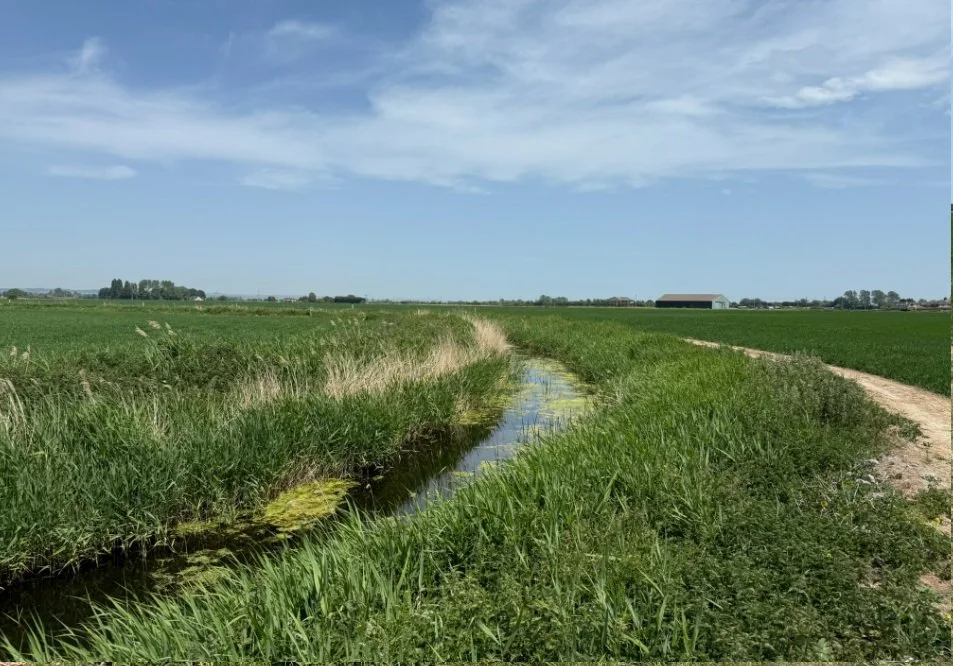
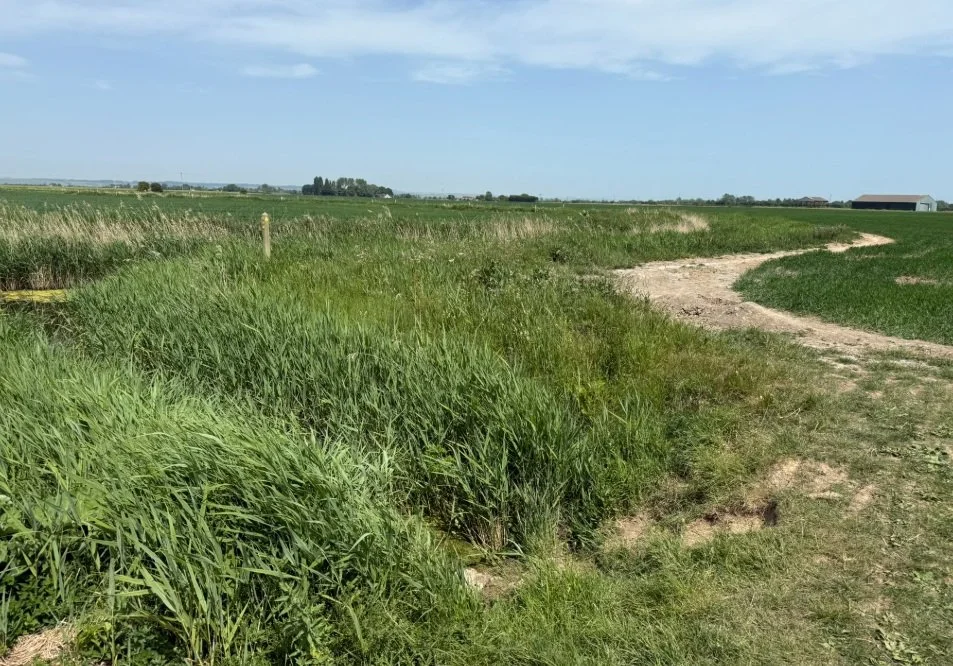
The route follows the winding course of the Wallingham Sewer through open farmland. The channel remains close by throughout, while New Romney gradually disappears behind you.
You will cross a smaller drainage channel that runs into the Wallingham Sewer at a field boundary crossing. Ignore any tracks leading east towards Brodynex Farm or St Mary's Road. Instead continue following the curved Wallingham Sewer northwards until it meets the larger, straighter New Sewer.
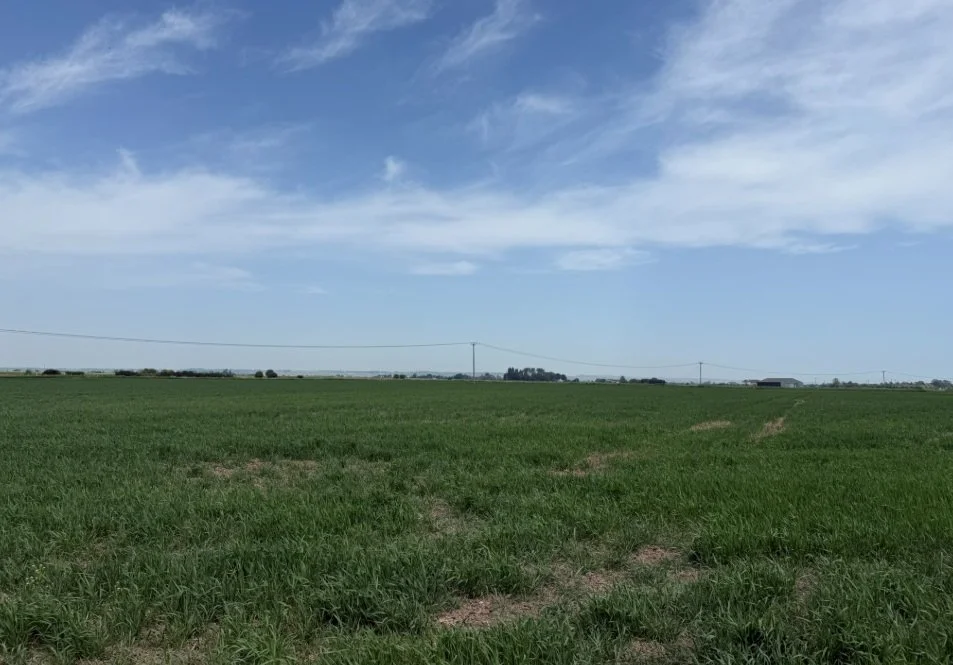
The landscape here is quintessential Romney Marsh: huge skies, long views and an almost complete absence of traffic or buildings.
Section 3 - New Sewer to the First Footbridge
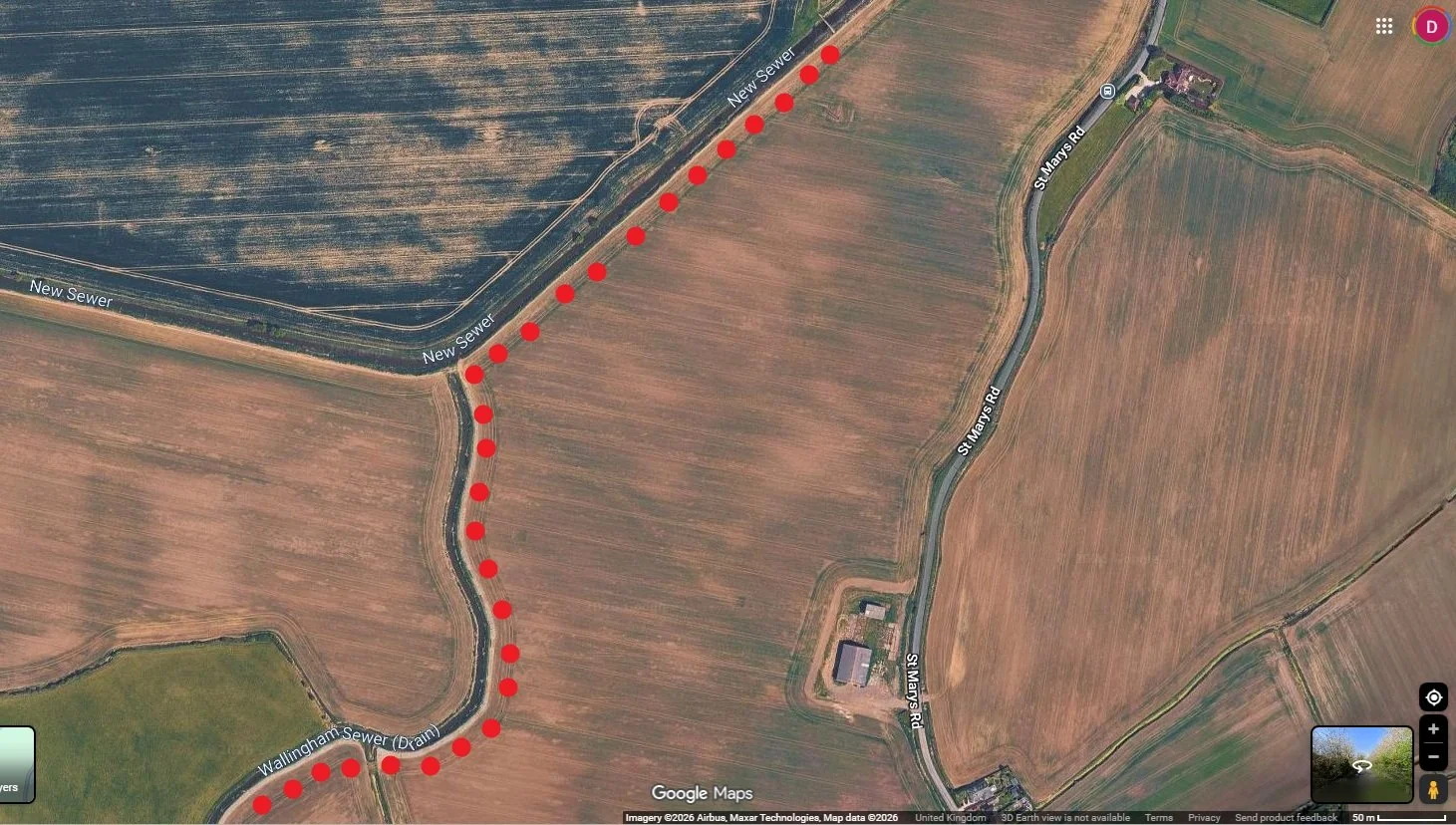
At the junction of the Worlingham Sewer and the New Sewer, bear right and follow the track running north-east alongside the New Sewer.
The path follows the edge of the cultivated field, keeping the New Sewer on your right.
After approximately half a mile you will reach a small wooden footbridge crossing the New Sewer.
Cross this bridge.
This is an important navigation point. If you continue beyond the bridge without crossing, the path eventually emerges onto St Mary's Road, missing the intended route across the marsh.
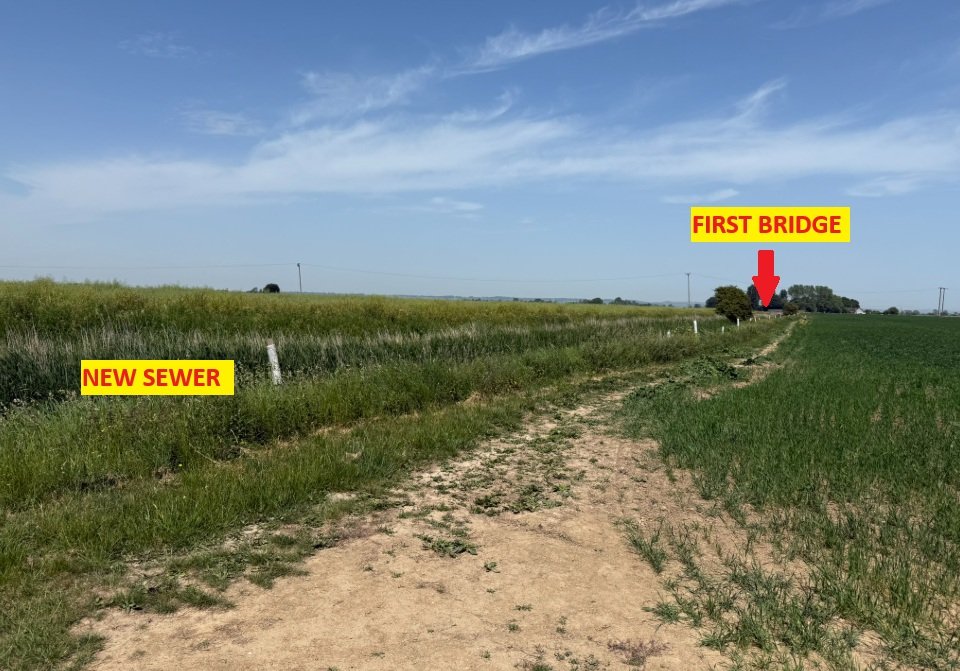
Section 4 – First Footbridge across the fields to the Second Footbridge
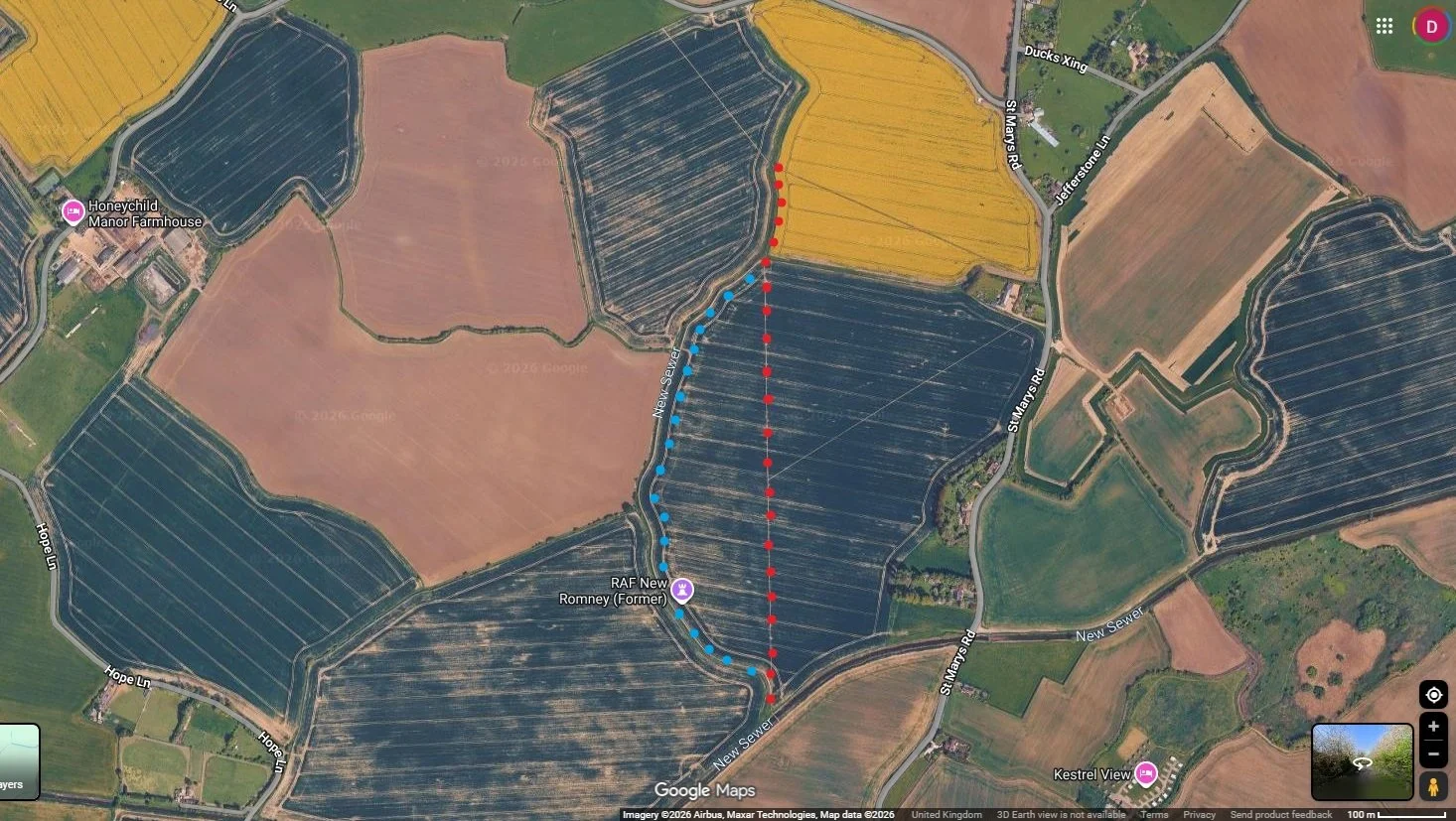
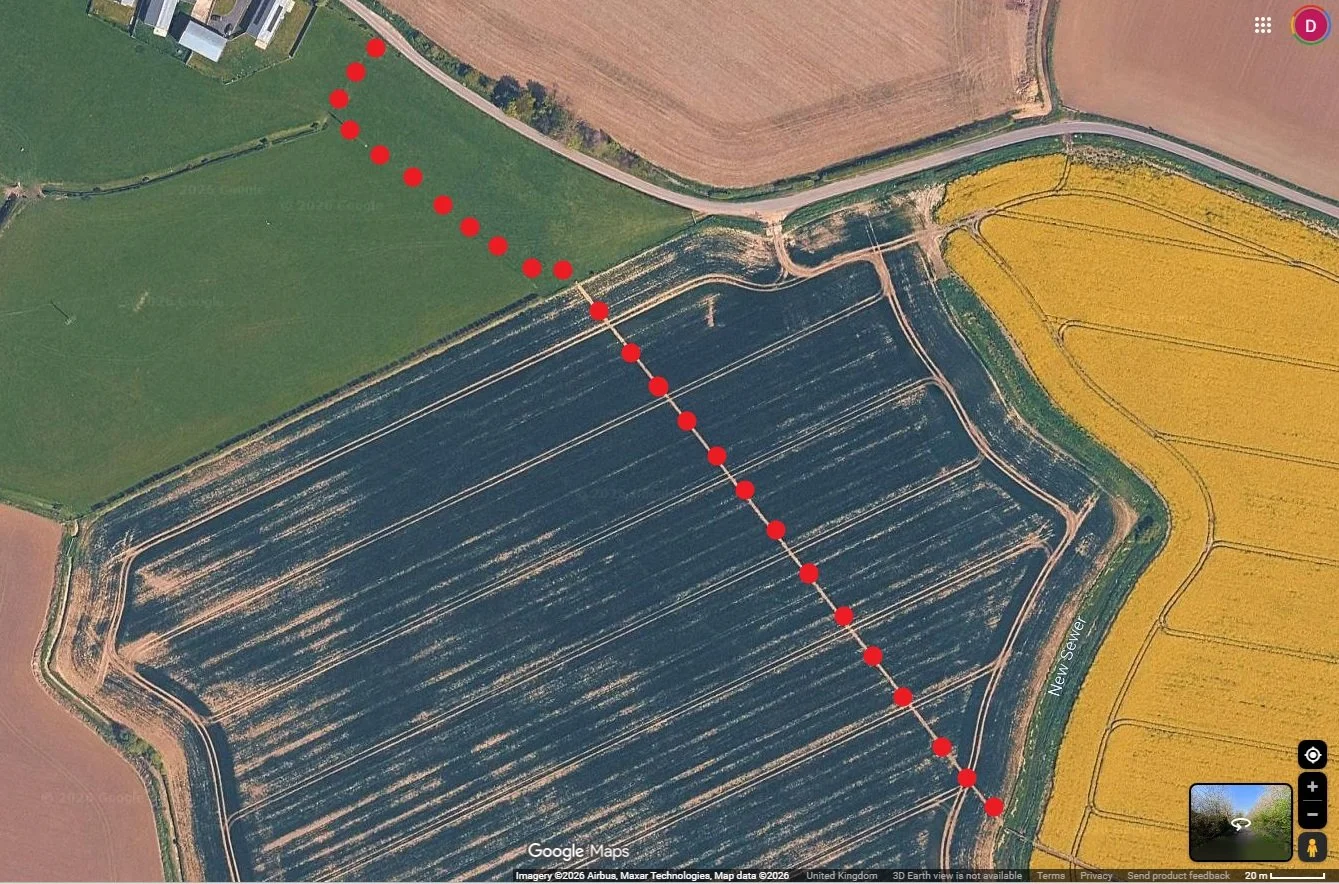
After crossing the first footbridge, continue north-west across the large field.
The route shown on the satellite imagery follows a clear diagonal line across the field towards the far north-west corner. Depending on the season there may be a worn path, but after cultivation the route may be indistinct. Take care around crops in the field.
Aim towards the field corner while keeping the drainage channel to your left.
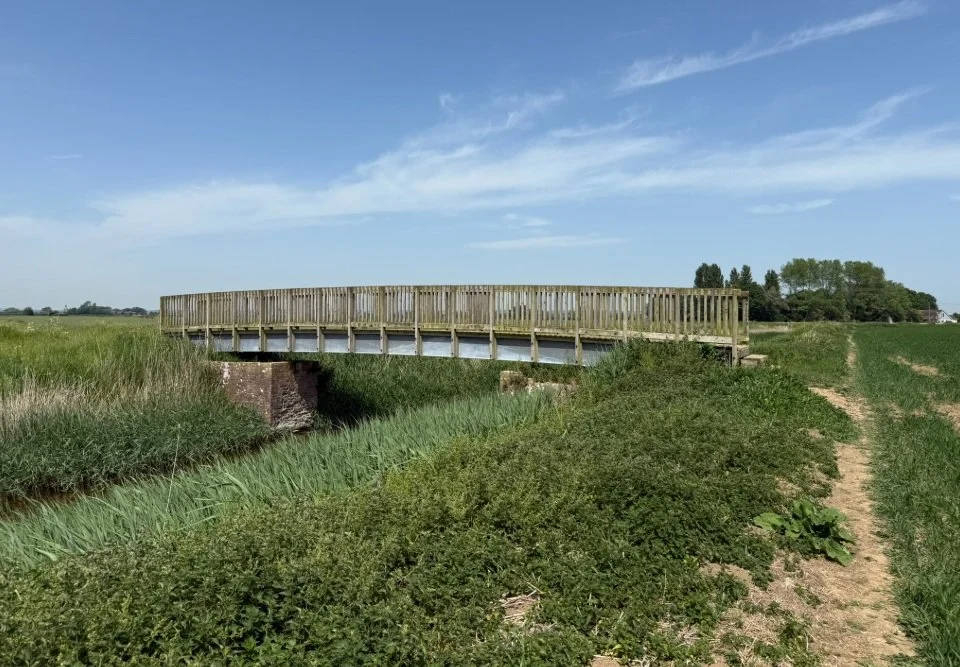
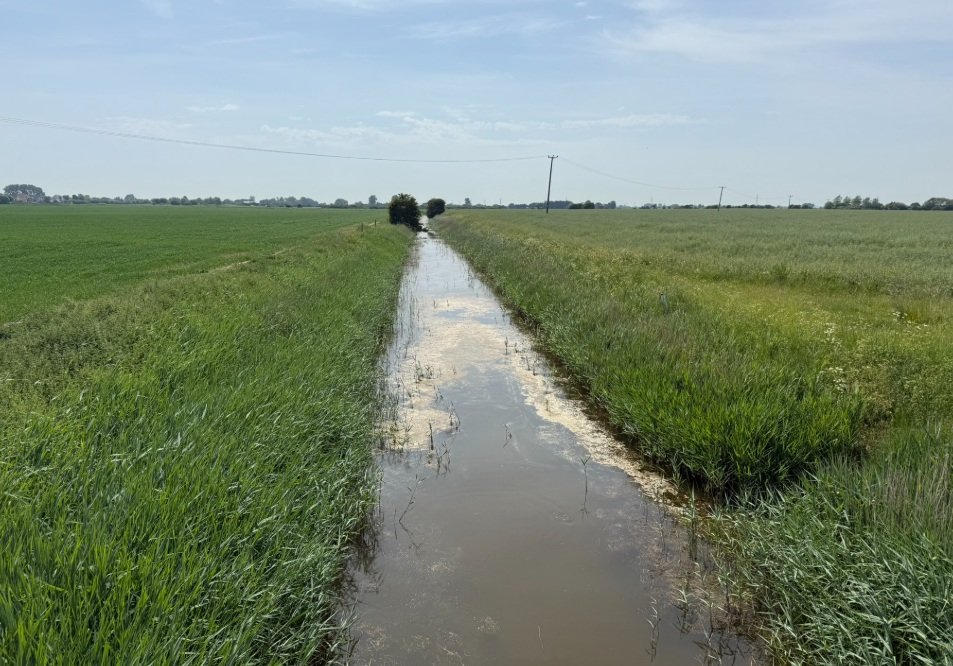
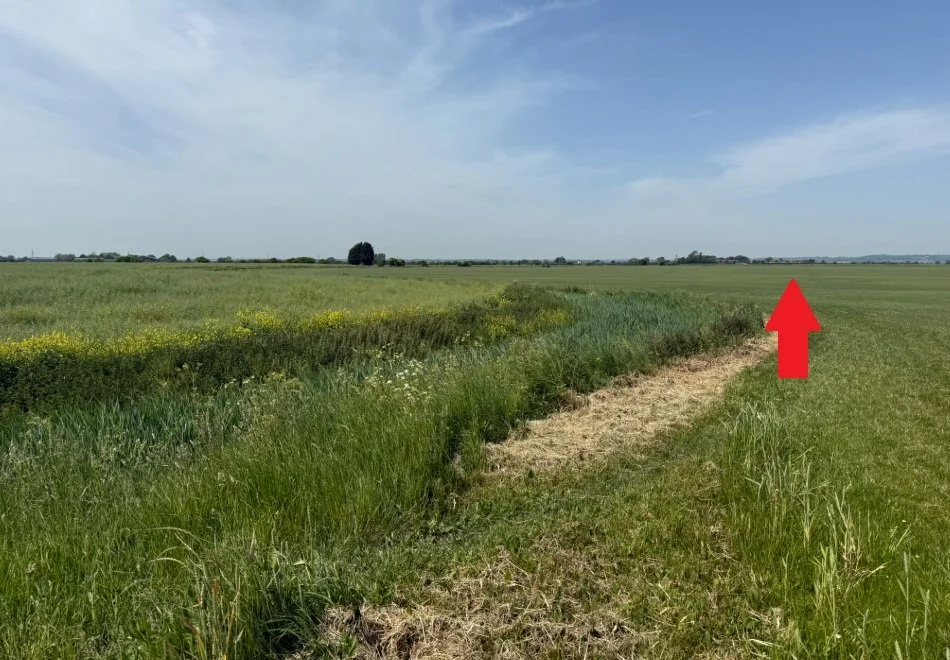
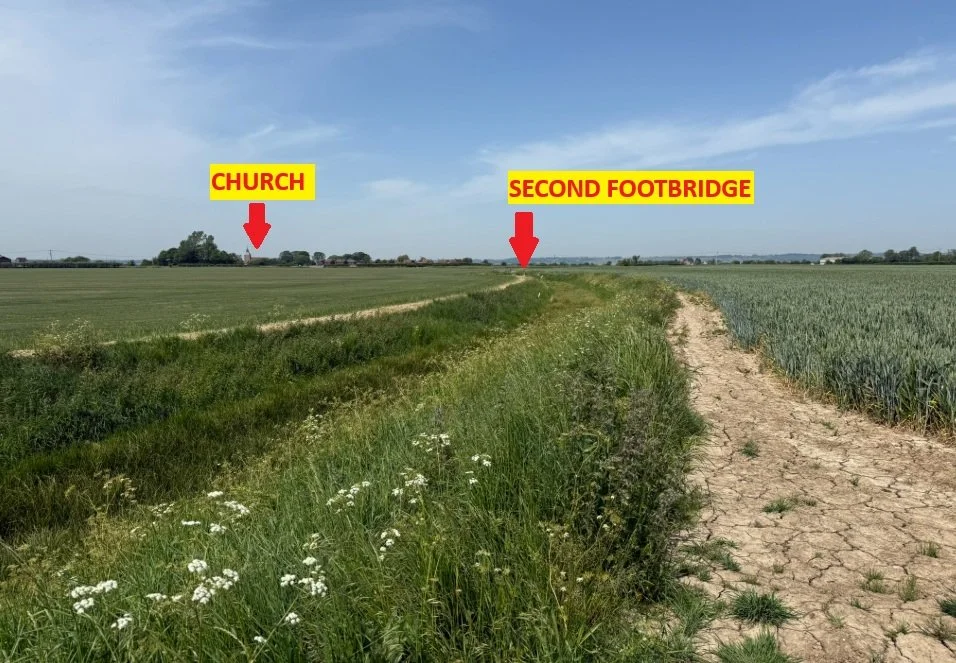
At the far side of the field, do not cross the drainage channel at the first available crossing.
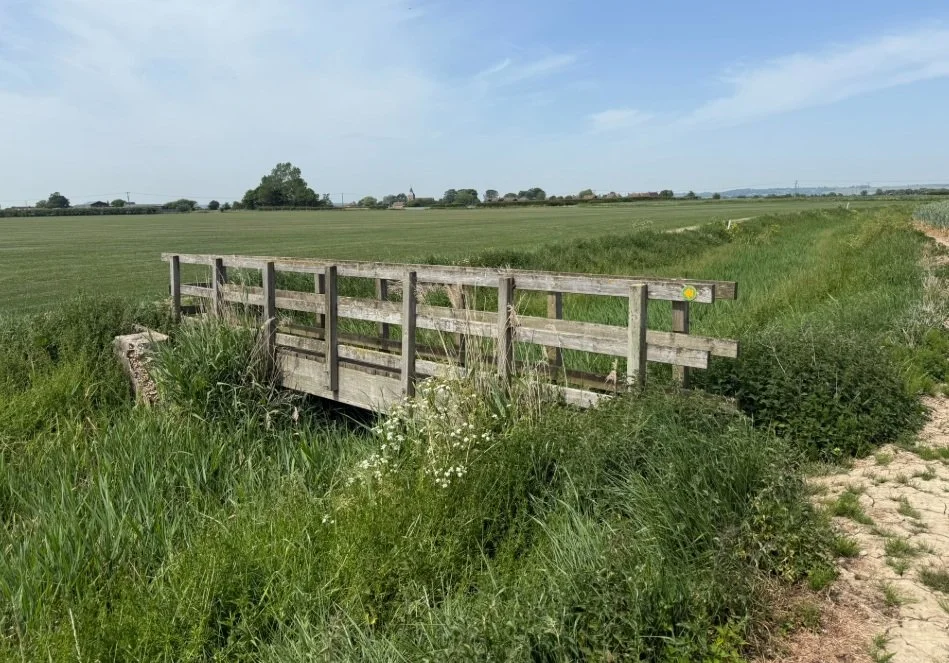
Instead, continue following the field edge with the channel on your left until you reach a second wooden footbridge.
Cross the bridge here.
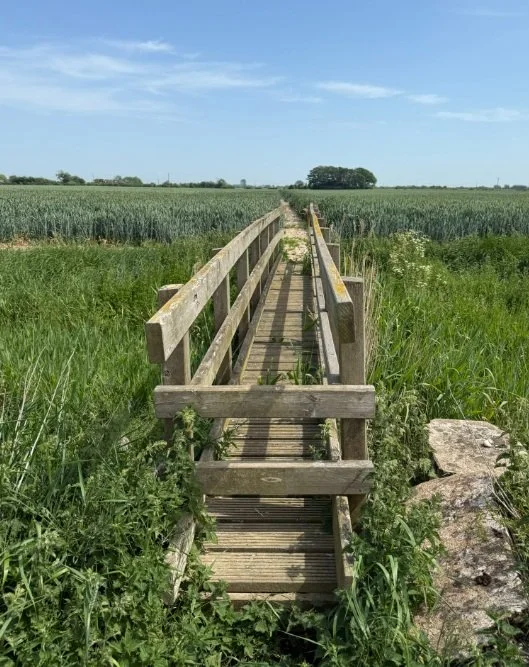
Section 5 – Second Footbridge to School Road
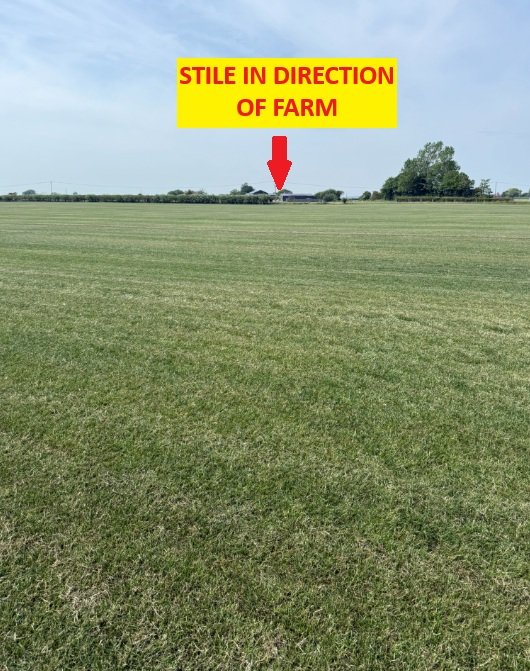
After crossing the second bridge, the church tower should now be clearly visible ahead.
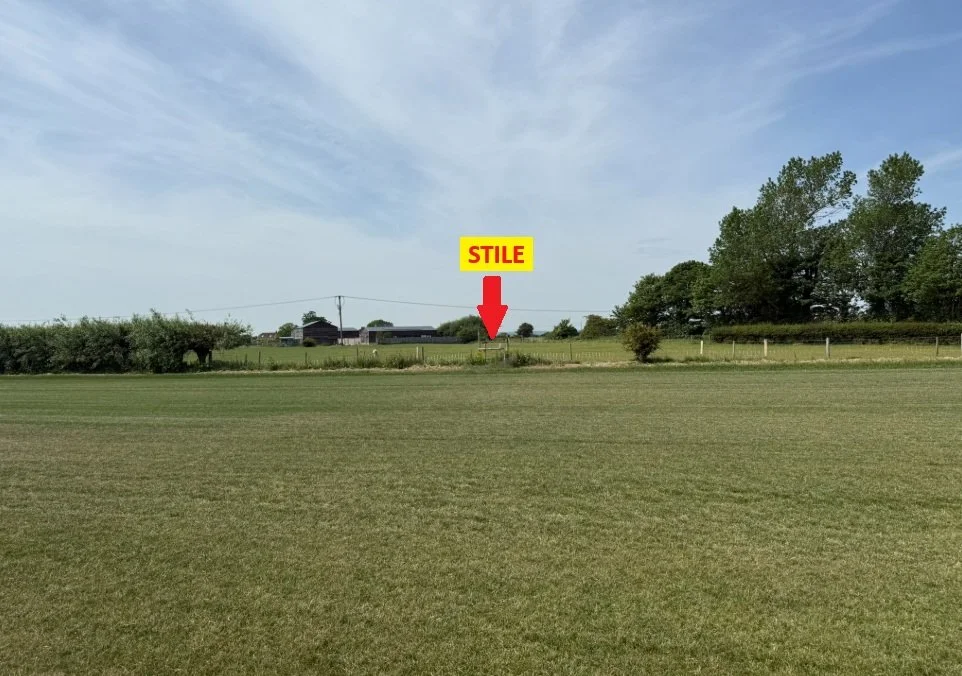
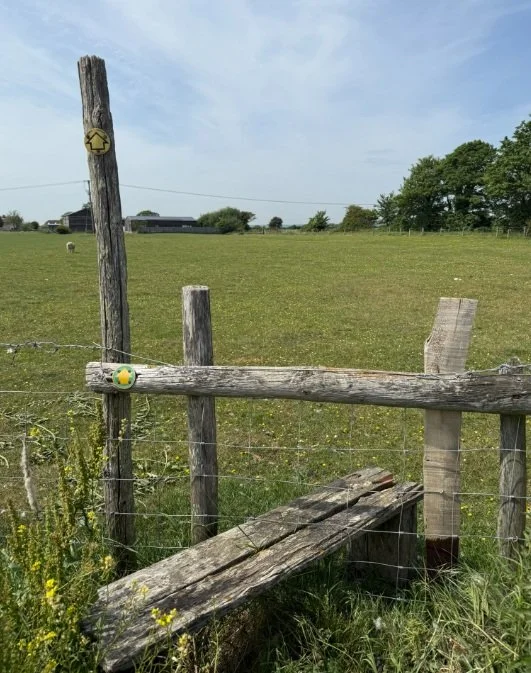
Follow the path diagonally across the field towards School Farm. You do not need to enter the farmyard.
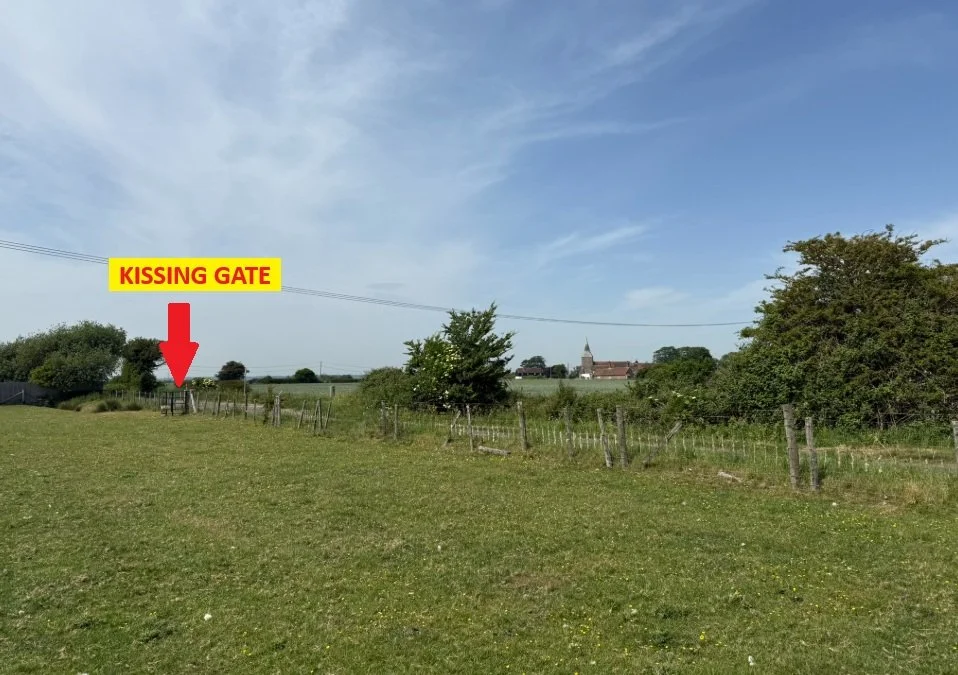
At the far side, cross a stile into a second field, which may contain grazing sheep which should not be disturbed. Continue straight ahead towards a kissing gate visible in the field boundary.
Pass through the kissing gate to reach School Road.
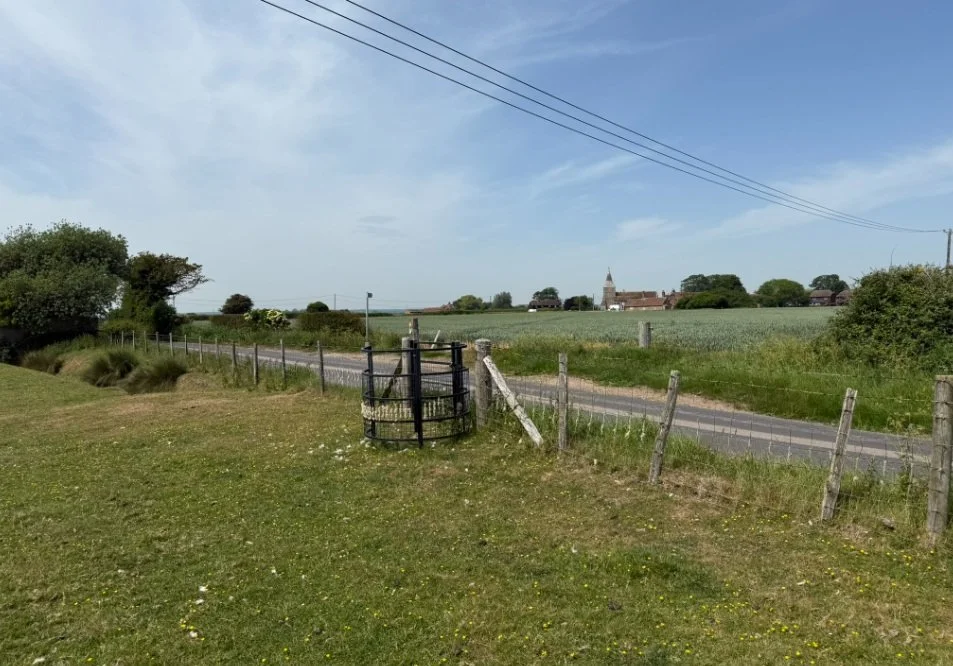
Section 6 – School Road to St Mary in the Marsh

Cross School Road and continue into the final field.
The route runs almost directly towards the village and is usually well marked. Ahead, the tower of St Mary the Virgin serves as an unmistakable landmark.
Cross the field and pass through the final gate to emerge on the village green beside The Star Inn.
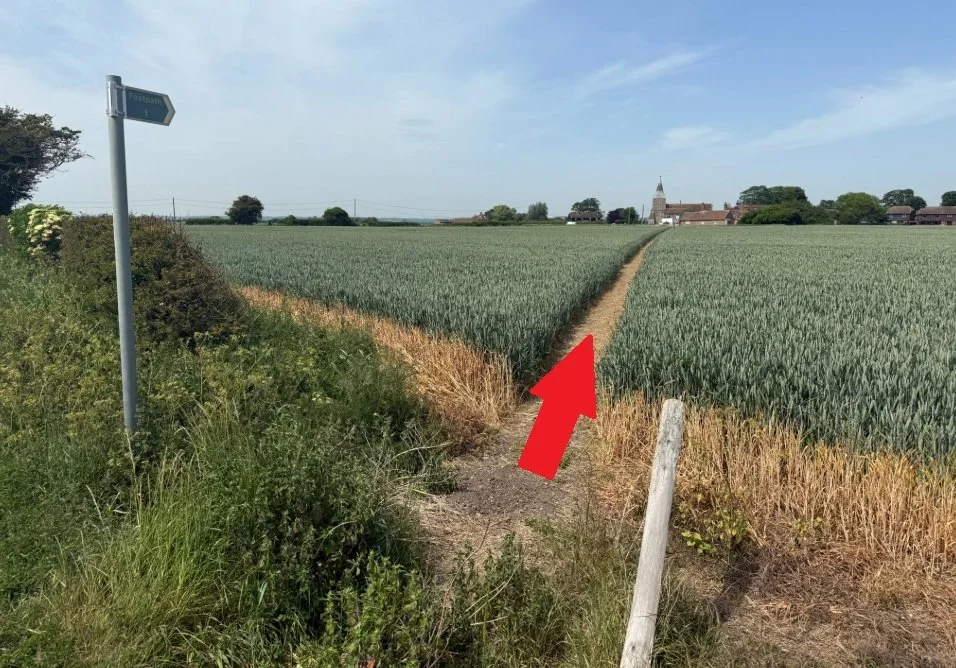
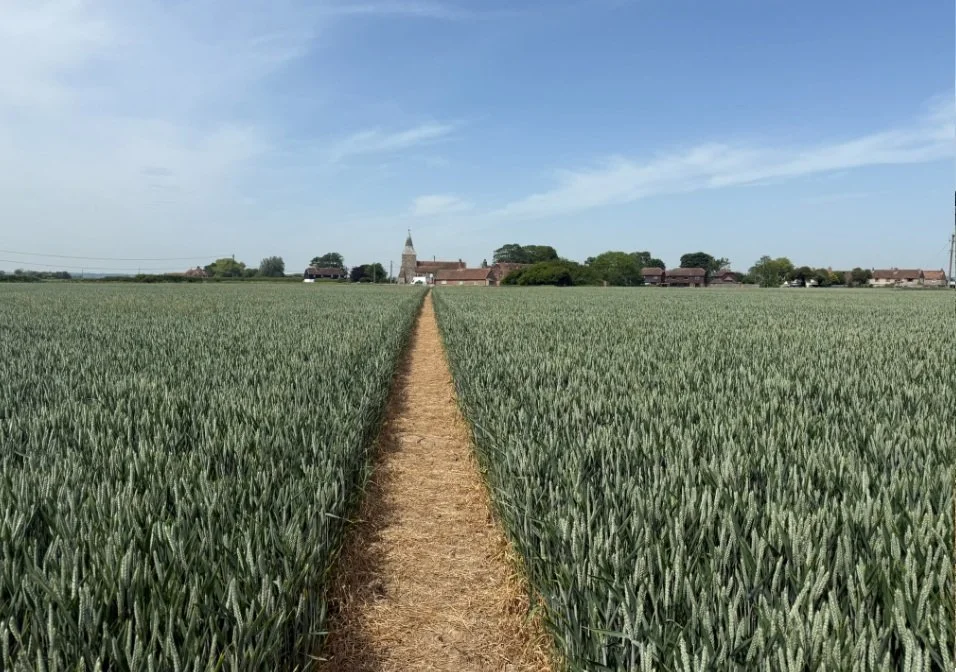
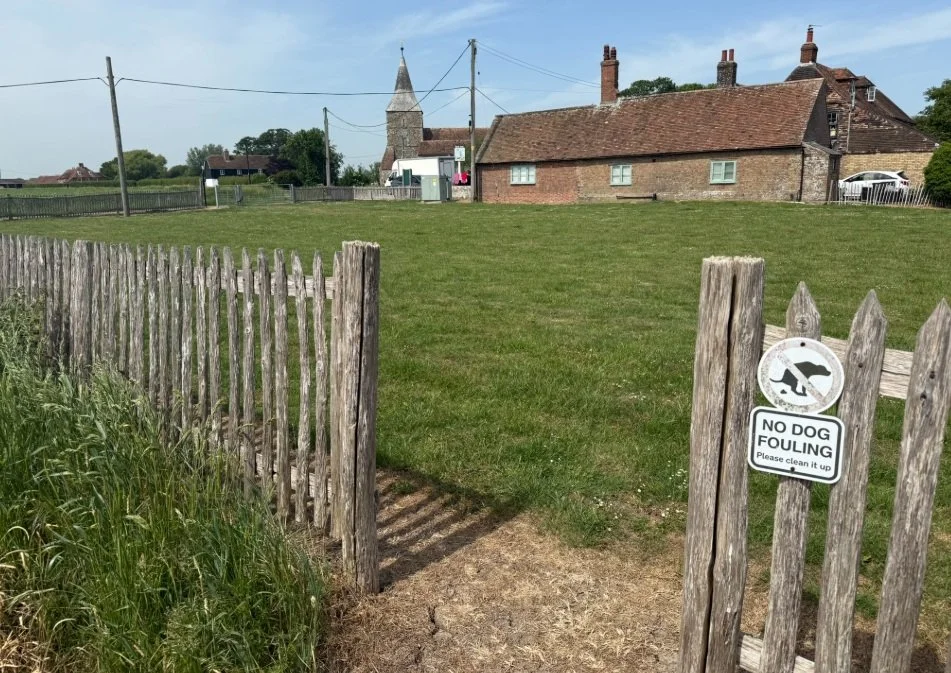
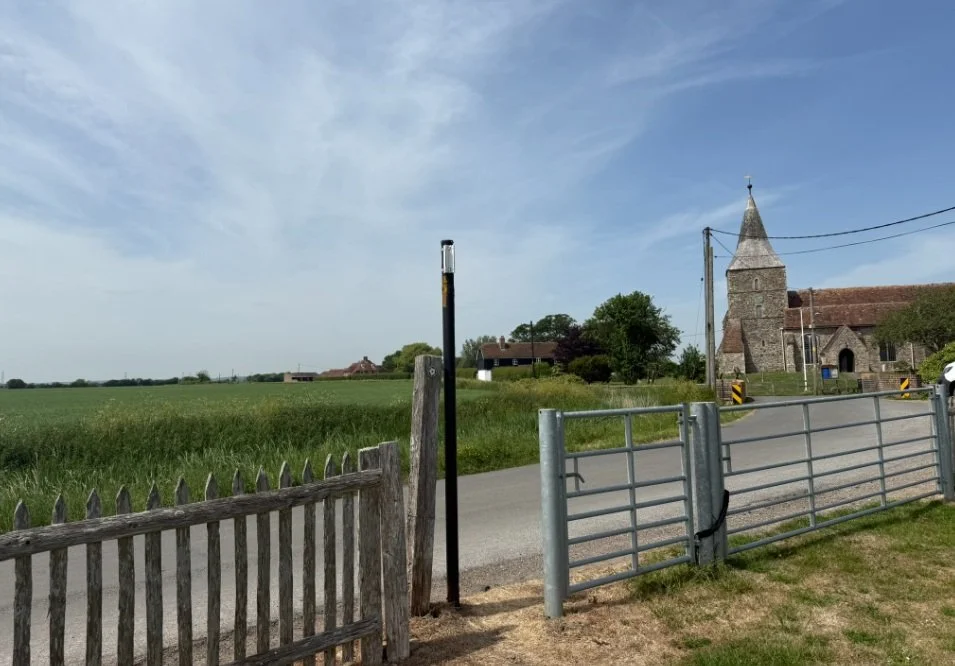
The church stands only a few yards away.
Take time to explore this beautiful medieval church before enjoying refreshments at the Star Inn, whose garden provides one of the finest church-side settings on Romney Marsh.
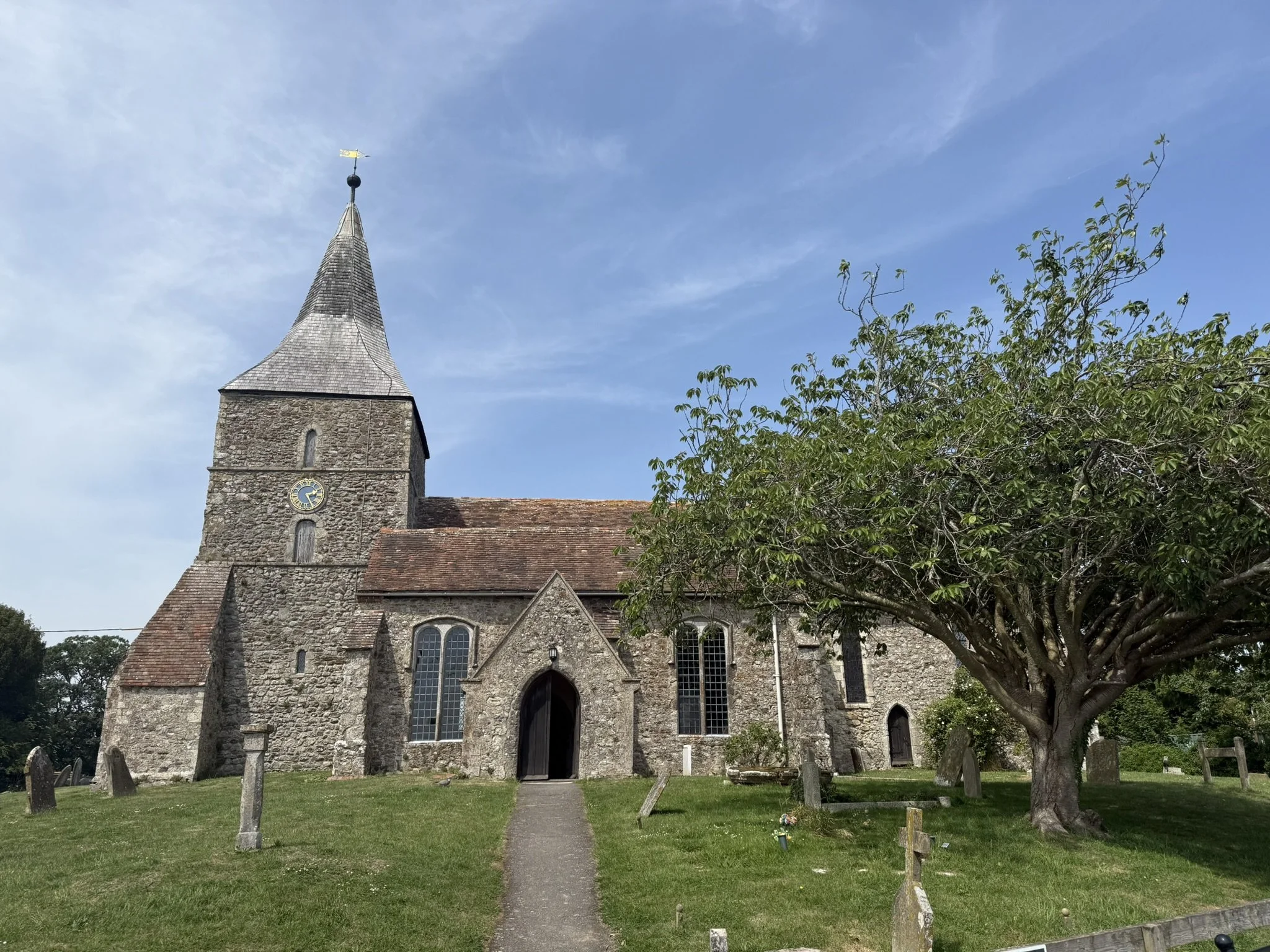
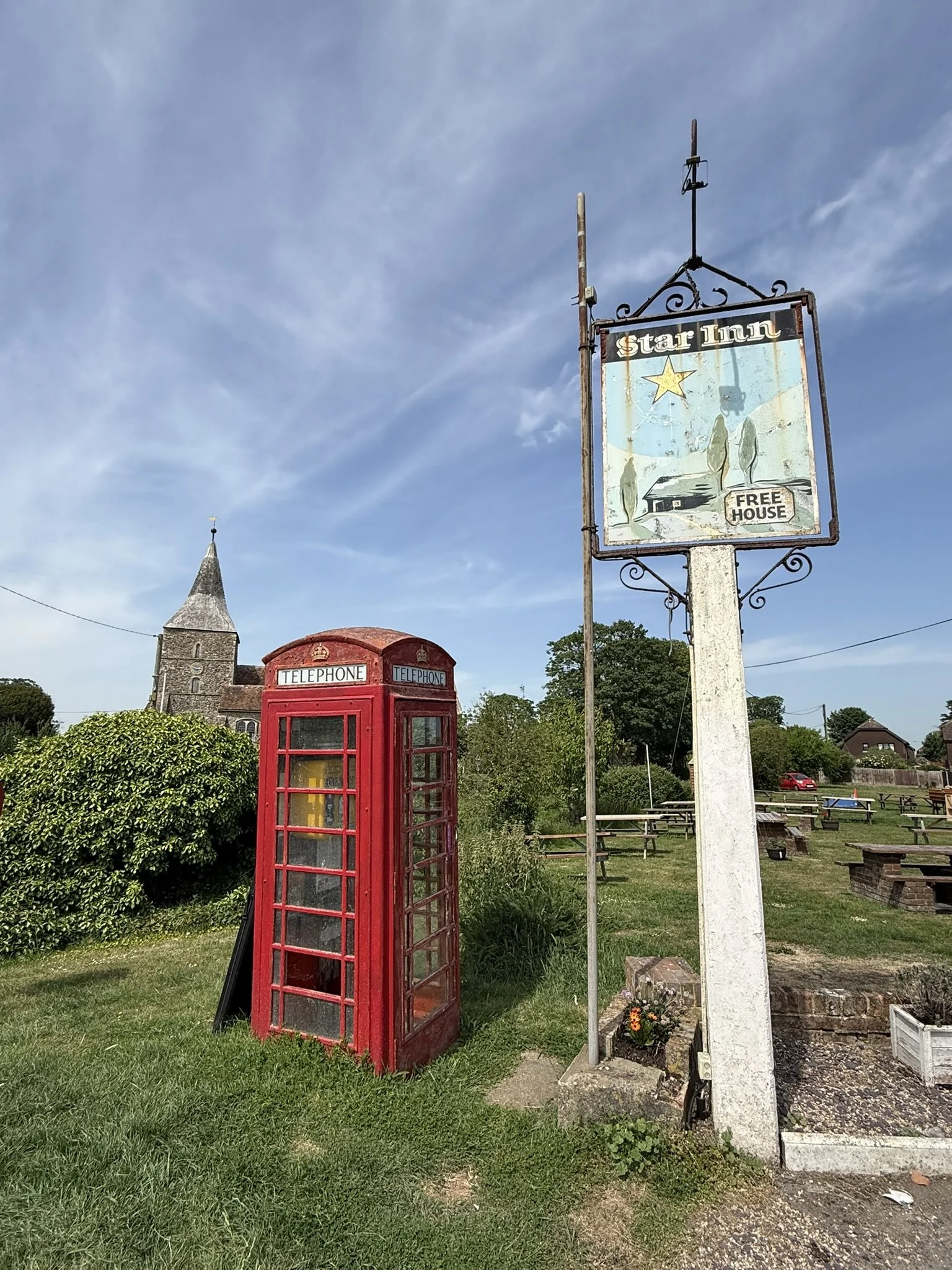
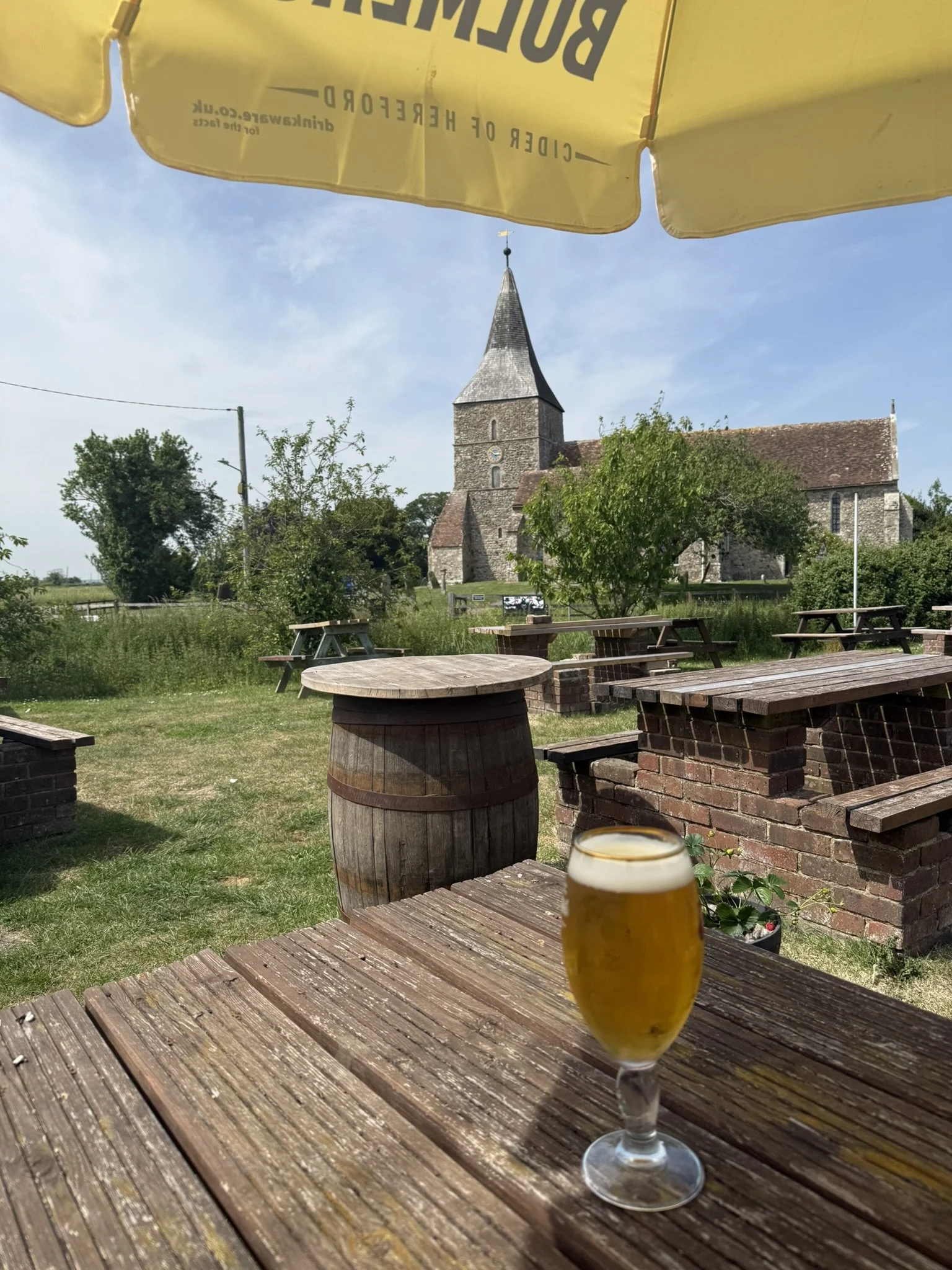
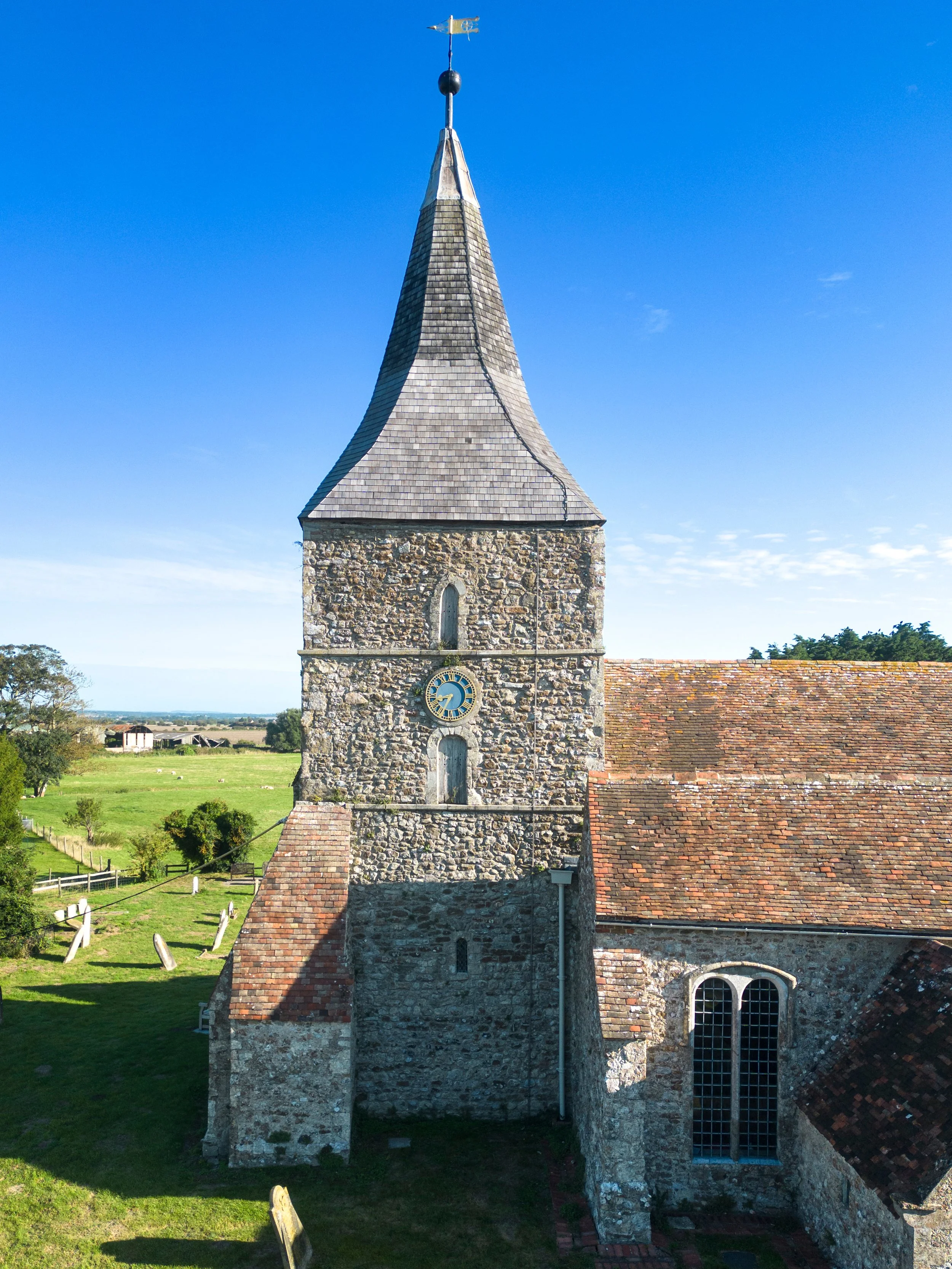
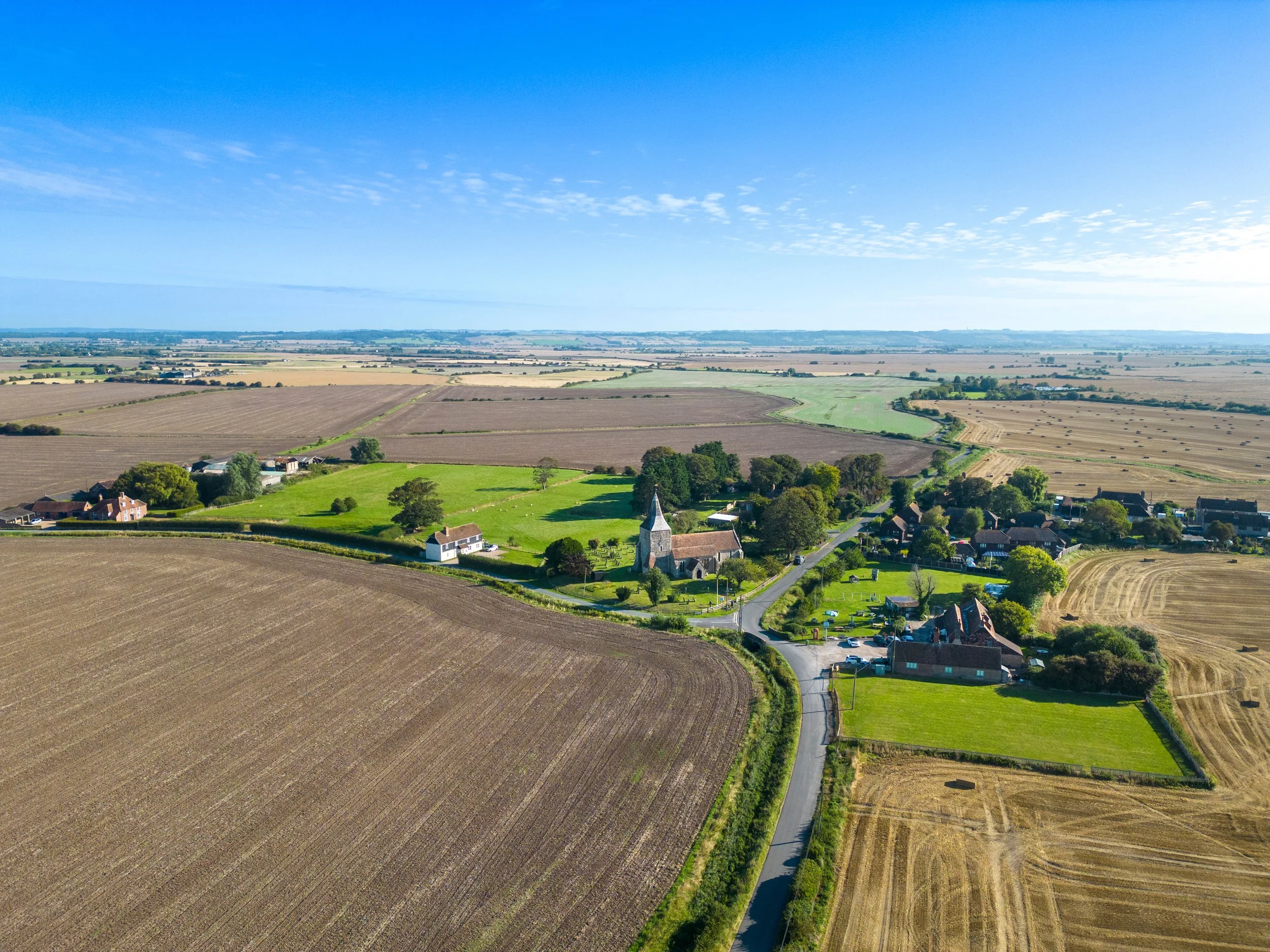
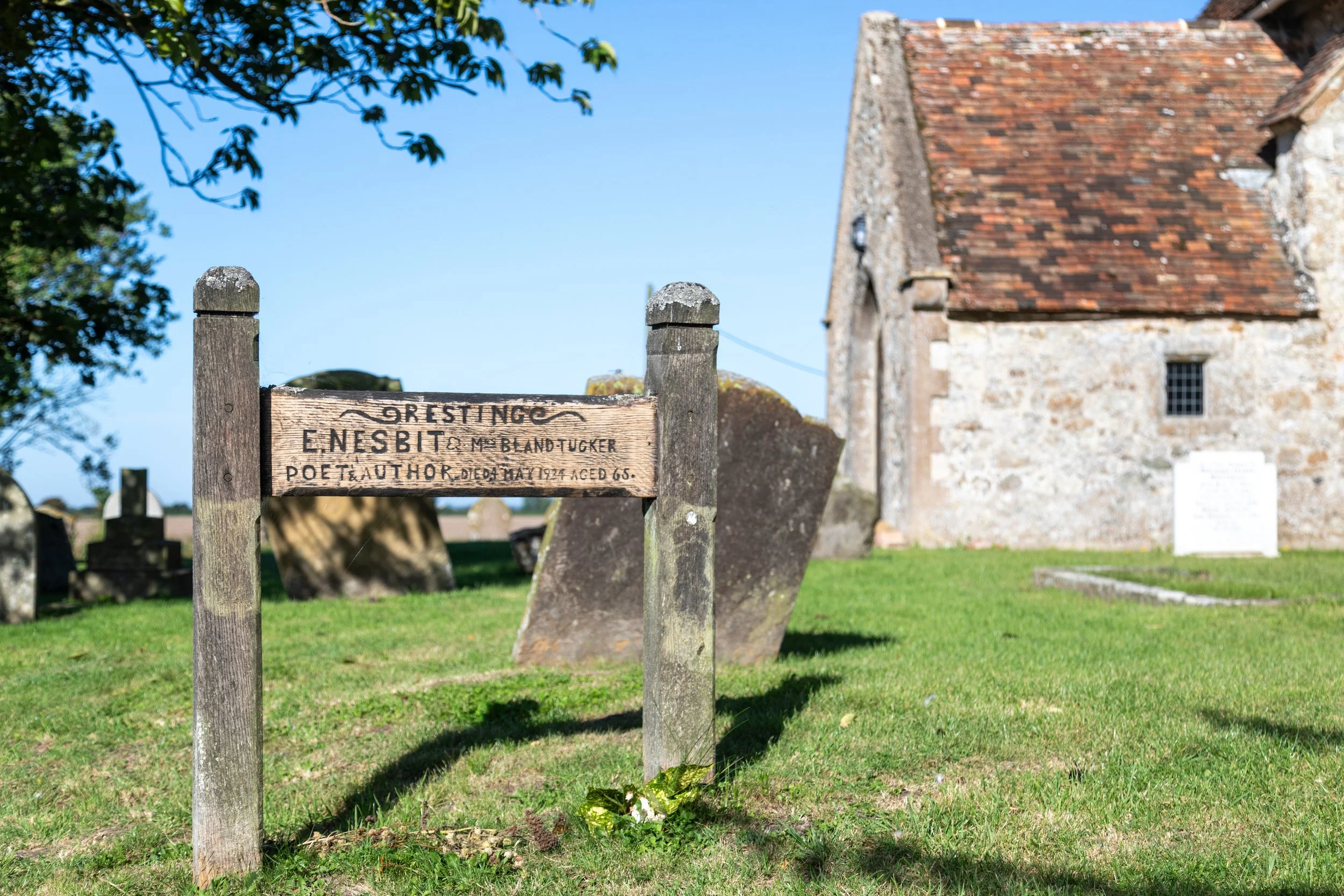
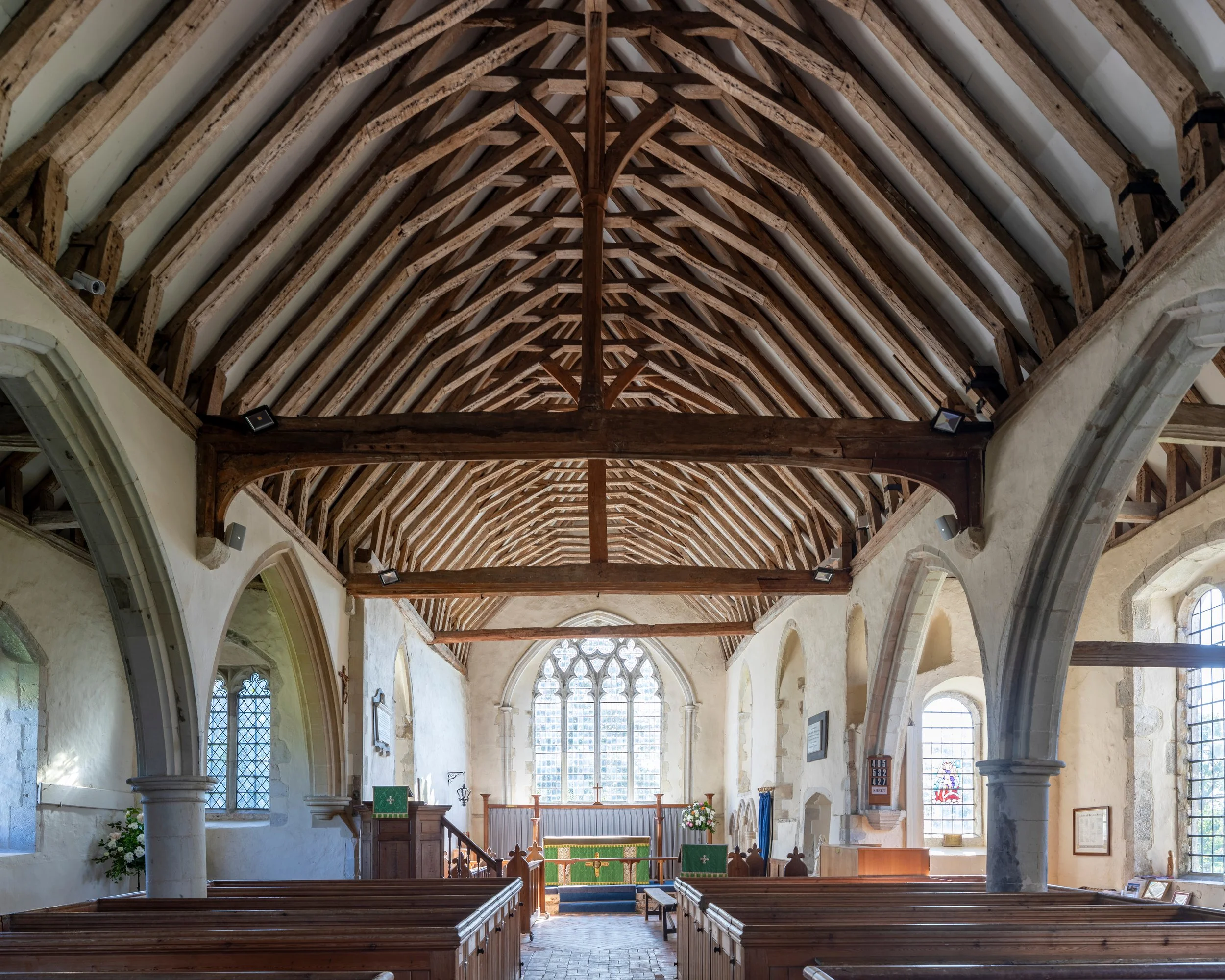
St. Mary the Virgin, St. Mary-in-the-Marsh is one of the most picturesque churches on Romney Marsh, set beside the historic Star Inn in the heart of the village. Dating from the 12th century, it features a fine tower, medieval floor brasses, beautiful stone carvings and the grave of celebrated children's author E. Nesbit, best known for The Railway Children. Surrounded by the tranquil marsh landscape, it is a peaceful and fascinating place to explore. A free audiovisual tour is available here.
Important Information
This walk is undertaken entirely at your own risk. Whilst every effort has been made to ensure the route description is accurate, paths, field conditions and access arrangements may change. Walkers should carry an up-to-date map or GPS device and ensure they remain on designated public rights of way at all times.
Romney Marsh is a working agricultural landscape. Please respect farmers, landowners and local residents. Take particular care when passing through fields containing livestock. Dogs are welcome but must be kept under close control and on a lead wherever livestock are present.
Please follow the Countryside Code:
Leave gates as you find them.
Keep strictly to marked footpaths and rights of way.
Do not disturb livestock or wildlife.
Take all litter home with you.
Do not light fires or barbecues.
There are few facilities along this route, so walkers should carry sufficient drinking water, particularly during warm weather. Mobile phone coverage can be variable in places.
Before setting out, it is sensible to let someone know your planned route and expected return time.
Above all, take time to enjoy the unique landscape, wildlife and historic churches of Romney Marsh while helping to preserve them for future generations.